
Music is the universal language
“Glory to God in the highest heaven, and on earth peace to those on whom his favor rests.” - Luke 2:14
Fretboard Journal


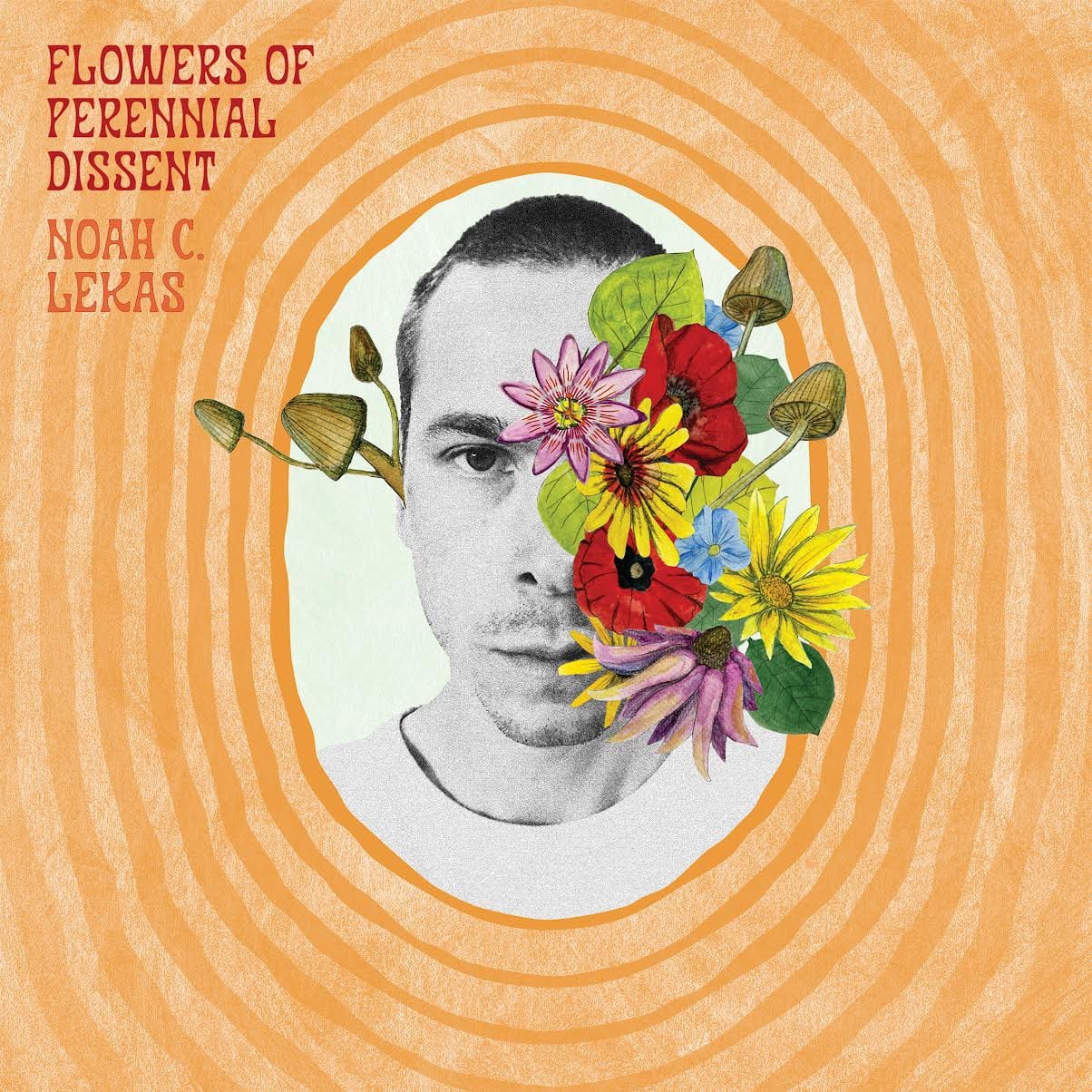
Podcast 567: Noah C. Lekas
This week, we’re talking to Noah C. Lekas, one of the Fretboard Journal’s longstanding contributors.
Over the years, Noah has profiled a variety of subjects for our magazine, from blues legend Hubert Sumlin to luthier Matt Eich of Mule Resophonics. Today, we’re sharing this Colorado-based writer/musician’s own journey: His near-fatal illness, the psychedelic therapy that helped save him, and the album that he just released to document the ordeal, ‘Flowers of Perennial Dissent.’ The spoken word and guitar project features guests such as Luther Dickinson (North Mississippi Allstars) and folk artist Charlie Parr.
All told, it’s a deep chat about the human condition, finding your why, gratitude, and so much more. We hope you like it.
Follow Noah here. Get the record here: https://www.blindowlrecords.com/products/noah-c-lekas-flowers-of-perennial-dissent
Subscribe to the Fretboard Journal’s quarterly print magazine. Issue 61 is about to be mailed to all subscribers: https://shop.fretboardjournal.com/products/fretboard-journal-annual-subscription
We are brought to you by Peghead Nation: https://www.pegheadnation.com
(Get your first month free or $20 off any annual subscription with the promo code FRETBOARD at checkout).
We are also brought to you by Mike & Mike’s Guitar Bar: https://mmguitarbar.com, located in Seattle, Washington.


The post Podcast 567: Noah C. Lekas first appeared on Fretboard Journal.
Wintergrass Sessions: The Jordan Tice Trio
The Jordan Tice Trio – Jordan Tice, Patrick McGonigle, and Alan Mackie – perform three songs at Wintergrass 2026: “Don’t Know Why I’m Going Into Town,” “Matter of Time,” and “Find A Way from Here.”
We also asked the trio about the instruments used on this session.
Register now for Wintergrass 2027. The lineup in 2027 will include Sierra Hull, Jerry Douglas Band, East Nash Grass and other bluegrass favorites.
Video by Brad Wagner, audio by Juan M Soria.
We’ll be sharing more highlights from Wintergrass 2026 on a weekly basis here and on our YouTube channel.
The post Wintergrass Sessions: The Jordan Tice Trio first appeared on Fretboard Journal.
Revisiting ‘World’s Fair’ with Julian Lage
“One can hear so many of the sounds and feel so many of the feelings that, moving forward so steadily and so eloquently (and successfully), I identify as Julian. His ability to uplift as well as astonish are fully in evidence on World’s Fair; unvarnished and direct, stunningly beautiful while eschewing sheen or artifice of any sort.” –Nels Cline
Reflecting on World’s Fair, his remarkable solo acoustic record from 2015, Julian Lage remarks, “I’ve had the great luxury and privilege to see it change over the last decade, and see certain things revealed.” It’s an album that has acquired beloved status for those of us who worship at the altar of acoustic guitar. Matt Munisteri, who co-produced World’s Fair, was presciently on-mark when he wrote in the original sleeve notes that “this music will cast a long shadow across an ever-widening terrain.”
World’s Fair was an important staging post in Lage’s career. Known for his collaborations with Chris Eldridge, Nels Cline, and Fred Hirsch, it was his first studio foray into solo acoustic. As Julian intimates in his foreword to the World’s Fair Songbook (link), the experience fundamentally changed his relationship with the acoustic guitar. “[It] taught me how rare and beautiful it is to hear a single guitar in all its spaciousness, delicacy, and elegance–and how I could begin to navigate space and time in ways that wouldn’t be as obvious in a group setting.”
The plan was to meet up in Melbourne during the Australian leg of the World’s Fair 10th anniversary tour for a retrospectively-slanted conversation centered on the record. In the end, Julian’s promo commitments and a crazy-tight travel schedule torpedoed an in-person interview and we reconvened on Zoom a few weeks later.
At home in New York, his circadian rhythm restored to Eastern Standard Time, straight off the bat Julian is his customary super-engaged, friendly, relaxed self. A few seconds into our call, he breaks off apologetically to attend to their new puppy who on hearing Julian’s voice has woken up and soft-paw scrabbled to his feet. With pup safely secured in his pen, we settle down to talk. Over the next half-hour we alight on vulnerabilities, narrative arcs, Segovia, noise floor, and how one instrument can carry a complete musical statement… and a new favorite acoustic guitar with vintage vibes.
FJ: In Melbourne, you prefaced the performance by describing it as a Book of Music. The expression would seem to encapsulate World’s Fair perfectly–a musical narrative of pages, sentences and phrases told through rhythm, silence and touch.
JL: Well, I grew up hearing that term. [John] Zorn uses that term because it quite literally amounts to a book of pages if you take all the charts and everything. I have a tendency for a sense of cohesion when it comes to songs for a recording. World’s Fair is very specific, you know? It’s about the specific agenda in a specific world of drama, if you will. In playing it over the years, I realized like, oh yeah, this was music that was meant to be together. So, it’s definitely with a sense of intention that I’d announce and think of it that way.
FJ: The running order on the record unfolds perfectly, nothing is out of place.
JL: You know, we’re all students of music, and there are as many ways to put a record of music together as there are people. Yet there seems to be these through-lines that I keep coming back to about arc and withholding certain things, especially with solo guitar. Maybe being conscientious not to do everything you’re capable of right away, you know? Or letting things have their moment or at least serve a function dramatically. Compared to having one song and the next song is basically the same song and so on. But that can be cool too. It doesn’t really matter. World’s Fair has become its own entity, which is nice, at least from a narrative point of view.
FJ: The foreword to the World’s Fair Songbook hints at some vulnerabilities in approaching solo guitar?
JL: Yeah, that’s true. At the time, it was so novel. It’s still novel to me. I think having not really done concerts and making a record presented some cool challenges. It was absolutely terrifying, you know. But I liked that part about it. I really did. I don’t know if I view it as terrifying in the same way now, but it’s rather illuminating. Wherever you are in your guitar playing. And that trip to Australia was no different. I thought, oh, this is where this music is now, cool, and then it’s somewhere else a week later. So, there’s something that might be a little more… I don’t want to say exposed because we’re always pretty equally exposed whether we’re alone or with a band… but it’s a nice snapshot of a lot of elements coming through one guitar. Where someone is personally, musically, “guitaristically,” physically, emotionally on display.
FJ: I understand Segovia and Barros were big influences?
JL: Yeah, well, those influences they’re huge in my life, not only for solo guitar, but for performance and composition. But absolutely, through the lens of solo guitar, the question remains the same: What’s so compelling about a single instrument and a single voice? In making World’s Fair, I had it backwards. I really did believe I had maybe a poor mentality, thinking that I needed to do more to make up for this lack of people around me playing. And when I did that, it garnered a very particular sound and results. I was able to reflect and go, no, this is one of the few times where you can actually be quite vulnerable and leave space. But not to conflate that individual nature with weakness or any sense of lacking.
In a way it’s a mindset shift, isn’t it? Under the scrutiny of a microphone, your things that might otherwise feel rather transient become a big deal. In relation to Segovia, those early recordings of his had a lot of noise in the recording, unrelated to his playing. In the electricity and the noise floor, so to speak. So, we have some of that on the record deliberately to contextualize the guitar. Rather than saying, “Well, get a perfect guitar sound, pure and beautiful, and that’s all that matters.” That maybe left us feeling a little bit cold. Things like reverbs, the sounds I involuntary make while I’m playing, the noise floor of the microphone… they all add up to something.
FJ: Can you talk about the role of Matt Munisteri and Armand Hirsch in achieving the intimate sonic footprint on World’s Fair?
JL: Absolutely. Armand Hirsch is one of the most brilliant musicians and, at that point, we were around each other all the time. It was a real privilege because that record could unfold over time, and he had that superpower of translating the evolution of the process into a sonic medium. He was no stranger to what the songs were, how far they had come, what we thought was possible… it was deeply integral. And Matt Munisteri too. He was looking at it from a more globalized conceptual point of view… knowing my playing, what would stand out, what would be cool to feature, what hasn’t been documented? So, you’re absolutely right. The conversation was consistent.
FJ: What are two lessons you took away from the making of World’s Fair in the context of what you’ve gone on to do over the last decade?
JL: It’s a great question. Well, I’d say one of the lessons would be that having heard myself recording and playing that music, it’s such a humbling reminder that the sound of a guitar is enough. You know that’s quite miraculous, a machine that makes sound and resonates. And like everything in life, you keep getting reminded it’s not about us. It’s not about I had a great idea and I did this. It’s not that. Making World’s Fair taught me that there’s a high degree of humility needed. You serve the music, serve the instrument, serve the resonance of the room you’re in to the best of your ability.
The second part of that lesson is that over the years, having played it live, that music was very much at its beginning stage by the time we recorded it. It’s only gone on to grow and I’ve learned a lot from it. It’s almost cliché, but that common notion that a recording is really a snapshot, and then it’s different the next time. I still love the original, but I like that it wasn’t limited to that recording. It was that music got me into playing, taking that role seriously and I’m grateful for that. I don’t know if I’d have taken it seriously unless I started with a higher stakes project like that.
FJ: The compositions on World’s Fair are infused with such humanity. In “40’s”, there’s an ascending chordal move–Gmaj13, Em11, Am11. Beautifully expressive, uplifting, transcendent, curious, slightly melancholic… I tried it out yesterday and it left me in a great headspace!
JL: That’s great you did that. That’s what it’s there for, you know. Suddenly you go, ‘oh, that’s a thing!’ and then you do what you want with it.
FJ: Reminds me of free-jazz drummer Cecil Taylor’s comment about great artists… rather than getting involved with discipline, they get to understand love and allow the love to take shape!
JL: Jeez, man, it’s amazing. It’s so fun. The fact it’s solo guitar really doesn’t matter. Of course, it’s part of the message and it’s the medium, but it’s not the point. When I listen to the masters, whether it be Julian Bream, Segovia, or Leo Kottke, I’m struck with that too. I grew up thinking it was one thing about the guitar, but then I have even more respect and humility when I listen to those players because I go, wow, they are really transcending the guitar. The thing that’s moving it is their sense of storytelling, and that’s a fabulous thing to shoot for.
FJ: You’re known for your kinesthetic approach to playing… shifting hands and feet, small vocalizations, facial expressions, and whole-body movement. It’s compelling to watch.
JL: You go in thinking this is one person playing music, but one person is full of so much stuff, you know. There’s really no such thing as seeing just one element at play, and I felt that on that tour. Melbourne happened to be in a beautiful hall, and that was a character. Look at this big room, sounds great, and then there’s this one person playing guitar. We went on to other shows that were far more challenging because they weren’t proper concert venues. You don’t have the scale and it’s a different kind of intensity. It’s one of the beautiful things playing solo. I’ve had the joy of seeing the juxtaposition, and typically a concert hall is a really nice place for it.
FJ: I’m intrigued by your choice of song titles on the record. It reads like a travel log–“Peru,” “Japan,” “Missouri,” “Ryland”…! Were those songs written in the lead-up to the record or had they been in your back pocket?
JL: No. Those were very much written for that record and it’s true, there’s something about those titles that are interpretive. It’s what you feel about it and you bring those feelings to the table. But there’s a neutrality about some of those names, for whatever reason, they seemed appropriate. “Japan” seemed appropriate, but it didn’t have to be called “Japan.” Then you have “Missouri.” They’re setting a certain geographical stance. Again, that may be neither here nor there, but it’s interesting. I remember talking to my father about this years ago. Names take on meaning when they fuse with compositions and sometimes they have to strike a balance of being compelling and neutral at the same time. My favorite titles are the musicians who understand that poetry. Those are the ones that stand out to me. You go, wow, they really got me into a place. But it’s very personal. I have to play, name things, give them titles that you can get away with that match your disposition. I appreciate you picking up on that because it does matter to me.
FJ: A personal favorite is “747.” At first you think, “Oh, that’s the airliner!” But turns out you named the song after a Swingline stapler. Super-playful.
JL: Well, numbers are words, you know.
FJ: Can we talk about your signature Collings OM1-JL, which is based on the 1939 000-18 you play on World’s Fair? Nully from Collings recalls working on the neck spec back in the day when Bill was still around. They’d line up the neck options, each with a different half-inch strip infill (maple, carbon fiber, spring steel, and ebony) for you to try out? You’d play the guitar, make notes and their set-up guy would swap out the neck for the next one?
JL: That project was complicated! The whole time I was keenly aware that they didn’t have to do this. I was essentially coming to Bill excited to be working with Bill, and Nully, Mark, Bruce, Clint, and Aaron. I came with a deep reverence for what they already did. By the same token, I was challenging them. What if we don’t have a guitar that’s high gloss? What if you have thinner top woods? What if the necks aren’t reinforced in this certain way?
I proceeded with caution because I knew everything I asked for was contradicting what they had built their company on. Fortunately, Bill was eager to see something from a different perspective, and the premise of that conversation was that the Waterloos were sounding so great. Whatever you’re doing here is working.
There’s a parallel in the world of Martin-style guitars, even though they’re not built the same way. They certainly benefit from some of the same features in terms of finish, weight, density of wood, the thickness and thinness of wood. They went through a lot of guitars and quite frankly, we got to a point where it didn’t seem like it was going to happen. Then somebody came in and basically said, ‘This is the combination of body neck you’re looking at,” and it was really wonderful. Guitar builders aren’t just guitar builders. They’re interacting with where they get their wood, who’s cutting their wood, what materials they have at their disposal. You have to fit into their ecosystem. They were at a point where they had the bandwidth to consider something different.
FJ: After all the experimentation, it turned out the neck you all liked best was the one Collings still use today: No internals other than the rod. Nully says it’s exactly this sort of mess-around project where you learn so much by confirming what you know and stuff you don’t.
How’s the 000-18 faring these days?
JL: I still have it. It’s been in disrepair for many years. The top was sinking at a certain point, so I put it away with the tension off and I’ve left it with a friend to fix. But I did have it up and running briefly, maybe a year and a half ago, and I tried and liked it. It made sense as a recording guitar but live it didn’t quite make sense.
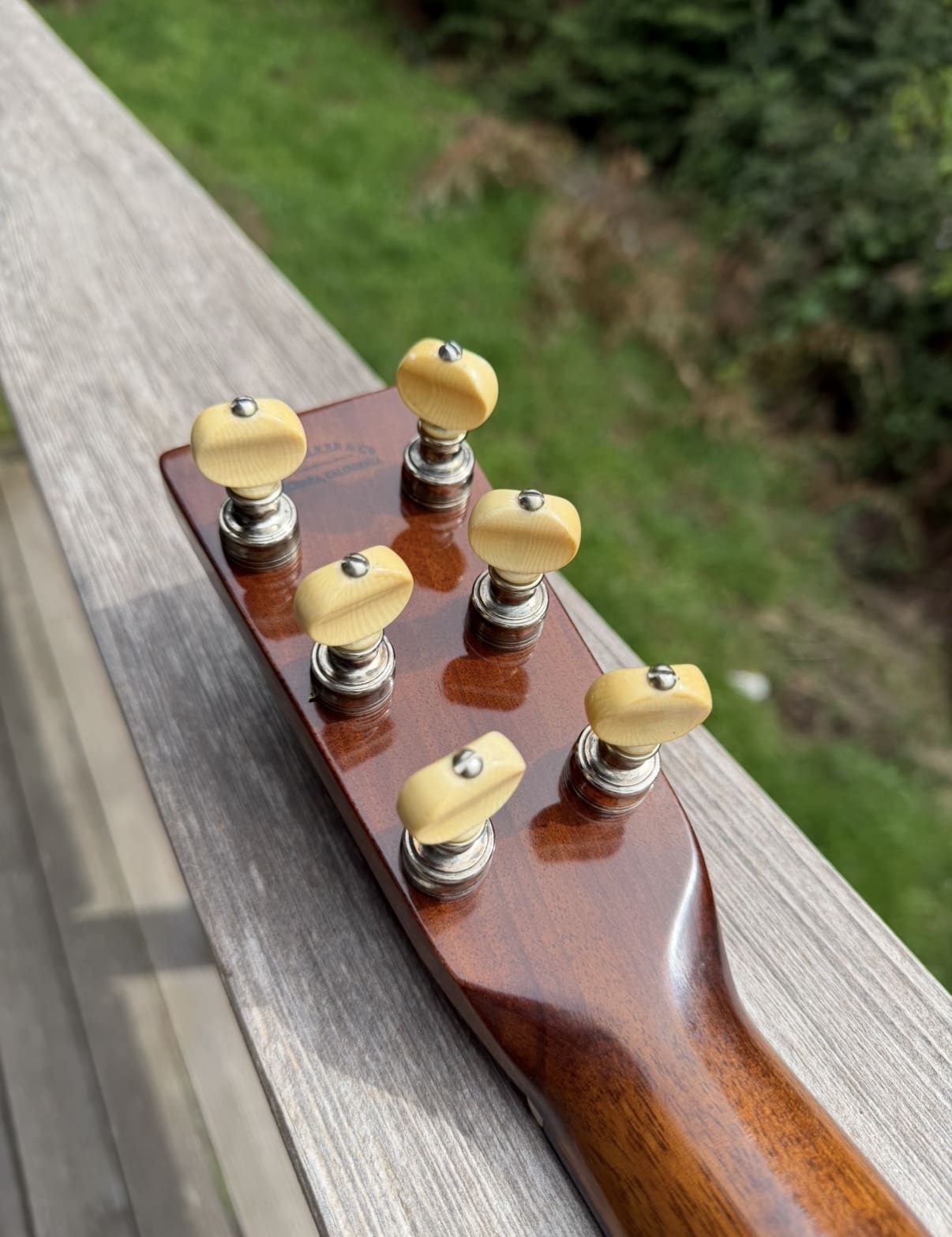
These days I’ve been playing a Michael Walker guitar that I really love. Bar-fretted, OM-18 style…it’s fabulous. What I’ve always been moving towards is something that replicates the sound of an early ‘30s OM-18. Growing up, our local guitar shop was Eric Schoenberg’s. Mr. O.M. himself. I forgot about that sound then; over the years, I thought, that’s the timbre I’ve been looking for. The 000 has some of that, but it’s shorter scale. The Collings has some, too, because of its longer scale, but it doesn’t have other things. The Walker has all those features. Michael is a fabulous builder. I wanted to bring it to Australia, but it’s got banjo tuners, and they didn’t fit in my Hoffee case.
Screenshot
Coda
I sought out Bill Frisell to garner his thoughts on Julian’s creative trajectory. His reply was informed by an Instagram post he’d seen earlier that day of Julian playing at the Crossroads Festival alongside Jorge Roeder and Nasheet Waits. “He’s evolving so fast, and it keeps getting deeper and clearer. His curiosity for everything around him. He’s not stopping!”
When I relay this to Julian, his reaction is typically warm and generous: “That’s sweet of Bill. I’m grateful to be doing this.”
Evolution–Curiosity–Humility. Hallmarks of Lage’s philosophy and sensibilities that hark back to the making of World’s Fair.
The post Revisiting ‘World’s Fair’ with Julian Lage first appeared on Fretboard Journal.
Podcast 566: Charlotte Cornfield
On today’s Fretboard Journal Podcast, we meet Charlotte Cornfield, a Toronto-based singer-songwriter who recently released her sixth album, Hurts Like Hell.
The album was recorded live off the floor at Phil Weinrobe’s studio in Brooklyn and features guitarists Adam Brisbin and El Kempner, guest vocals from Feist and Buck Meek, and lots more.
We discuss Charlotte’s writing process, how the different players left their stamp on this beautiful record, her one-pedal pedalboard, and more.
https://charlottecornfield.com
Above photo: Sara Melvin
Subscribe to the Fretboard Journal’s quarterly print magazine. Issue 61 is about to be mailed to all subscribers: https://shop.fretboardjournal.com/products/fretboard-journal-annual-subscription
We are brought to you by Peghead Nation: https://www.pegheadnation.com
(Get your first month free or $20 off any annual subscription with the promo code FRETBOARD at checkout).
We are also brought to you by Mike & Mike’s Guitar Bar: https://mmguitarbar.com, located in Seattle, Washington.
The post Podcast 566: Charlotte Cornfield first appeared on Fretboard Journal.
Excerpt: Christopher Guest in Fretboard Journal 60
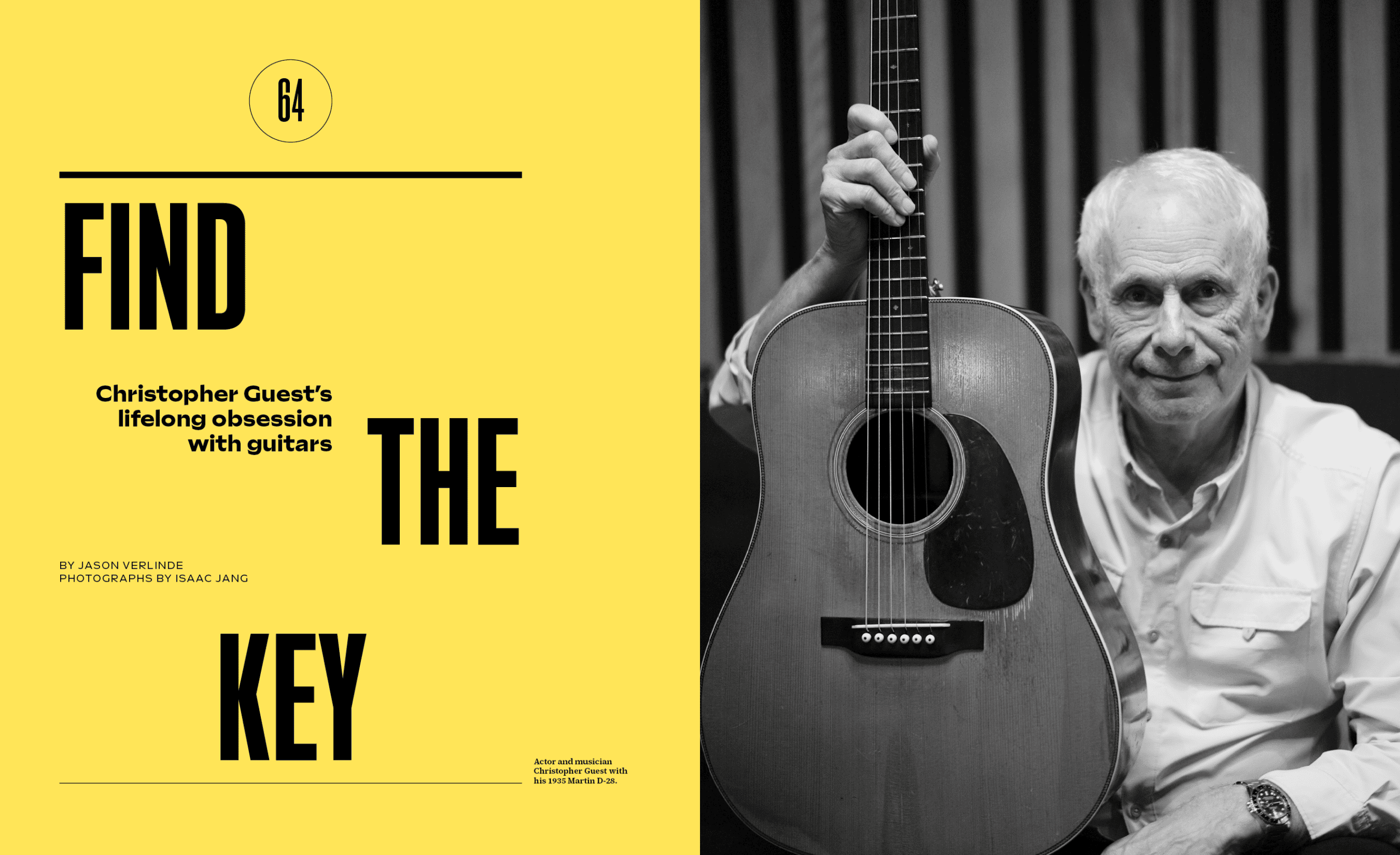
If you think of Christopher Guest as merely Nigel Tufnel (or Corky St. Clair), you’d miss the point.
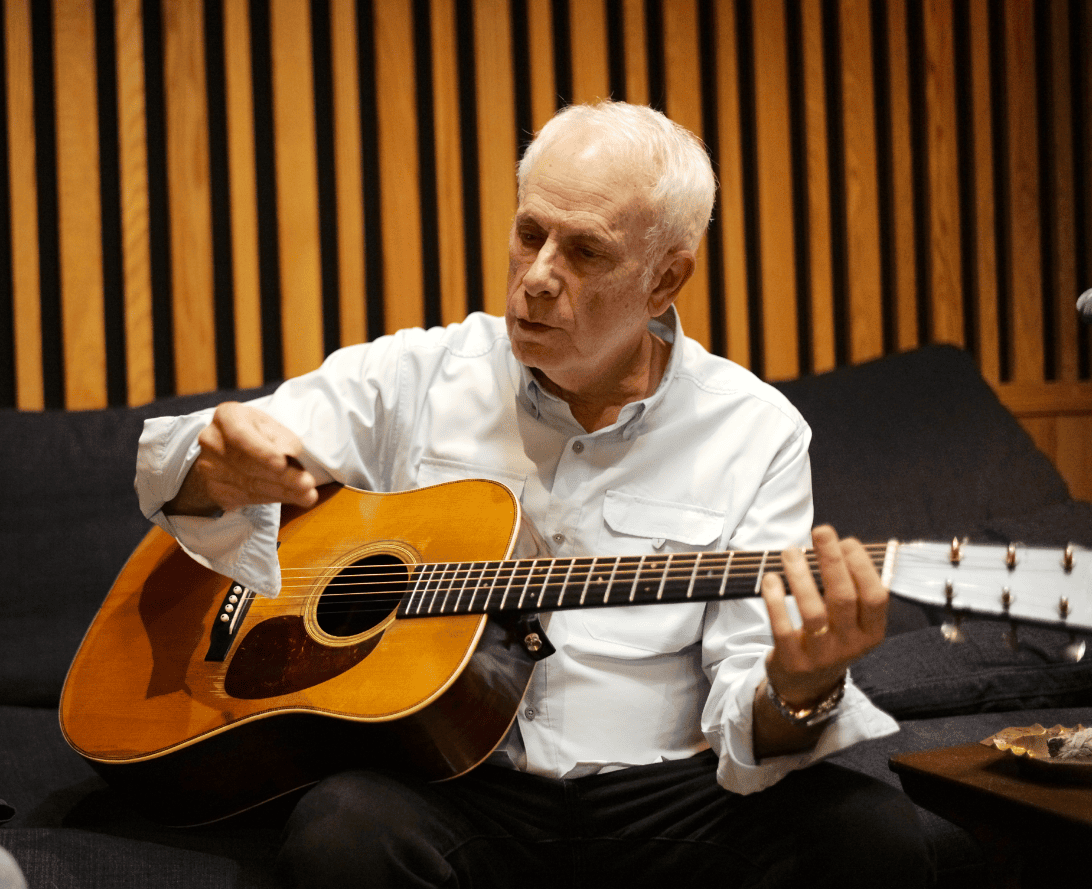
Beyond Spinal Tap, Guest has been obsessed with fretted instruments since his teenage years. Over the decades, he amassed a world-class collection of instruments, including vintage Martins and Gibsons, and a Monteleone mandolin. And he still plays them all… regularly.
We sat down with this comedy legend and Fretboard Journal reader for an exclusive interview in our 60th issue, where he recounts how he once saved his Martin dreadnought from John Belushi’s destruction (not quite Animal House level intention, but still…) and walks us through some of his favorite instruments. Below are some excerpts. Order the issue here.
Folk Roots
“Pete Seeger was the music teacher at the school I went to. Dylan lived around the corner. I’m younger, but I went to all those folk clubs and played in those clubs where you could just walk in and play. I played at Washington Square, which was two blocks from my house. I listened to all kinds of music. I listened to Woody Guthrie, I listened to bluegrass music and I listened to jazz. And then I went to a school [The Stockbridge School] where I heard a rumor that Arlo Guthrie, who had not played any music publicly yet, went to. I thought, That’s Woody’s son. I should probably try to go to that school, because I think there’s a connection.”
Road Trips
“I’d heard Lightnin’ Hopkins live and B.B. King live in roughly ’67. I rode on a bicycle in 1963 with some friends, 200 miles, to the Newport Folk Festival. There were five or six of us. It’s insane when I think about that now. From Vermont, we rode on bicycles to Newport!”
The Perils of the Folksmen Opening for Spinal Tap
“We opened for ourselves several times. At the Greek Theatre, my wife took our son, who was about six. He had these airplane earphones on because [Tap] was so loud. [The Folksmen] opened, and I have this bald [wig] thing on with these little tufts of hair, and I’m playing banjo, mandolin and guitar. He turned to her and said, ‘When are the old guys getting off and the loud guys coming out?’ He had no idea.
“It was really fascinating to open for ourselves. We did it in England; we did it at Carnegie Hall and a couple of other times. You could sense, because people didn’t know who it was, ‘Get the F out of here!’”
A Love for Old Martins
“All the Tap songs were written on this ’46 [Martin D-28]. Someone had put a stencil on it here [points to the top].”
“It said ‘Rhythm Kings.’ After about 20 years, it just sort of faded away. You can’t see it. And I thought that was funny when I bought it.”
“It has the original label from Matt Umanov and his original store, which was on Bedford. I wrote the songs for the original Lampoon records on this and then a show we did called Lemmings, which ran for a year. And there was one song in the show where all the actors who played instruments switched instruments. I started playing this [Martin]. Then I gave it to John Belushi, who was playing the bass. I then had the bass.”
“John fell off the stage holding this. He did not injure the guitar, but I said, ‘We’re not going to be using this again.’ That was in 1973.”
Stomp Boxes
“With pedals, it’s a bit of a jerk-off, but it’s also interesting to me. The Chase Bliss people sent me this pedal, which is a Reverse Mode C pedal…an amazing pedal. They make great stuff, and they’re kind of insane. They’re dedicated, crazy people, really crazy, but in a legitimate, interesting way.
“The new one that just came out, which I won’t get, sounds quite remarkable…that delay [Big Time]. When I had the [pedal board] for [Spinal Tap II] built for me, about a third of those were my pedals on that huge thing in the movie. There are probably 30 pedals. I don’t know what they are. I was going to extend it so that it was 100 feet.
“I have a little board at home, a pedal board that I use, and I switch out some things. I appreciate what goes into that. I don’t understand the taking it apart thing. But I do hear what they’re doing, and there are some talented people doing that. I think good players use them, and then good players don’t use them.”
Read the entire interview in our 60th print edition, out now. Photographs by Isaac Jang.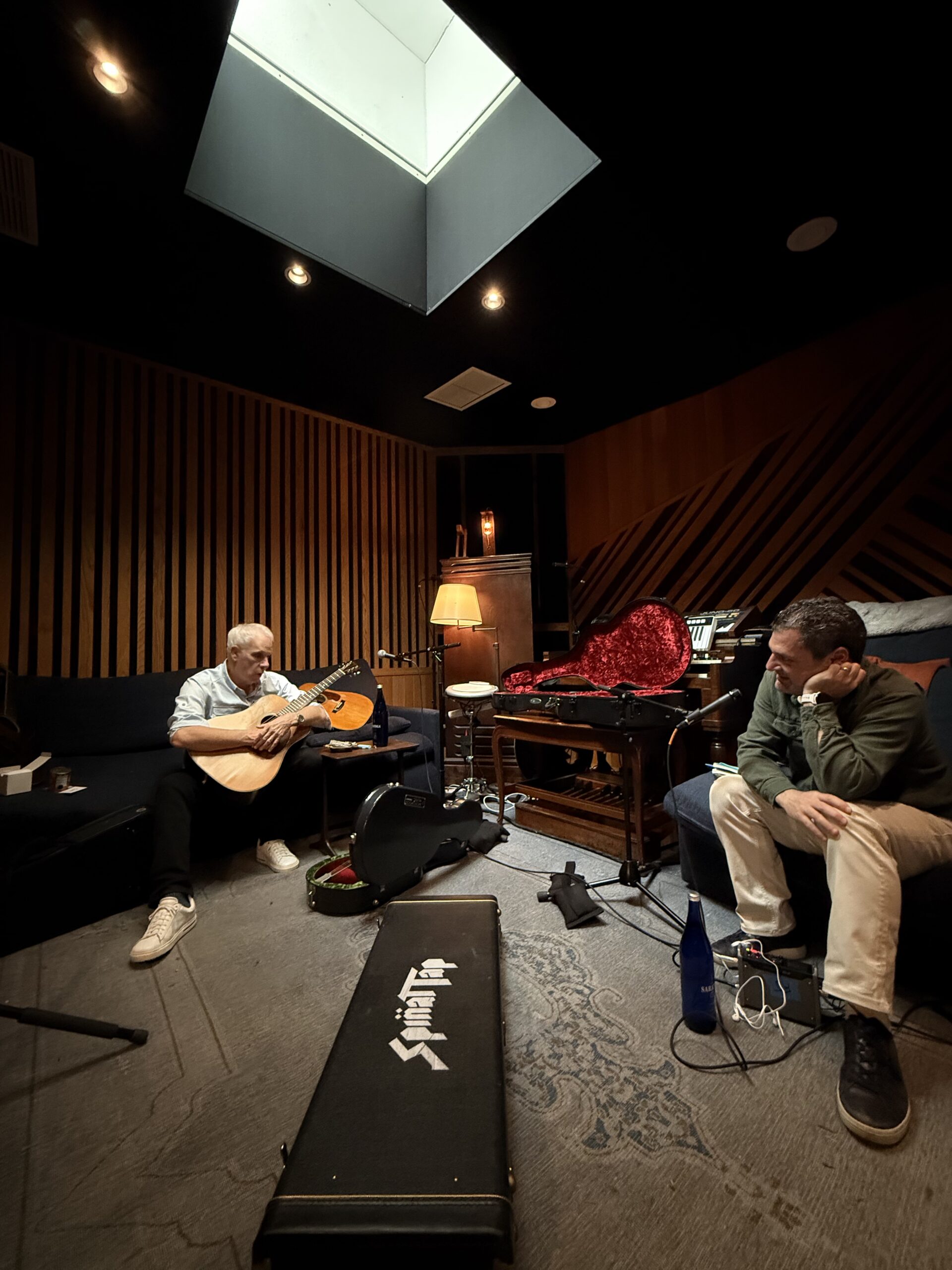
The post Excerpt: Christopher Guest in Fretboard Journal 60 first appeared on Fretboard Journal.
Wintergrass Sessions: Bruce Molsky & Brittany Haas
Fiddlers Bruce Molsky & Brittany Haas (Punch Brothers) perform “Isambard Kingdom Brunel’s Waltz,” “Half Past Four,” and “Fall on My Knees” at Wintergrass 2026 for the Fretboard Journal.
We also asked Bruce and Brittany about the fiddles (and guitars) Bruce and Brittany used.
Register now for Wintergrass 2027. The lineup in 2027 will include Sierra Hull, Jerry Douglas Band, East Nash Grass and other bluegrass favorites.
Video by Brad Wagner, audio by Juan M Soria.
We’ll be sharing more highlights from Wintergrass 2026 on a weekly basis here and on our YouTube channel.
The post Wintergrass Sessions: Bruce Molsky & Brittany Haas first appeared on Fretboard Journal.
Podcast 565: Wood & Wire Fine Fretted Instruments
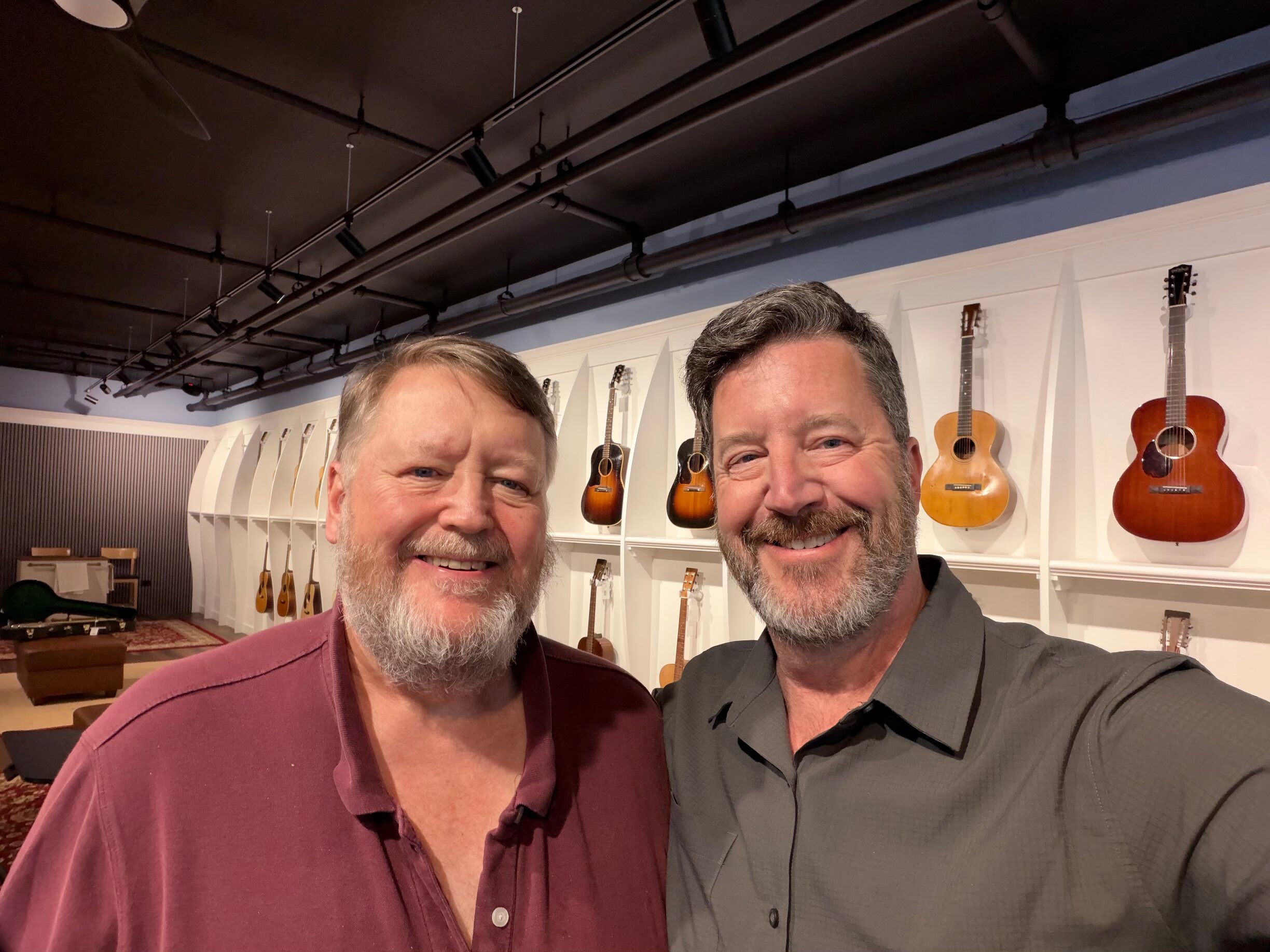
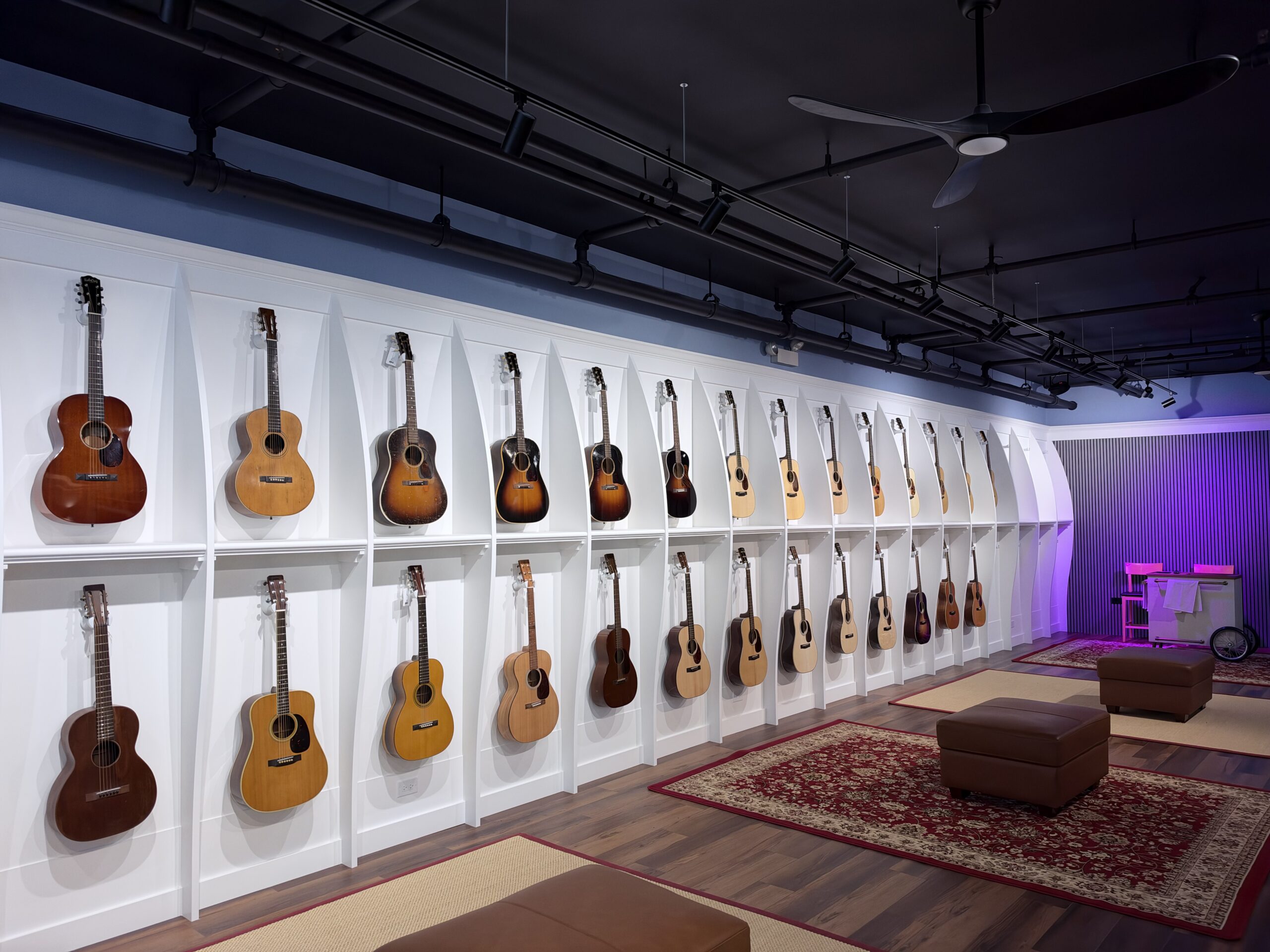
On today’s Fretboard Journal Podcast, we are talking to Jim and Frank from Wood & Wire Fine Fretted Instruments, a recently opened Chicago-area guitar store celebrating high-end and boutique instruments. This may just be the most Fretboard Journal-ish guitar retailer on earth.
Jim Newcomb served as CEO of the Old Town School of Folk Music and is responsible for bringing the Fretboard Summit to Chicago. Frank Hamilton is a former student at the Galloup School and headed the repair shop at the recently closed Guitar Works from 1999-2004.
Wood & Wire distinguishes itself with an inventory featuring bigger boutique brands like Collings, Huss & Dalton and Boucher alongside hand-picked luthier-built instruments from legends such as Jason Kostal, Tyler Wells, Paul Woolson and others. They also carry both high-end acoustics and electrics, vintage instruments, and select amps.
During our chat, we talk about the origin of the store, their desire to make it a community hub, the intricacies of modern guitar design, and so much more.
Subscribe to the Fretboard Journal’s quarterly print magazine. Issue 60 is now mailing and features Christopher Guest; a cover story penned by John Monteleone and other surprises: https://shop.fretboardjournal.com/products/fretboard-journal-annual-subscription
We are brought to you by Peghead Nation: https://www.pegheadnation.com
(Get your first month free or $20 off any annual subscription with the promo code FRETBOARD at checkout).
We are also brought to you by Mike & Mike’s Guitar Bar: https://mmguitarbar.com, located in Seattle, Washington.
The post Podcast 565: Wood & Wire Fine Fretted Instruments first appeared on Fretboard Journal.
Podcast 564: John Leventhal
The great John Leventhal joins us once again to talk about the making of his new solo album, National Drift.
https://www.instagram.com/johnleventhal/
We talk about his recording process for the album, how the songs came to be, the guitars he’s currently loving, the perils of compression, and so much more.
Above photo: Rosanne Cash
Subscribe to the Fretboard Journal’s quarterly print magazine. Issue 60 is now mailing and features Christopher Guest; a cover story penned by John Monteleone and other surprises: https://shop.fretboardjournal.com/products/fretboard-journal-annual-subscription
We are brought to you by Peghead Nation: https://www.pegheadnation.com
(Get your first month free or $20 off any annual subscription with the promo code FRETBOARD at checkout).
We are also brought to you by Mike & Mike’s Guitar Bar: https://mmguitarbar.com, located in Seattle, Washington.
The post Podcast 564: John Leventhal first appeared on Fretboard Journal.
Podcast 563: Frank Gross of Thunder Road Guitars
Frank Gross, founder of West Seattle’s Thunder Road Guitars, joins us this week.
Thunder Road is a unique brick-and-mortar success story. Thanks to some smart business moves (online and off), Thunder Road has thrived. In fact, Frank recently purchased and renovated a commercial space for the store!
During our chat, we talk about Seattle’s thriving independent guitar stores; Thunder Road’s offerings (they carry big brands like Fender and Gibson alongside consignment instruments); and so much more.
We are brought to you by Peghead Nation: https://www.pegheadnation.com
(Get your first month free or $20 off any annual subscription with the promo code FRETBOARD at checkout).
Mike & Mike’s Guitar Bar: https://mmguitarbar.com
The post Podcast 563: Frank Gross of Thunder Road Guitars first appeared on Fretboard Journal.
Luthier on Luthier: Chris Holcomb
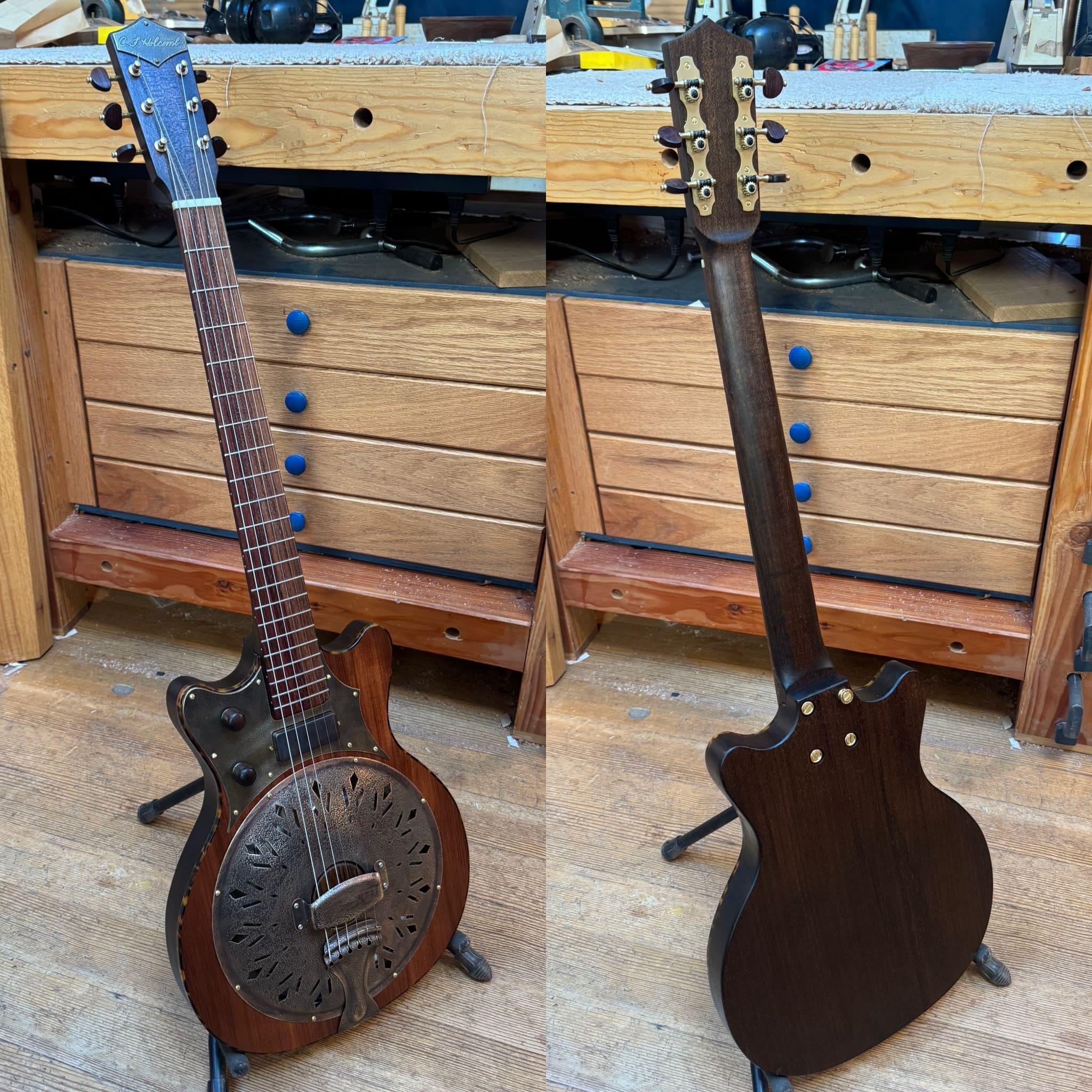
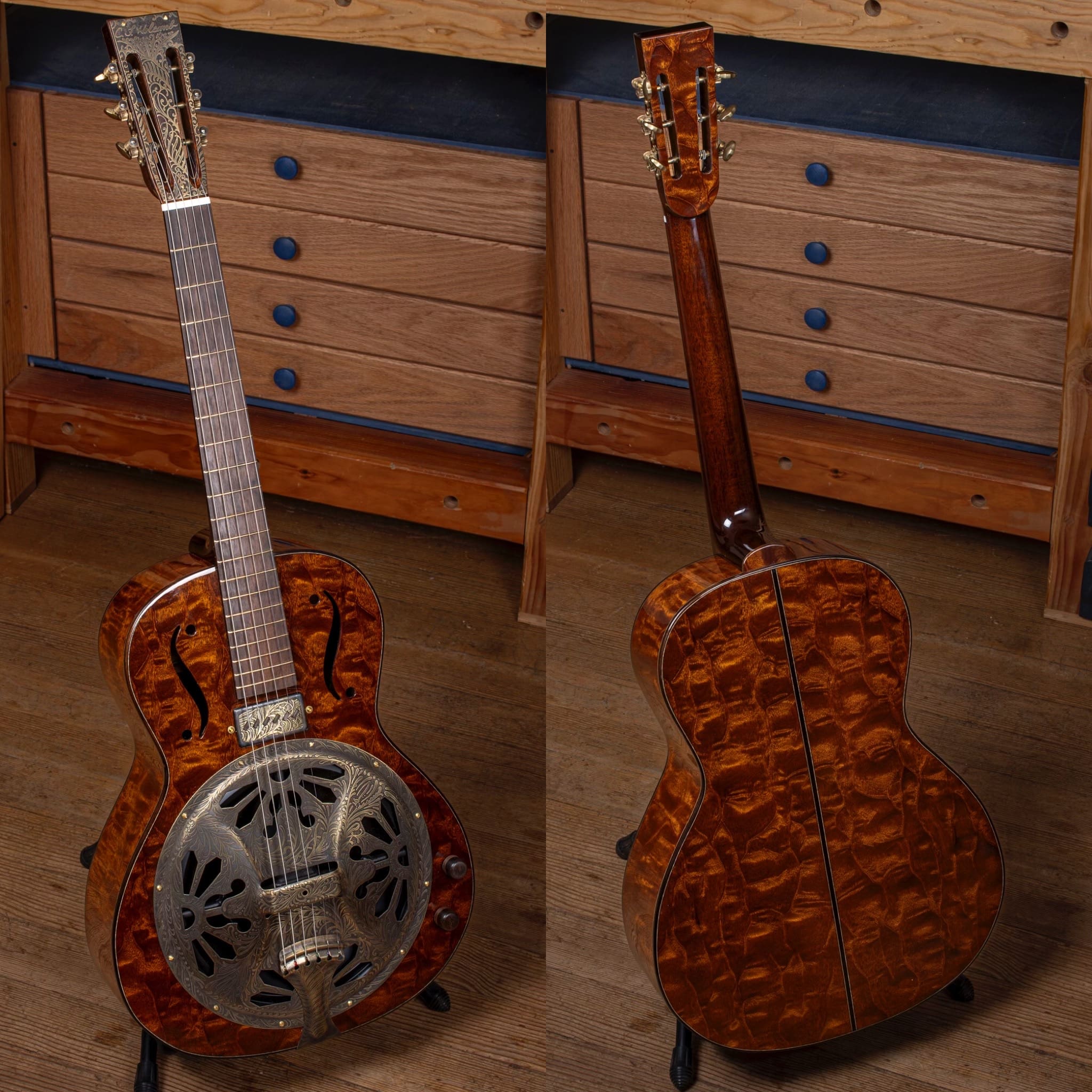
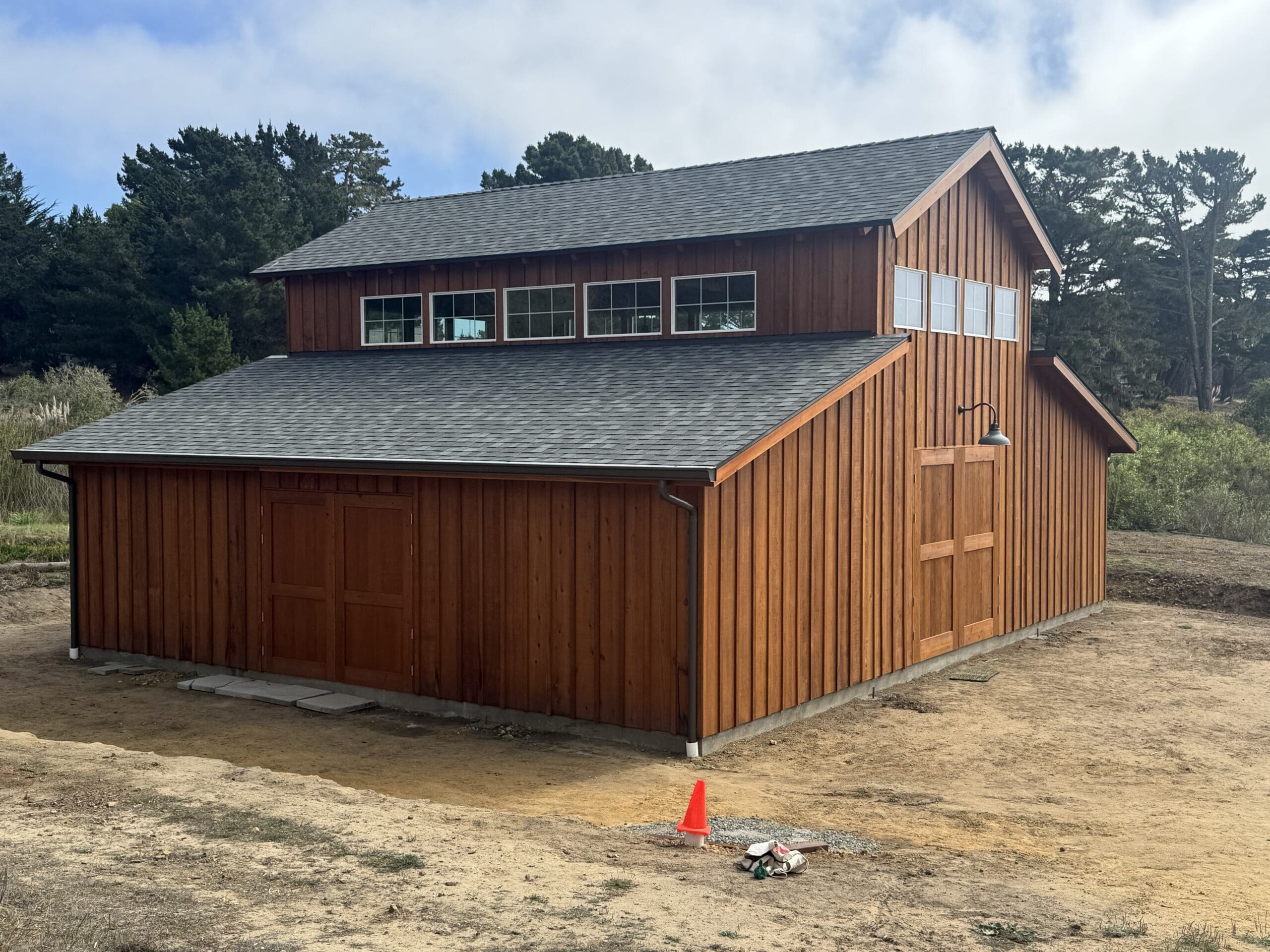
Chris Holcomb specializes in making world-class resonator guitars in Santa Cruz, California.
Chris built a guitar in his teens and has pursued the craft ever since. In episode 118, Chris tells us this wasn’t a straightforward path, but one of persistence and dedication that ultimately paid off as he achieved his goal of making a life and living through his hands.
Link: https://www.cfholcombguitars.com
https://www.instagram.com/c.f.holcombguitars
Luthier on Luthier is hosted by Michael Bashkin of Bashkin Guitars and brought to you by the Fretboard Journal. This episode is sponsored by the Looth Group, Dream Guitars and StewMac.
Want to support Luthier on Luthier? Join our Patreon to get access to exclusive photos and content from Michael and his builds.

The post Luthier on Luthier: Chris Holcomb first appeared on Fretboard Journal.
Truth About Vintage Amps, Ep. 171
Skip is back from a long-overdue road trip and has tales to tell and amps to fix. We also hear about the Fretboard Summit’s vintage amp room (watch that baby Leslie video), Christopher Guest in the new Fretboard Journal and so much more.
New Truth About Vintage Amps discount from Amplified Parts on all Apex matched-tube products: TAVAAPEX10 gets you a one-time discount of 10% off Apex products now through October 31, 2026. Stock up! https://www.apexmatching.com
Thank you to our sponsors: Grez Guitars; Emerald City Guitars; and Amplified Parts / Mod Electronics.
Some of the topics discussed this week:
2:21 Skip hits the road to Pendleton, Oregon and Spokane, Washington: White’s Boots (link); the Pendleton Roundup (link); Kirishian rug cleaning (Instagram)
17:22 Why do DC-powered amps need a vibrator, explained!
21:37 Summit recap from Brian McAllister (follow him on Instagram); more Skip road trip highlights
27:01 Figuring out the taper on NOS pots, how does the hum control work on my Bell Pacemaker PM10?, and jalapeno salsa
34:00 I want a tweed 5F1 Champ: Should I build one or buy one?
37:59 What should I do with this Peavey Classic? Ludwig, the TV series
44:54 A wild K&F pickup restoration story (find it on our Patreon)
45:33 Putting a harmonica mic into a guitar?
48:53 Amp tech knowledge gaps; Uncle Doug and cheap solder (YouTube video), Solder Smoke Remover (Amazon link)
56:02 Vintage Sound 50; a potential guest Peter Miller?
1:02:23 Help for my Harmony H306A; 7408 power tubes
1:07:40 Paul Simon guitarist Mark Stewart (Wikipedia); more roadtrip talk (Hwy 395); Christopher Guest in the Fretboard Journal 60 (order it here)
Want to be a part of the show? Join us by sending your voice memo or written questions to podcast@fretboardjournal.com! Include a photo, too.
Hosted by amp tech Skip Simmons and co-hosted/produced by Jason Verlinde of the Fretboard Journal.
Above: Listener Bernie’s Bogen Pacemaker PM10.

The post Truth About Vintage Amps, Ep. 171 first appeared on Fretboard Journal.
Wintergrass Sessions: John Reischman & Patrick Sauber
At the 2026 Wintergrass Festival in Bellevue, Washington, the Fretboard Journal teamed up with filmers I Know We Should to capture some of our favorite artists (and talk gear).
In this session, we sit down with bluegrass greats John Reischman and Patrick Sauber.
We hear John and Patrick play three tunes and then the duo walks us through their cherished instruments, including John’s Lloyd Loar-signed Gibson F-5 from 1924, which has been featured in our print magazine and in other FJ videos.
Register now for Wintergrass 2027. The lineup in 2027 will include Sierra Hull, Jerry Douglas Band, East Nash Grass and other bluegrass favorites.
Video by Brad Wagner, audio by Juan M Soria.
We’ll be sharing more highlights from Wintergrass 2026 on a weekly basis here and on our YouTube channel.
The post Wintergrass Sessions: John Reischman & Patrick Sauber first appeared on Fretboard Journal.
Luthier on Luthier: Andy McKee
Andy McKee exploded to prominence in 2006 with this video of his track “Drifting,” released on the nascent CandyRat record label.
Twenty years later, Andy’s career has taken him to audiences around the world, with collaborations ranging from Dream Theater to Prince.
I’ve been looking forward to sharing this episode of Life on the Fretboard since we recorded it during Andy’s latest world tour. But first let me set the scene…
A few weeks ago, I was in Japan, a country that I had not visited since my late teens. The first time I was there, I managed to blow almost all of my budget for the trip on a secondhand Fender Telecaster I found in Osaka…a Keith Richards-style ’72 Custom with a wide-range humbucker and the four knobs. (That was on day two of a two-week trip, and an indication of seventeen-year-old me’s value priorities and impulse control.) On this trip, I resolved to be more cautious.
This time, I was in Japan as producer for Australian fingerstyle guitar supremo Alan Gogoll. He’s a previous guest on this podcast and, to my mind, one of the most impactful and iconoclastic acoustic guitar voices of this century. That is no idle exaggeration.
Alan was playing a set at the Osaka Sound Messe show, the Japanese equivalent of the Fretboard Summit. After that, the plan was to get some peace and quiet in the historic city of Kyoto, where we would record an album (our sixth together). All of this has now happened.
Note: In the Fretboard Journal‘s 59th issue, you will find an article I wrote about my experiences on the producer’s side of the glass at the legendary Hansa Studios in Berlin for the recording sessions that would become Alan Gogoll’s album Lioness Lullabys.
The reason that I mention this is that, during my time in Japan, my guest for this episode, the mighty ANDY MCKEE, was also in Osaka. Despite the twin charms of tight schedules and crushing jet lag, we were able to get together one evening as a small group that included Alan, Andy and fellow guitarists Adrian Bellue (the acoustic one) and Japan’s own Kousuke Miura. We enjoyed a dinner together at an all-you-can-eat wagyu beef emporium in Osaka.
It was at dinner when I heard Alan Gogoll say that if it hadn’t been for Andy’s “Drifting,” he never would have picked up an acoustic guitar and would probably still be shredding on some sort of pointy Ibanez with a Floyd Rose.
That meant that, if it hadn’t been for Andy, neither Alan nor I would have been sitting at that table in Osaka; that Fretboard Journal article would never have been written, and none of the albums we had made together would exist!
This was quite a moment of realization for me – a sudden sense of time and place – and it made me stop and consider the impact that Andy McKee has had on the acoustic guitar world. He represents a true paradigm shift for instrumental acoustic players. He even toured with Prince as a solo acoustic guitarist…come on!
From my own point of view, Andy represents something of a duality: I first met him in Montreal some 15 years ago and every time I have had the pleasure of hanging out with him, he’s been affable, easygoing, and a genuine delight…the sweetest dude who is also a ferociously gifted guitarist, composer and performer.
We can learn a lot from Andy McKee. During the course of this conversation, I certainly did.
We talk about Andy’s early years in Topeka, Kansas; formative exposure to Eric Johnson’s “Cliffs of Dover,” which is how it all started for him; the deep influence of players such as Michael Hedges, Preston Reed and Don Ross; social media and the visual aspect of modern life as a musician; Prince; and the joy of working with celebrated acoustic guitar maker Michael Greenfield, who is also the sponsor for this episode.
This conversation actually took place several months before our meeting in Japan at a small hotel near Gatwick Airport, prior to Andy flying to the next leg of his world tour. There had been logistics and details and all manner of little moving parts that needed attending to, but Andy was handling it all with his typical good nature.
We had just had dinner when we recorded this and that’s where you join us during this podcast.
Life on the Fretboard is a Michael Watts production for Fretboard Journal.
Theme music by me with Dan Western on drums.
Branding by Michael Johnson.
Some links I mentioned:
Guitars of the British Isles with Martin Simpson (YouTube)
Andy McKee
https://andymckee.com
https://www.instagram.com/therealmckee
https://www.youtube.com/channel/UC4SlCAeLGLONquLmwYBkttA
Michael Watts
https://www.michaelwattsguitar.com
https://www.instagram.com/michael.watts.guitar/
https://www.youtube.com/@MichaelWatts
Sponsored by Greenfield Guitars.
Be advised that the conversation does contain some adult language.
The post Luthier on Luthier: Andy McKee first appeared on Fretboard Journal.
Podcast 562: Nate Mercereau
On today’s episode, guest host Ryan Richter sits down with multi-instrumentalist, composer, and producer Nate Mercereau.
Renowned for pushing the boundaries of stringed instruments, Nate continues to redefine what it means to play and compose with the guitar as the centerpiece.
In this conversation, Ryan and Nate dive into the making of Mercereau’s compelling new album, Fantastic Thoughts. They discuss the creative philosophy, gear setups, and spontaneous moments of inspiration that shaped the record, giving listeners an insider’s look into Nate’s unique artistic process.

We are brought to you by Peghead Nation: https://www.pegheadnation.com
(Get your first month free or $20 off any annual subscription with the promo code FRETBOARD at checkout).
Mike & Mike’s Guitar Bar: https://mmguitarbar.com
Above photo: Alyssa Mercereau
The post Podcast 562: Nate Mercereau first appeared on Fretboard Journal.
Fretboard Summit 2026 Highlights
No one could quite explain it (and I still can’t), but our 2026 Fretboard Summit quickly became everyone’s favorite Summit to date.
Vibes were high, countless guitars were sold, but – most importantly – everyone just seemed to be smiling the whole time.
We had three days of talks, master classes, and panel discussions; around 100 exhibitors/luthiers; and a series of concerts with our most eclectic programming to date. Most importantly, we had fun.
Our next Summit takes place August 19-21, 2027 at Chicago’s Old Town School of Folk Music. Stay tuned for details.

Chris Martin IV (Martin Guitars) with an extra special talk featuring John Lennon’s old D-28.

Steve Dawson not only played in the Volcano Brothers with Richard Bennett at this year’s Summit (their first appearance outside of Nashville), but he also interviewed Richard about his extensive career as a guitarist. The interview will be shared soon on the Fretboard Journal Podcast.

Musician, historian and Fretboard Journal contributor Cameron Knowler opening for Jake Xerxes Fussell.

Offerings from Santa Cruz Guitar Co.

Fretboard Summit picks from Tone Slabs!

Maryland’s Cartouche Guitars.

Luthier Todd Lunneborg (TL Guitars) reprising his role as our Pinewood Derby emcee and officiant. This year we had around 20 luthiers build Pinewood Derby cars to compete.

New York’s Gillander Guitars knows how to make a flattop and a fast Pinewood Derby car.

Acclaimed bassist/cellist Gabe Noel shortly before his mind-blowing master class and Summit set, where he performed on a 1930s Rickenbacker tenor guitar.

Jacob Jolliff and Michael Daves.

Josh Scott of JHS did a session called Can You Hear It?, a blind taste testing featuring players trying to identify a coveted pedal versus its clones.

The Fretboard Journal’s Sofia Wolfson introduces Jessica Dobson of Deep Sea Diver.

The Fretboard Summit, where you may just catch Taylor Guitars’ co-founder Bob Taylor checking out the guitars of others. In this photo, he’s hanging out at the Breedlove booth.

Our first-ever Guitarmaking for Kids class at the Summit, where the next generation of luthiers learned about guitar construction, pounded some frets, and had some laughs.
Our next Summit takes place August 19-21, 2027 at Chicago’s Old Town School of Folk Music.
The post Fretboard Summit 2026 Highlights first appeared on Fretboard Journal.
Podcast 561: Molly Tuttle
Molly Tuttle joins us this week to talk about guitars (of course), her touring rig, life on the road and so much more.
We chat about vintage Martins, the new Martin double-neck guitar she’s using (the Martin Grand J-28E DN), why she hasn’t gone electric yet, and so much more. It’s a fun chat with one of the bluegrass world’s most inspiring artists.
https://www.mollytuttlemusic.com
We are brought to you by Peghead Nation: https://www.pegheadnation.com
(Get your first month free or $20 off any annual subscription with the promo code FRETBOARD at checkout).
Mike & Mike’s Guitar Bar: https://mmguitarbar.com
The post Podcast 561: Molly Tuttle first appeared on Fretboard Journal.
Wintergrass Sessions: Woody Platt and the Bluegrass Gentlemen
At the 2026 Wintergrass festival in Bellevue, Washington, the Fretboard Journal teamed up with filmers I Know We Should to capture some of our favorite artists (and talk gear).
In this session, we hear from Woody Platt and the Bluegrass Gentlemen.
In this video, we get a rundown on the band’s favorite gear, including Platt’s Collings and mandolin player Darren Shumaker’s Gilchrist.
Register now for Wintergrass 2027. The lineup in 2027 will include Sierra Hull, Jerry Douglas Band, East Nash Grass and other bluegrass favorites.
Video by Brad Wagner, audio by Juan M Soria.
We’ll be sharing more highlights from Wintergrass 2026 on a weekly basis here and on our YouTube channel.
The post Wintergrass Sessions: Woody Platt and the Bluegrass Gentlemen first appeared on Fretboard Journal.
Truth About Vintage Amps, Ep. 170
New Truth About Vintage Amps discount from Amplified Parts on all Apex matched-tube products: TAVAAPEX10gets you a one-time discount of 10% off Apex products now through October 31. So stock up! https://www.apexmatching.com
It’s the 170th episode of the Truth About Vintage Amps, the call-in show where amp tech Skip Simmons fields all of your guitar amplification questions (or at least the ones involving tubes).
Thank you to our sponsors: Grez Guitars; Emerald City Guitars; and Amplified Parts / Mod Electronics.
Some of the topics discussed this week:
:32 What’s on Skip’s Bench: A Voice of Music 8810
2:40 Jason’s Fretboard Summit 2026 report
10:13 Recommended reading: Willie Dixon’s ‘I Am the Blues,’ ‘Bo Diddley: Living Legend,’ and ‘Buzz Busby: Father of Washington DC Bluegrass’
12:35 Is this Fender Super Champ safe to use?
20:06 Aotearoa New Zealand Amplifier History Project (support it here); New Zealand pop and punk; building guitars in the Congo (Fretboard Journal #56)
25:19 MusicMan HD130; Sun O))); a typewriter at the 2027 Summit?
33:34 Who made Rickenbacker amps? Talk to me about my Rickenbacker M11
41:14 Bix Beiderbecke’s birthday (August 6); conversing with your amp heroes; frozen udon noodles and mushroom stock powder; Red Norvo’s “In a Mist”; Donald Brosnac’s ‘Guitar Electronics for Musicians’
50:06 Warming up a two-pronged amp through a Variac; if a Jenson speaker has been re-coned, can I stop worrying about its value?
55:35 Listener recommendation: A cheap Amazon wall outlet meter (link)
57:36 Mark Bartel’s prototype line-out interface (see Instagram pic!)
58:24 The magic of purslane
1:00:29 Why a vibrator? (on old DC amps/PAs)
1:04:19 The Savage Croaker amp; Bloodstone’s “Natural High;” Mesa Boogie Mark I repairs and Jim Washburn
Want to be a part of the show? Join us by sending your voice memo or written questions to podcast@fretboardjournal.com! Include a photo, too.
Hosted by amp tech Skip Simmons and co-hosted/produced by Jason Verlinde of the Fretboard Journal.
Above: Listener Bryan’s Fender Super Champ.
The post Truth About Vintage Amps, Ep. 170 first appeared on Fretboard Journal.
Podcast 560: Bryan Sutton
Bluegrass guitar hero Bryan Sutton joins us this week to talk about his brand-new album, From Roots to Branches, Vol. 1( Mountain Home Music Company).
The album features Sutton in duos with a bevy of friends, including Tommy Emmanuel, Billy Strings, Joe Bonamassa, Sierra Hull, the late Doc Watson, and others. As you’ll hear, the performances range from straight bluegrass to a rather rocking song with Billy Strings.
We also talk about his Blue Ridge Guitar Camp, session work, the joys of downsizing your guitar collection, and the secret studio weapon known as the Epiphone Seville (who knew?). We even brainstorm on a rather hilarious Fretboard Summit golf tournament.
https://www.bryansutton.com
https://www.blueridgeguitarcamp.com
We are brought to you by Peghead Nation: https://www.pegheadnation.com
(Get your first month free or $20 off any annual subscription with the promo code FRETBOARD at checkout).
Mike & Mike’s Guitar Bar: https://mmguitarbar.com
Above photo: Ali Hasbach
The post Podcast 560: Bryan Sutton first appeared on Fretboard Journal.
Luthier on Luthier: Jamie Gale
Jamie Gale is one of the most influential and forward-thinking voices in the guitar world. He is the founder of the Boutique Guitar Showcase, but his perspective goes far beyond guitars. His work has taken him into areas like artificial intelligence and robotics.
For episode 117, we talk about the changing cycles of the guitar industry, the rise of the Boutique Guitar Showcase, and some hard-earned lessons in business. Most importantly, Jamie shares his thoughts on what it takes for an independent guitar maker to build a distinctive identity.
Link: https://www.jamiegale.net
Luthier on Luthier is hosted by Michael Bashkin of Bashkin Guitars and brought to you by the Fretboard Journal. This episode is sponsored by the Looth Group, Dream Guitars, and StewMac.
Want to support Luthier on Luthier? Join our Patreon to get access to exclusive photos and content from Michael and his builds.
The post Luthier on Luthier: Jamie Gale first appeared on Fretboard Journal.