
Music is the universal language
“Glory to God in the highest heaven, and on earth peace to those on whom his favor rests.” - Luke 2:14
Norse Guitar Feeds
Letter from the Editor | Acoustic Guitar, Fall 2026 Issue 359

“There should be a star in front of three clubs in Hollywood where we practiced Brazilian jiu-jitsu over the set list!”: David Lee Roth jokes about his tumultuous relationship with Alex Van Halen
![[L-R] David Lee Roth and Alex Van Halen](https://guitar.com/wp-content/uploads/2026/09/David-Lee-Roth-Alex-Van-Halen@2000x1500.jpg)
Though one of the most influential rock bands of all time, the Van Halen camp hasn’t been without its conflict through the years. Following the death of guitarist Eddie Van Halen in 2020, much talk was made about a potential Van Halen tribute tour. But in 2024, drummer Alex Van Halen claimed plans fell apart after David Lee Roth objected to an overt acknowledgement of Eddie during the shows. “The moment I said we gotta acknowledge Ed, Dave fuckin’ popped a fuse…” he said.
But tensions seem to have settled as of late, with both Alex Van Halen and David Lee Roth putting aside their differences to sit down for a conversation thanks to TEDxFargo. The conversation itself actually took place on 30 July this year in Fargo, North Dakota, but has just been uploaded to YouTube.
As David Lee Roth explains, during the Van Halen years, what seemed like a harmonious performance onstage would often mean chaos backstage.
“We never showed behind the kitchen,” Roth says. “These are the first times Al and I are discussing Hell’s Kitchen in the back…”
He continues, elaborating on the times he and Alex have come to blows behind the scenes: “There should be a star in front of three different clubs in Hollywood where we practiced Brazilian Jiu Jitsu over the setlist!”
Elsewhere, Sammy Hagar, who took over from David Lee Roth as Van Halen frontman in 1985, recently spoke of his desire to stop “being the Van Halen guy”, after years of touring his Best of All Worlds tour alongside Joe Satriani and Michael Anthony.
“I’m kinda done with being the Van Halen guy,” he said. While he vowed to “always keep some [Van Halen tracks]” in his show, he reflected on how the Best of All Worlds trek evolved into a bigger thing than he had originally planned.
“Originally, the Best of All Worlds tour with Joe Satriani was supposed to only be once in 2024,” he said.
Watch the full TEDxFargo conversation between Alex Van Halen and David Lee Roth below:
The post “There should be a star in front of three clubs in Hollywood where we practiced Brazilian jiu-jitsu over the set list!”: David Lee Roth jokes about his tumultuous relationship with Alex Van Halen appeared first on Guitar.com | All Things Guitar.
Two Notes Introduces Captor X Pro
T-Rex RoomMate D’Luxe review – a trusty all-round reverb pedal is reborn for the modern era

$299/£249/€299/, t-rex-effects.com
Nobody really needs a reverb pedal – for authentic ambience, simply do all your guitar playing in an empty swimming pool or disused cathedral. There is, however, an obvious advantage to harnessing the power of digital processing to make reverb more practical, and one of the first pedals to do that successfully was the T-Rex Room-Mate.
This tube-driven unit first came out around 20 years ago, but it’s been out of production for a while. Is that because it was struggling to keep up with rivals that came along later offering more modes, more controls and more dreamy epicness? Quite possibly… and so here, on a mission to fix those shortcomings (and remove a hyphen), comes the RoomMate D’Luxe.
What is it?
The hyphen has gone and the enclosure has changed from white to blue, but in some ways the D’Luxe model picks up right where the second version of the original Room-Mate left off. It’s still a fairly compact reverb pedal with stereo output and a full-size preamp valve at its heart. But the main difference is a significant one: a doubling of effect modes, from four to eight.
So you’re getting long and short springs, a plate, two rooms, two halls and – replacing the old ‘reverb plus chorus’ sound – a hall with octave-up shimmer. You’re also getting a new knob, marked ‘optional’, that does different things in different modes: it controls low-end damping for the two spring effects, adds a pre-delay in the next five, and sets the level of the octave in shimmer mode – something that can also be controlled using an expression pedal.
The other knobs are standard fare – decay time, reverb level, master volume and tone – plus input gain, for making sure you don’t overload the unit when it’s plugged in at the end of a mile-long chain of overdrives, fuzzes and boosters. Mind you, since when was overloading a tube something to be avoided?
Oh, one more point to note before we enter the virtual cathedral: while most T-Rex pedals these days are manufactured in China, this one – like newcomer the TwinBlaze that I’ve already reviewed and the FuzzTopia – is made in the company’s home country of Denmark. That doesn’t necessarily make it a better product, but it’s good news for the purists and anyone who’s not keen on outsourcing in principle.
 Image: Adam Gasson
Usability and build quality
When a pedal has eight modes and six control knobs, the first thing you might be looking for is some sort of preset switch. With the RoomMate D’Luxe, you might as well look for a bottle opener, because this thing is strictly manual. Personally, I don’t think that’s a bad thing, as it’s a simple device at heart – and how many different reverb sounds does the average guitarist need to have at hand?
The control markers glow yellow when the unit is engaged, which will be easy to spot even on the darkest of stages, and the one above input gain turns orange when it’s overloaded. There’s also a warm glow from the JJ ECC83S valve, even in bypass, but this is actually coming from an LED at its base. Now, that might make you think it’s only there for show – not least as T-Rex doesn’t quote an operating voltage – but the pedal runs on a 12v power supply (included) and draws over 600mA of current according to the manual, so my guess is it’s cooking at the same 250v as the original.
 Image: Adam Gasson
Sounds
Here’s a sizzlingly hot take for you: lots of people like to play guitar in stereo, but nobody likes to listen to guitar in stereo. I don’t know if there’s a solution to that paradox, but I am glad the RoomMate D’Luxe is stereo if only for the self-indulgent joy of plugging into two amps and basking in the gigantic space between them. And besides, it also has stereo inputs so it’s not limited to us guitarists and our silly little monophonic plink-sticks.
So let’s just get this out of the way: it sounds great in stereo, but I’ll be doing most of my testing in a one-amp setup because that’s how most people are likely to end up using the pedal. And luckily, it also sounds great in mono.
The spring algorithms are up first, and they’re both totally convincing. At matched settings there’s actually no obvious difference in decay time between the two, but the ‘long’ version is a little smoother and mellower. The plate is smoother still, as you’d expect, and this might be your first port of call if you’re not actively seeking the wobbliness of a spring: it’s just a really nice reverb, nuff said.
I’ve never really seen the appeal of room reverbs – who wants to emulate bad acoustics? – but the two here are certainly realistic. It’s in the three hall modes, though, that the fun really begins – and where you might well want to wheel out that second amp for stereo immersion. There’s no audible modulation on offer, so it never goes as richly celestial as something like the OBNE Dark Star Stereo or Strymon NightSky, but for pure hugeness this is all the reverb you’ll ever need.
The shimmer effect is on the assertive side, and can get shrill at times, but that’s easily fixed by dialling down the mix and/or the tone… and that brings us to the real strength of this pedal: its tweakability. T-Rex has put that high knob count to smart use, bringing total control over every aspect of the effect so you can get it sitting exactly where you want it in every mode.
That’s most strikingly true of the input gain. Keep this down around 11 o’clock for textbook clean effects, but if you slam it towards maximum the reverbs take on a pushy intensity that makes everything feel that much more exciting. And no, I never did get it to distort – but you can use the output volume for a nice boost on the way out.
 Image: Adam Gasson
Should I buy one?
T-Rex has done what it needed to do to bring the RoomMate up to date with the 2026 reverb market. The result is a strong contender that covers all the key varieties while offering excellent audio quality and, above all, supreme tonal versatility.
This is not a dedicated ambient soundscaping tool – its heart lies somewhere more traditional than that – but it is a fine all-rounder, at a good price for something that’s been made in Europe by a company with real pedigree. If T-Rex really is going back to boutique, this is a very encouraging sign of what’s to come.
Alternatives
At the top of this review I mentioned rival reverb pedals with “more modes, more controls and more ethereal epicness” than the old Room-Mate. Well, let’s run through some of them. Among your most obvious options are the Boss RV-6 ($153.99/£169), Neunaber Immerse ($269/£269) and Strymon BlueSky V2 ($379/£359), while a relatively newer contender offering pristine audio quality is the UAFX Golden Reverberator ($399/£379).
The post T-Rex RoomMate D’Luxe review – a trusty all-round reverb pedal is reborn for the modern era appeared first on Guitar.com | All Things Guitar.
BOSS Announces The EX-4 Effects Expander
Vox Amplification Introduces the AC Mini Amplifier
Vox Amplification announces the release of the AC MINI, a compact and affordable 10-watt guitar amplifier designed to bring the feel, look, and tone of the iconic AC Series into smaller playing environments. Developed by the same engineering team behind the acclaimed Vox AC Hand-Wired Series, the AC MINI addresses the needs of home players, practicing musicians, and songwriters who require authentic amp response at manageable volumes without navigating complex digital menus.
At the heart of the AC MINI is an all-analog, 10-watt solid-state architecture powered by the newly developed Vox Dynamic Response Circuit. Pushing sound through a single 3-inch Vox original 8-ohm speaker, the amplifier is engineered to replicate the dynamic response, natural compression, and rich harmonic characteristics typically associated with classic tube amps. The all-analog design ensures that the amplifier delivers sound with real body and presence.
The tone-shaping section centers on an intuitive, two-channel control panel modeled after traditional Vox AC layouts. The analog circuit is designed to preserve the natural character of different pickups, from single coils to humbuckers, and responds dynamically to pick attack and guitar volume adjustments. For additional gain and sustain, an onboard BOOST switch pushes the preamp into expressive overdrive, introducing harmonic overtones while maintaining musicality across the full sweep of the controls.
For spatial effects, the AC MINI features an onboard digital reverb specifically developed and voiced by the Vox engineering team. Designed after extensive analysis and critical listening, the reverb emulates the warmth, subtle movement, and character of a classic spring reverb tank, adding natural depth and sustain to the signal.
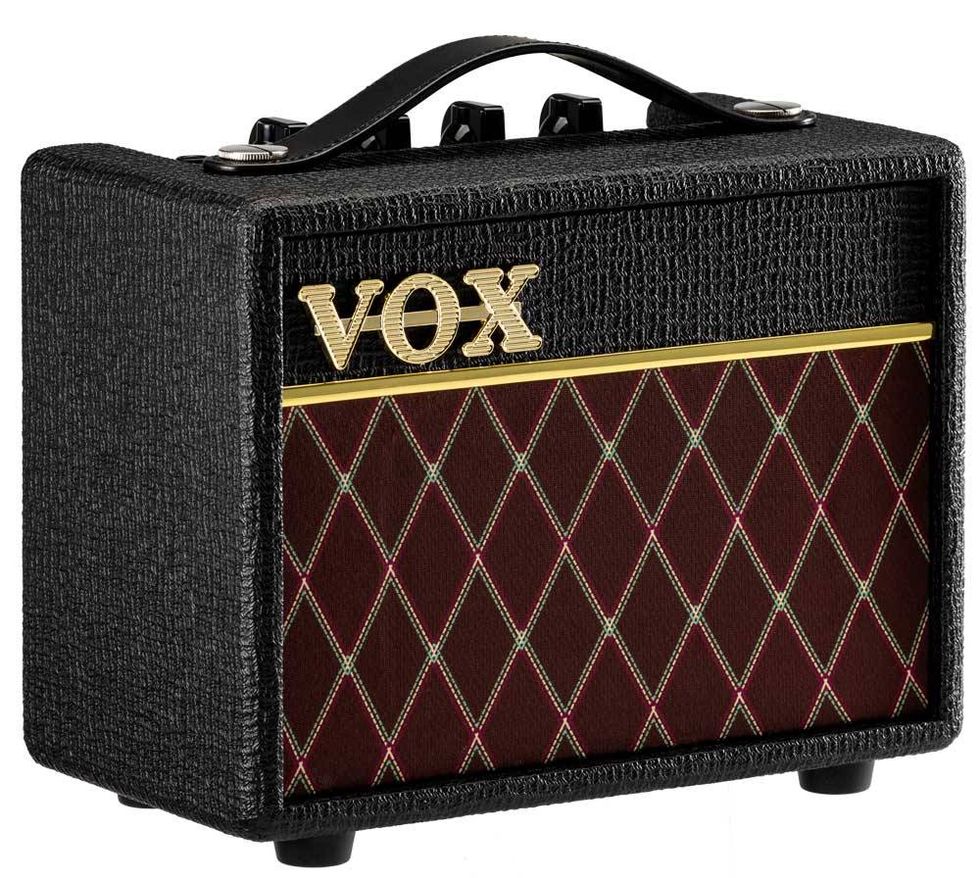
The top control panel provides a direct 6.35 mm (1/4 Inch) instrument input jack alongside a 3.5 mm stereo mini-phone AUX input and a 3.5 mm stereo mini-phone headphone output. The AUX input allows players to connect to a smartphone, tablet, or external audio device to play along with backing tracks, while the dedicated headphone output enables quiet practice sessions. The unit operates via an included DC 12V AC adapter (1A current consumption, 12 Watts power consumption).
Housed in a wood cabinet with a bass-reflex porting design, the enclosure leverages the material’s balanced mass and natural resonance to optimize low-end response and overall frequency balance. Measuring 221 × 125 × 180 mm (8.70˝ × 4.92˝ × 7.09˝) and weighing 1.8 kg (3.97 lbs.), the amplifier sports classic Vox aesthetic hallmarks, including a traditional split-front cabinet design, diamond grille cloth, and a gold Vox logo.
Street Price: $99.99 USD
For more information, please visit www.voxamps.com
Truth About Vintage Amps, Ep. 171
Skip is back from a long-overdue road trip and has tales to tell and amps to fix. We also hear about the Fretboard Summit’s vintage amp room (watch that baby Leslie video), Christopher Guest in the new Fretboard Journal and so much more.
New Truth About Vintage Amps discount from Amplified Parts on all Apex matched-tube products: TAVAAPEX10 gets you a one-time discount of 10% off Apex products now through October 31, 2026. Stock up! https://www.apexmatching.com
Thank you to our sponsors: Grez Guitars; Emerald City Guitars; and Amplified Parts / Mod Electronics.
Some of the topics discussed this week:
2:21 Skip hits the road to Pendleton, Oregon and Spokane, Washington: White’s Boots (link); the Pendleton Roundup (link); Kirishian rug cleaning (Instagram)
17:22 Why do DC-powered amps need a vibrator, explained!
21:37 Summit recap from Brian McAllister (follow him on Instagram); more Skip road trip highlights
27:01 Figuring out the taper on NOS pots, how does the hum control work on my Bell Pacemaker PM10?, and jalapeno salsa
34:00 I want a tweed 5F1 Champ: Should I build one or buy one?
37:59 What should I do with this Peavey Classic? Ludwig, the TV series
44:54 A wild K&F pickup restoration story (find it on our Patreon)
45:33 Putting a harmonica mic into a guitar?
48:53 Amp tech knowledge gaps; Uncle Doug and cheap solder (YouTube video), Solder Smoke Remover (Amazon link)
56:02 Vintage Sound 50; a potential guest Peter Miller?
1:02:23 Help for my Harmony H306A; 7408 power tubes
1:07:40 Paul Simon guitarist Mark Stewart (Wikipedia); more roadtrip talk (Hwy 395); Christopher Guest in the Fretboard Journal 60 (order it here)
Want to be a part of the show? Join us by sending your voice memo or written questions to podcast@fretboardjournal.com! Include a photo, too.
Hosted by amp tech Skip Simmons and co-hosted/produced by Jason Verlinde of the Fretboard Journal.
Above: Listener Bernie’s Bogen Pacemaker PM10.


The post Truth About Vintage Amps, Ep. 171 first appeared on Fretboard Journal.
Sole Power Pedal Reviews

Electro-Harmonix EHX Percolator Review
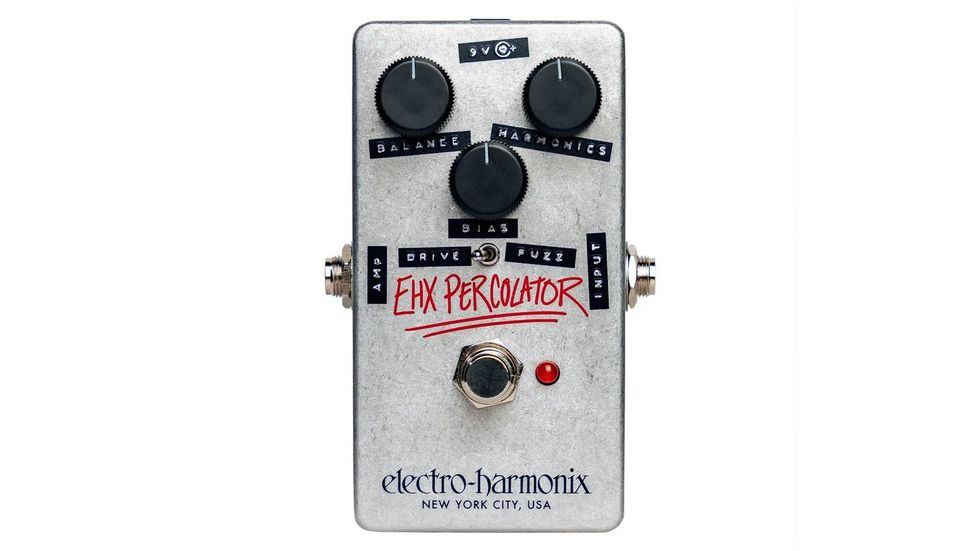
The InterFax Harmonic Percolator HP-1 circuit revealed its magic to me over a long period of time. Like just about everyone, I’ve never played an original. And when I finally encountered a reproduction at a recording session, it was the wrong pedal at the wrong time. I walked away from it vaguely disappointed and moved onto other things. Luckily for me, though, I came to be a colleague of Premier Guitar editor Joe Gore. Joe’s simple guidance for navigating the Harmonic Percolator lit the way to loving the circuit.
Daredevil Double Cocked Review
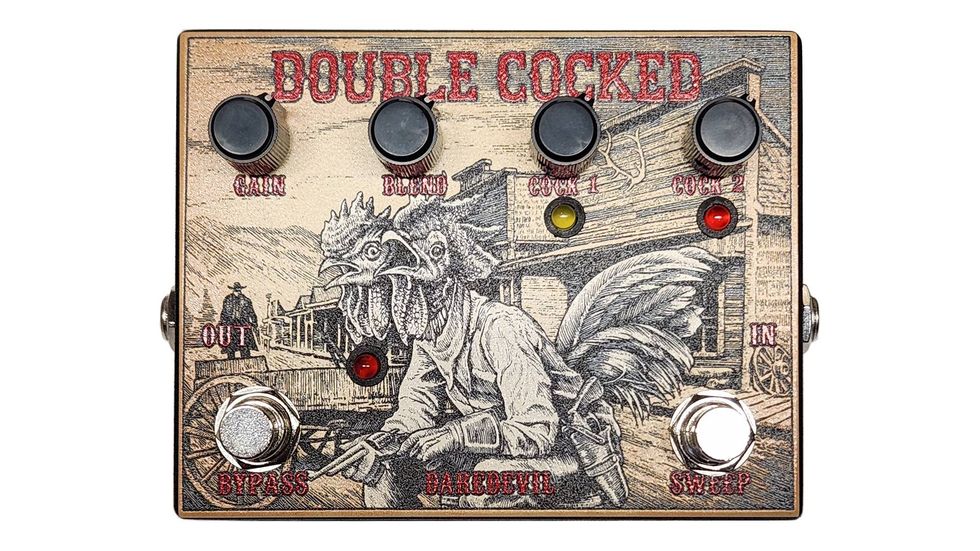
A lot of players spin magic and craft signature tones from a cocked wah. (For those that don’t know, the cocked wah sound is that honking, mid-rangey, filtered tone that you get when you park a wah pedal at a specific angle and leave it there to do its dirty work.) Frank Zappa did it. Mick Ronson did it. So did Michael Schenker. And for the last decade, Matt Pike of High on Fire and Sleep—a man whose entire tone philosophy seems to be “louder, and also weirder”—used various versions of Daredevil’s Atomic Cocked circuit to do that job.
Beetronics Seabee Lite Review
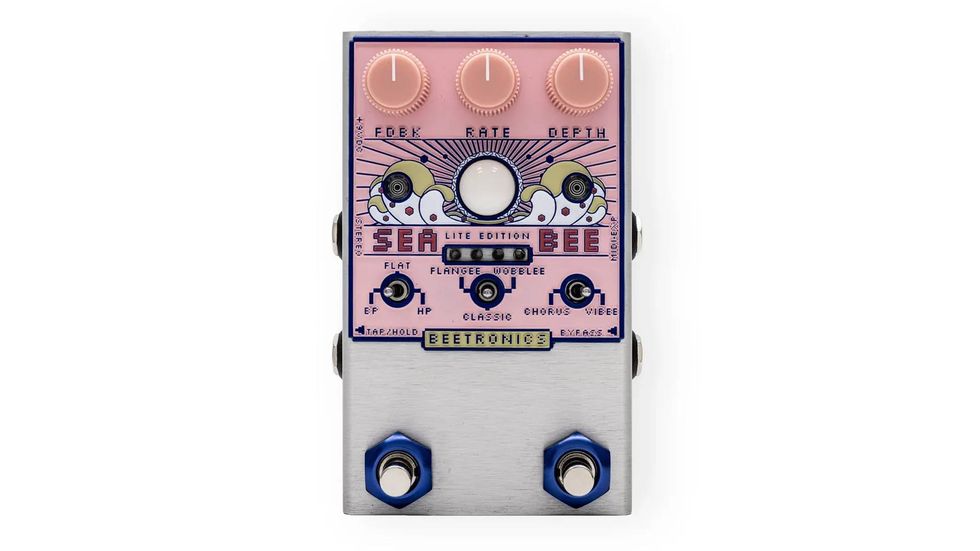
If you’ve never played a Beetronics pedal, the company’s extroverted design ethos might seem like a style-before-substance exercise. Nothing could be further from the truth. For starters, Beetronics’ wares are genuinely substantial in terms of quality. The brand is also inventive—and more than a little irreverent at times—when it comes to sonics.
Old Blood Noise Setback Review
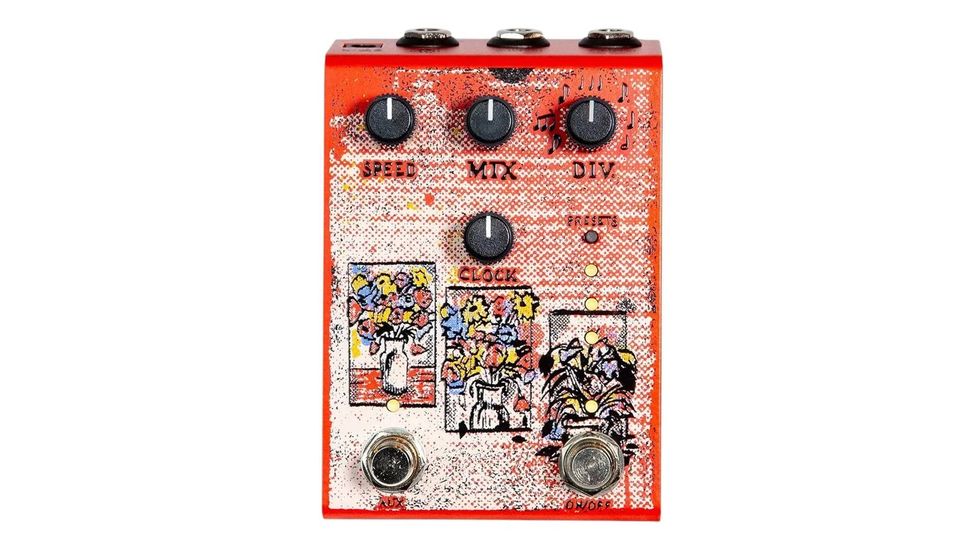
I have to resist reverse delay like most have to resist ice cream. A totally uninhibited version of myself would probably record multiple box sets’ worth of reverse-delay-based music given the chance. Old Blood's Setback reverse delay makes a project of that scope seem totally possible, too.
Keeley Tube Drive Review
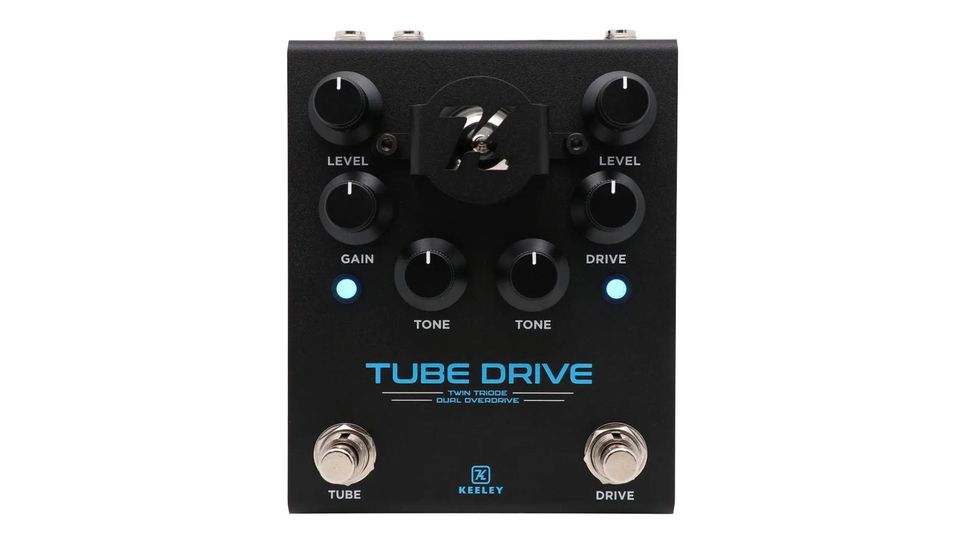
When I see an overdrive powered by a real tube, I’m predisposed to think about all those things that you associate with glowing tubes and overdrive—low-to-medium gain, warm, toasty, maybe even mellow tones. Keeley’s Tube Drive (which was originally issued in a limited edition of 100 fitted with 76-year-old Sylvania 12AT7s) dishes drive tones that are all those things, and sounds beautiful doing it. But the Tube Drive is made up of two sections. One is powered by a 12AX7 (alas, no ultra-rare antique tubes in this version.) The other is Keeley’s Phat Mod, a riff on the JFET Boss BD-2 Blues Driver, another circuit regarded as warm and responsive. Together, though, the two drive circuits expand each other’s range exponentially—right up to wicked saturated sounds that make a low-wattage combo more akin to a big British stack.
Mile End Effects Sofort, Si Fort Review
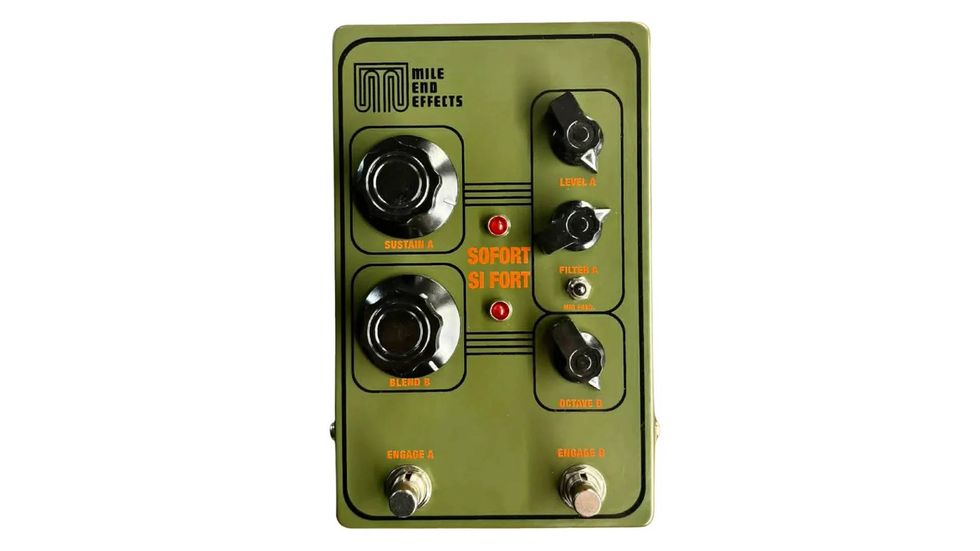
Mile End Effects does not do “subtle.” From art to enclosure to audio, Montreal builder Justin Cober’s pedals make big, bold statements. Even against a lineup of effect units that look and sound like Cold War-era machines of destruction, his latest creation, the Sofort, Si Fort, might just be the most devastating yet: a two-in-one design that combines a Sovtek Big Muff and Ampeg Scrambler elements.
Strymon Canoga Review
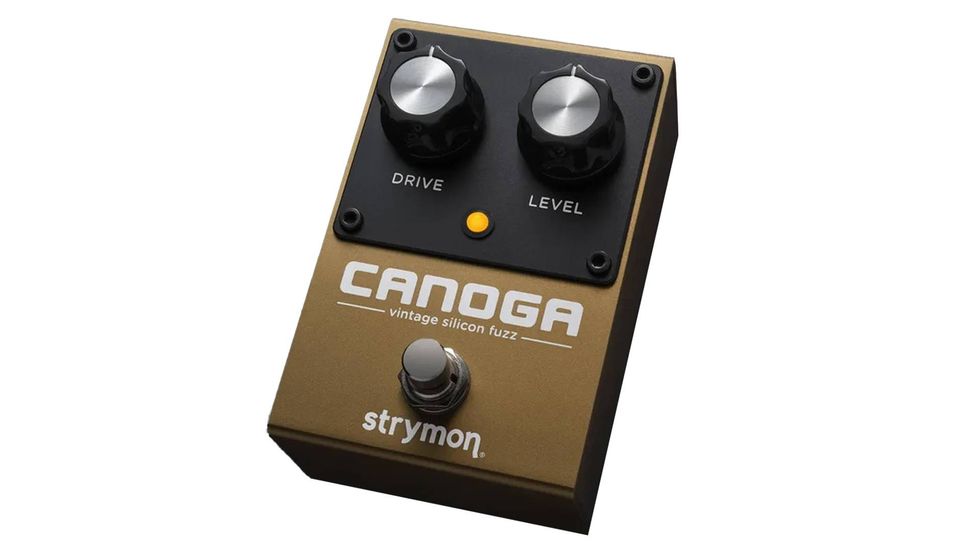
The Strymon name is commonly associated with fully featured, and sometimes complex, digital pedals. But if the company’s new analog endeavors are something of a surprise, they are already yielding promising results. The new Canoga fuzz emanates from some down-time/chill-out projects built by CEO and chief analog engineer Gregg Stock about a decade ago. But now it’s very real, and one of the first offerings from Strymon’s new all-analog, U.S.-built, Series A lineup.
Walrus Audio Highpoint Review
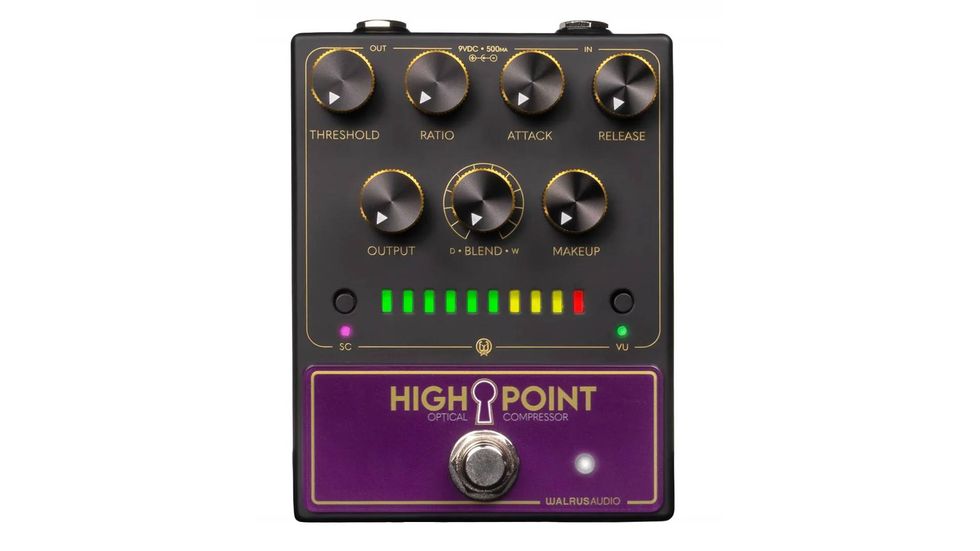
For some players, compression, and compression pedals, are exciting at a level just above a tuner or volume pedal—essential in some cases, but not the kind of thing that gets the blood pumping. For others, compression is an essential facet of their sound, perhaps even the core of it. For these players, the differences between compressors are meaningful and consequential, and separate a true creative device from a joyless, utilitarian tool. Walrus Audio’s Highpoint is more likely to appeal to players who see the painterly possibilities in a compressor. As an optical comp, it offers the smooth, fuzzy, non-linear glow that makes a good opto sound less sterile and bossy than a voltage controlled or FET compressor. It also has a control set that can get surgical. The $349 price reflects the pedal’s power and flexibility, and signals that this isn’t one for compression casuals. But while committed comp nuts might find the most to love here, less experienced users might be very surprised and impressed by what an asset the Highpoint can be.
Dominion Electric Filmotone Review
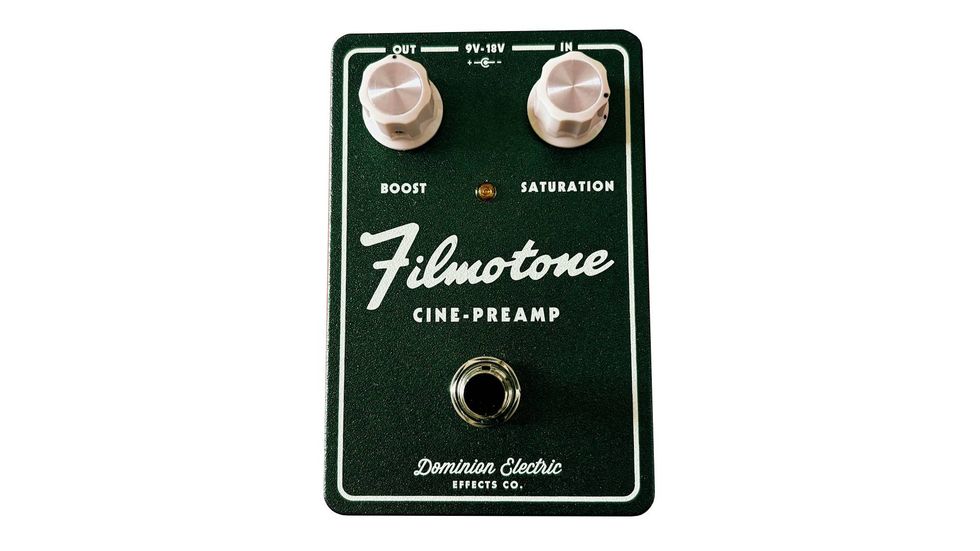
Aaron Sabourin runs Dominion Electric Effects Co., out of Ottawa, Ontario, as a one-man show, building effects using pricey, vintage parts when his day job permits him to. His Faceless Fuzz and Soul Power—inspired by the Fuzz Face and Hendrix’s screaming tone at Fillmore East circa 1970, respectively—are top-shelf recreations of common circuits that have been around for a long time. But it’s Sabourin’s commitment to using premium components in bomb-proof builds that make his pedals so coveted. His latest design, the Filmotone, strays a little further from the guitar-tone canon: It’s an effect pedal designed to approximate the sound and dynamic feel of a single-transistor preamp wrenched from the guts of a Bell & Howell Filmosound film projector.
Vox VFZ-1 Fuzz Review
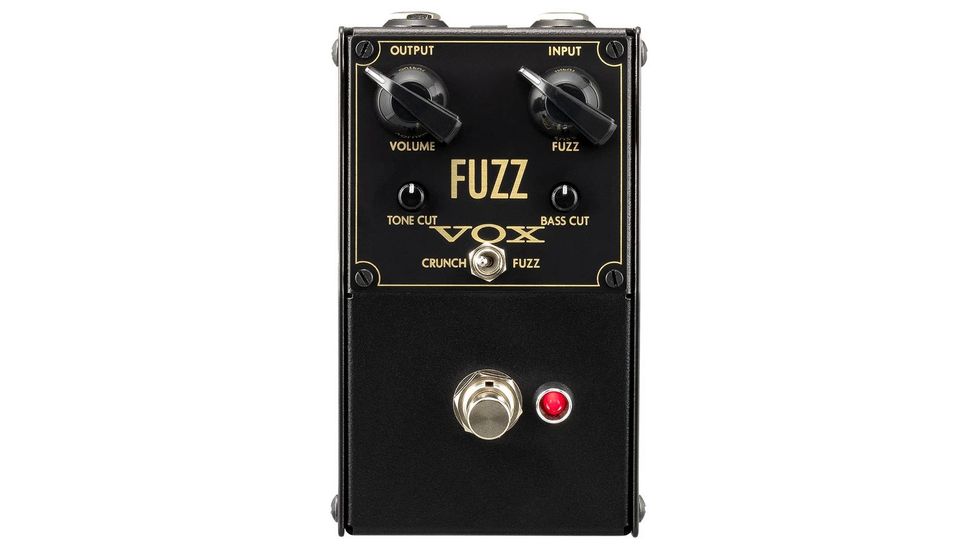
In design and engineering terms, a vintage fuzz is a comparatively basic thing. And most of the earliest vintage fuzzes evolved from common ancestry. But as we’ve discovered in the intervening years, even small differences in a simple design can mean profound shifts in performance and personality.
Tsakalis AC Master Review
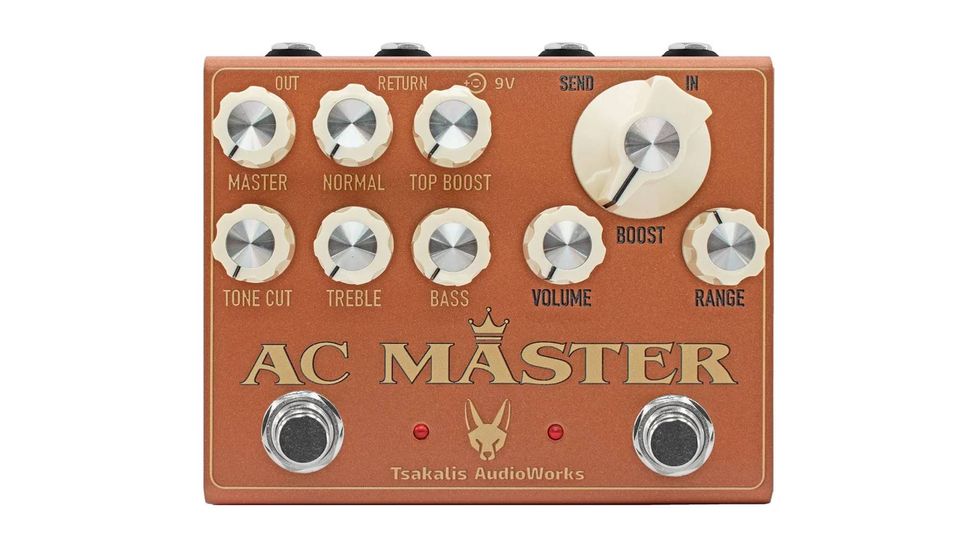
Amp-in-a-box pedals are a world unto themselves these days, spanning everything from digital simulations to discrete analog versions of amp topologies. Tsakalis AudioWorks of Piraeus, Greece takes the latter approach with their new AC Master. But here they couple a vintage AC30-based channel with a circuit inspired by the Dallas Rangemaster treble booster. As any fan of Brian May or Rory Gallagher will tell you, that’s a recipe that approaches perfection. But the AC Master’s tone-shaping power doesn’t stop with the addition of the treble booster. The pedal’s amp section also features approximations of an AC30’s top boost and normal channels, which can be blended with each other to create more complex drive textures. It all adds up to an impressive and varied array of Vox-style sounds in a single pedal.
Supercool Pedals Spritz! Saturator Review
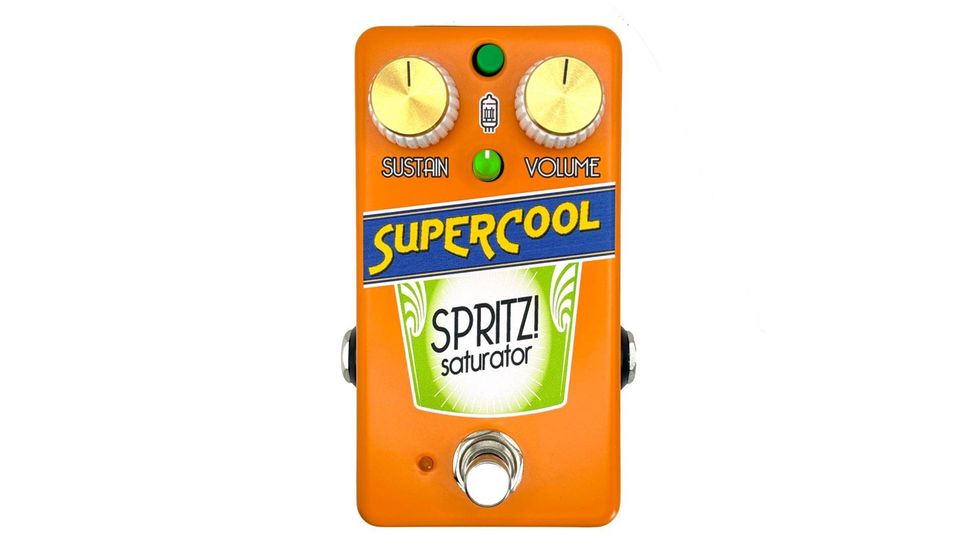
Supercool Pedals, based in Peterborough, Ontario, released the original Spritz compressor, a simple 2-knob pedal, back in 2022. Earlier this year, builder Jamie Muir overhauled that design and released the Spritz! Saturator, adding a “tube simulation” overdrive circuit with its own discrete controls in addition to the familiar dual-knob setup. Like its titular drink on a hot summer afternoon, the Spritz! Saturator is a refreshing, invigorating treat.
EarthQuaker Scrolls Bass Odyssey Review
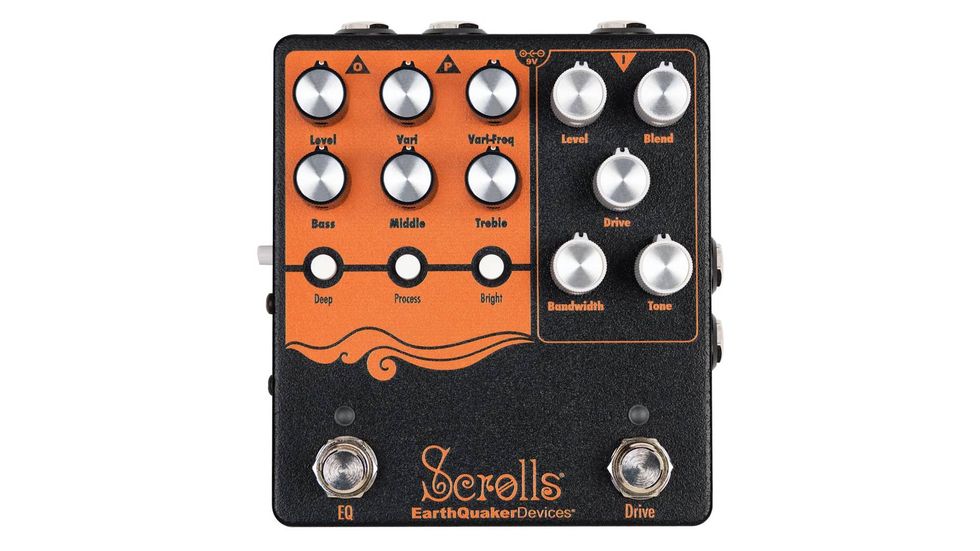
I thought I had everything a gigging bassist could possibly need. I usually get a pretty solid bass tone, the players and clients I engage with generally like it, and I tend to feel pretty good about my EQ choices. Some instruments I like to run direct, without much tonal color. Others I run through an amp, where I can get plenty of it. Between the two, I figured I had any session covered.
Jackson And Phil Collen Collaborate With New Pro Series Signature PC1-E
Jackson introduces the Pro Series Signature Phil Collen PC1™-E, the latest chapter in a nearly four-decade collaboration with Def Leppard guitarist Phil Collen. Since debuting his first Jackson signature model in 1989, Collen has developed four distinct signature instruments with Jackson, each evolving alongside his playing and creative needs. The new PC1-E marks the next evolution of Collen’s longtime PC1 and brings the model to the Pro Series for the first time.
“Being relic’d, my signature PC1-E is worn in, but it is definitely not worn out,” said Phil Collen, Jackson signature artist. “It has many of the qualities of my vintage PC1s, like the pickup, compound radius fingerboard and Floyd Rose, wrapped in a beautiful aesthetic that delivers. I’m loving it, and I can’t put it down.”
As one of Jackson’s longest-standing signature artists, Collen’s relationship with the brand has evolved alongside his career, spanning instruments including the Phil Collen PC Archtop, PC1, Custom Shop PC Supreme and PC1 Ninja. Each has reflected Collen’s evolving needs as a player, with the new Pro Series PC1-E marking the latest chapter in that collaboration. This model brings key elements of his longtime signature instrument to the Pro Series for the first time and reflects Jackson’s ongoing commitment to making premium, artist-driven instruments accessible to guitarists at every level. The launch follows another milestone for Collen and Def Leppard, who were recently honored with a star on the Hollywood Walk of Fame.
“Phil is one of Jackson’s longest-standing artists and has played an important role in our history,” said Jon Romanowski, VP of Product, Jackson. “Our relationship has always been truly collaborative. Phil regularly visits the factory to work with our team as his instruments continue to evolve, and he’s become part of the DNA of Jackson over nearly four decades. The PC1-E is a meaningful next chapter in that relationship, bringing his signature instrument to a new generation of players.”
The Pro Series Signature Phil Collen PC1-E is engineered for players looking to channel Collen’s rock legacy. Featuring a road-worn finish, this is Collen’s first signature available outside the Custom Shop, bringing his sound to a wider range of players.
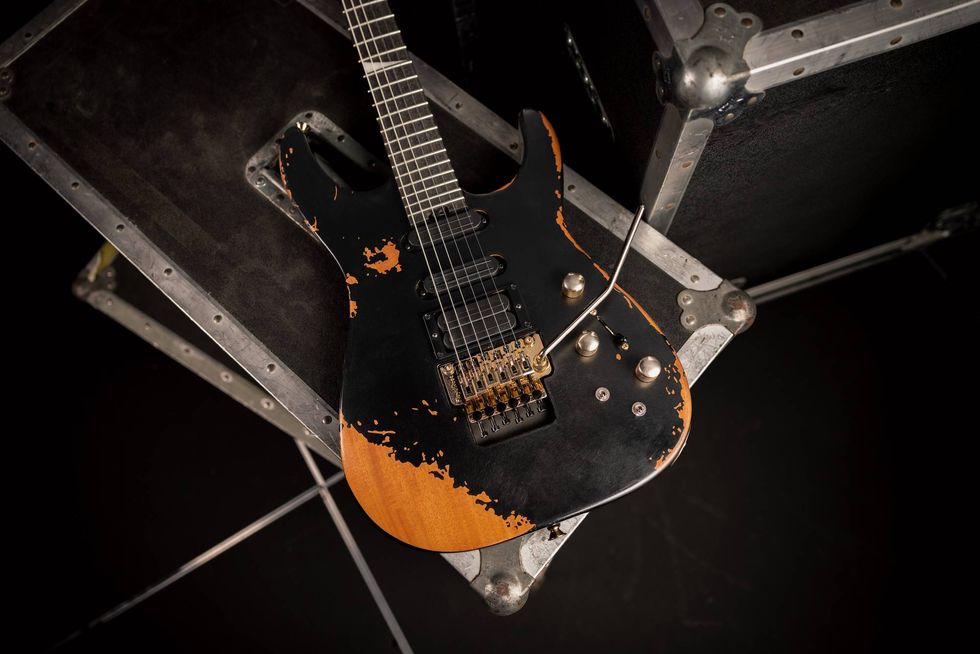
Key features include:
- Floyd Rose® 1000 Series Tremolo – For Phil’s dive bombs and string bends, the Floyd Rose delivers unwavering tuning stability.
- PC1 Sustainer Driver Neck Pickup with 18V Battery System – Available at the flip of a switch, this feature powers Phil’s live performances, letting him sustain notes indefinitely for expressive depth in every solo.
- Genuine Mahogany Body – Infuses Phil Collen’s signature guitar with a warm, resonant tonal foundation, providing the durability he needs to deliver consistent tone night after night on tour.
- Black Distressed Finish with Gold Hardware – This road-worn aesthetic with gold hardware adds a striking contrast on stage.
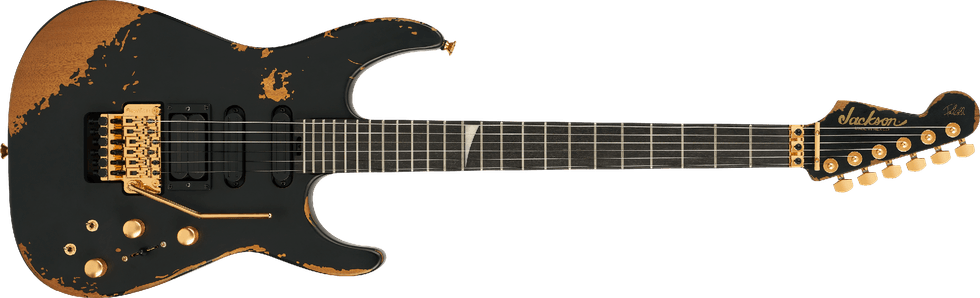
Pro Series Signature Phil Collen PC1™-E (MSRP: $2,199.99 USD, £1,699 GBP, €1,999 EUR, $3,499 AUD, ¥330,000 JPY) Phil Collen has wielded Jackson since 1986, and the Pro Series PC1™-E carries on the legacy of his landmark PC1 Dinky® — one of Jackson's first artist collaborations. Features a mahogany body, caramelized maple neck with graphite reinforcement and ebony fingerboard with compound radius and 24 jumbo frets. Loaded with a DiMarzio® X2N® bridge humbucker, DiMarzio Sugar Chakra™ middle and the PC1 Sustainer Driver (18V) for infinite sustain. Push-pull coil splitting, Floyd Rose® 1000 Series tremolo with locking tuners, black distressed finish with gold hardware and foam core case included.
BOSS Releases EX-4 Effects Expander
BOSS announces the EX-4 Effects Expander, a powerful compact effects processor that infuses any pedalboard setup with a massive boost in sonic versatility. Modern players carefully curate their pedalboard builds, and every slot must earn its place. Offering a large selection of classic BOSS effects in a space-saving design, there’s no better utility pedal than the EX-4. It’s ideal for musicians who love to experiment with effects, and an essential toolbox for anyone who needs to cover many songs/styles or build professional sounds on the fly.
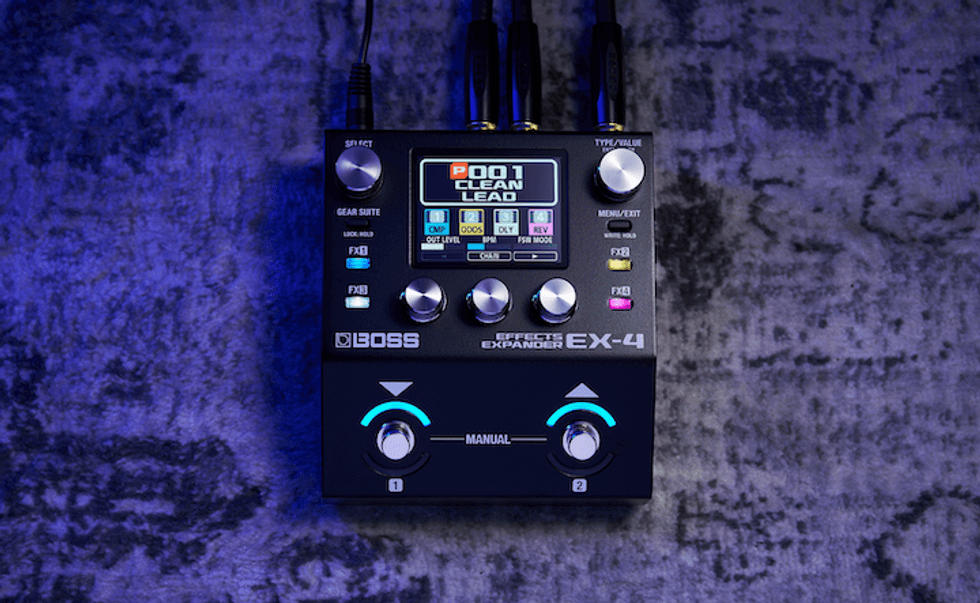
The EX-4 delivers up to four simultaneous effects from a vast onboard library. Every major category is available among the 120 effect selections, including overdrive and distortion, modulation, delay, and reverb, as well as bass-tuned effects and unique BOSS favorites like Slow Gear and Slicer. Dedicated utility blocks can be placed anywhere within an effect chain—including foot volume, two noise suppressors, send/return, and divider/mixer—and there’s also a global EQ for overall sound shaping.
The EX-4’s Gear Suite feature makes it quick and easy to call up ready-to-go sounds. Each effect type comes with multiple pre-made Gear Suite settings with professionally tuned parameters, all available with the turn of a knob. It’s also possible to edit effect parameters and save favorites in user locations for instant access to personalized setups.
A full color 2.4-inch display provides clear viewing of the full effect signal chain, individual effect blocks, editing options, menus, and more. Four dedicated FX buttons allow users to turn effect blocks on/off with a single press and access editing parameters with a long press. In addition, the FX button colors match each effect's display colors for easy identification.
The EX-4 features rugged dual-function footswitches that can be custom-configured system-wide or per memory, with assignments that include effect block on/off, memory up/down, master bypass, tap tempo, and more. A newly designed color LED system surrounds the footswitches, allowing users to clearly identify current footswitch functions while performing.
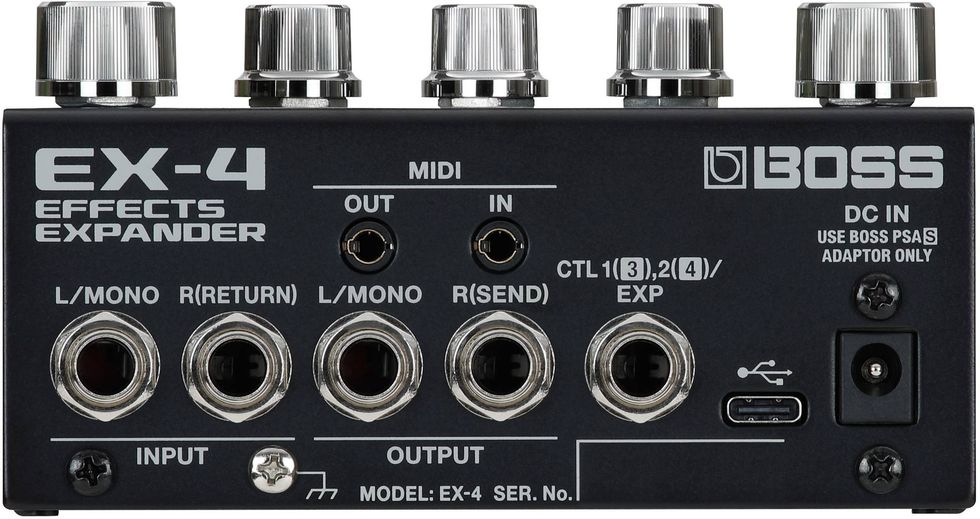
Four audio jacks provide mono or stereo connectivity, with the option to use two jacks as an effect loop to place external pedals anywhere within the EX-4's effect chain. Two footswitches or an expression pedal can be connected for more real-time control, while low-profile TRS MIDI I/O unlocks deep integration with other MIDI pedals, switching systems, and external clocking devices.
To learn more about the EX-4, visit www.boss.info.
Availability & Pricing The BOSS EX-4 will be available in October for $299.99.
Boys Noize Announces New Album 7LLUSION Release Nov. 6, 2026 Via Ones & VIA ONES and ZEP
Press Release
Source: Gold Atlas
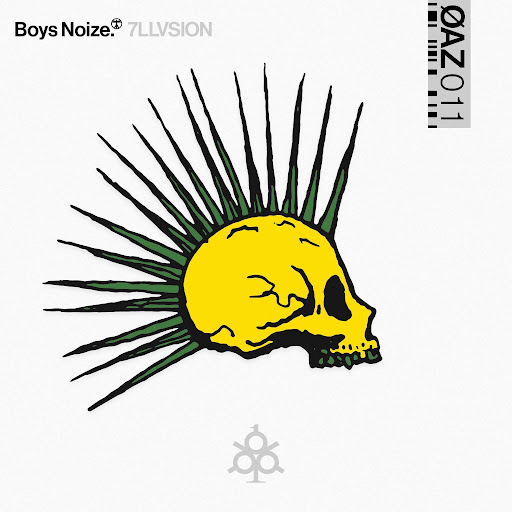 Many have said, Boys Noize is on a “generational run,” but this is inaccurate. Yes, there was a world tour with Nine Inch Nails last year, Boys Noize’s co-production of the TRON: Ares soundtrack, and the top-billed, critically exalted Coachella debut of the artists’ collaborative project Nine Inch Noize before the drop of their self-titled LP. That was in April. Then came a summer of non-stop Boys Noize performances in clubs and festival main stages on multiple continents.
What’s next, however, complicates things.
Boys Noize will release 7LLVSION – his first solo album in five years – this fall, with the ZEP-fronted single “1+1+1” announcing its arrival. Expect the full 7LLVSION album track listing to come shortly, but besides ZEP, other artist features include Brutalismus 3000, Taichu, Maya Alkhatari, Abra etc..The track “1+1+1” drives an intimidating, key-shifting EBM bassline over a hyperactive new wave backbeat, a sound both positively fresh and decidedly analogue, occupying an uncanny valley between raw and processed, past and future. Rather than being the default metronome, four-on-the-floor kicks arrive to signal the transition from mosh pit to dancefloor with electrifying results.
After exploding out of Rotterdam’s underground scene, Dutch artist and multi-instrumentalist ZEP has built a rapidly expanding world of precision-tuned chaos. Here, ZEP is the industrial ringmaster, the tone of his voice shifting with unpredictable urgency as he snarls, wails, and shouts. The lyrics allude to a guest list gone wild, but “1+1+1” also suggests the duo is greater than the sum of their parts. Add it up, and you get a track that sounds like no one – and nothing – else.
With “1+1+1” offering a taste of what the 7LLVSION LP will bring, it’s clear that Boys Noize is on a multi-generational run. Then again, hasn’t he always?
ABOUT BOYS NOIZE:
Boys Noize (Alex Ridha) is a singular figure in 21st-century electronic music culture. The German-Iraqi artist, DJ, producer, and composer embraces and transcends contradictions—a cross-genre bridge-builder respected by techno purists, and a global headliner who never left the underground. Ridha is masterful on the decks and inimitable in the studio, crafting songs for strikingly diverse talents including A$AP Rocky, Bon Iver, Frank Ocean, Arca, Virgil Abloh, Lady Gaga, and Brutalismus 3000. He has been featured alongside Keinemusik, Shygirl, Kelsey Lu, Rico Nasty, and VTSS; remixed Daft Punk, Depeche Mode, Miley Cyrus, Tame Impala, The Chemical Brothers, and A.G. Cook; and scored the hit German hacker film Who Am I (2014), Oliver Stone’s Snowden (2016), and the forthcoming Replacer, starring Halsey. He co-founded the duo Octave Minds with Chilly Gonzales, and actively produces and performs with Skrillex as Dog Blood.

ZEP & Boys Noize
For Ridha, this long, accomplished career was merely the foundation for something bigger. In 2025 and 2026, Boys Noize performed alongside Trent Reznor and Atticus Ross throughout Nine Inch Nails’ Peel It Back tour, and co-produced the near-entirety of the TRON:Ares soundtrack, including the GRAMMY® Award-winning single “As Alive As You Need Me To Be.” The trio’s collaboration was formalized with the announcement of Nine Inch Noize, debuting with a top-billed, viral Coachella set that SF Gate called “one of the festival’s greatest performances of all time.” The Nine Inch Noize LP was released the same week to critical acclaim. Perhaps Pitchfork’s review said it best: “Every song on the album slaps.”
As a solo artist, Boys Noize continues to be an active presence in the culture, with his eighth solo album 7LLVSION arriving in the fall of 2026. Throughout his rise from clubs to festivals to stadiums, Ridha has ceaselessly supported the underground through his labels Boysnoize Records and the recently launched ONES and ZEROS, focusing on a new generation of global talent from the Global North and South alike. His punk ethos has kept him fully independent, raw talent keeps him in-demand, and obsession keeps him future-proof. No other artist traverses musical worlds like Boys Noize, and while his sound cannot be replicated, his formula is simple: embrace everything, compromise nothing.
ABOUT ZEP:
ZEP is a Dutch artist, producer, and multi-instrumentalist known for his raw energy, boundary-pushing sound, and uncompromising DIY ethos. Emerging from Rotterdam’s underground rave scene, where he built a devoted following through his independently organized “FUGAZZI” parties, the drummer, DJ, and producer turned singer-songwriter has developed a singular style that fuses rap, punk, hardcore, techno, and R&B into something entirely his own. Fully hands-on across both his music and visuals, ZEP writes, produces, co-directs, and edits much of his creative output, pairing high-impact sonics with a distinctly self-made visual identity. On his latest project, NO ENEMIES, released via PULSE Records, ZEP balances fierce individuality with a broader message of connection, self-awareness, and togetherness.
BOYS NOIZE ON TOUR
September 26 – San Francisco, USA @ PORTOLA – DOG BLOOD (= BN + Skrillex)
September 26 – San Francisco, USA @ PORTOLA AFTER PARTY
September 27 – San Diego, USA @ CRSSD FEST
September 27 – San Diego, USA @ CRSSD AFTER DARK
October 02 – Porto, PT @ SWITCH CLUB
October 03 – London, UK @ THE CAUSE – OAZ TAKEOVER
October 09 – Bologna, IT @ ROBOT FESTIVAL
October 10 – Malaga, ES @ BRUNCH ELECTRONIK
October 16 – Paris, FR @ MIA MAO – OAZ TAKEOVER
October 23 – Barcelona, ES @ NITSA – OAZ TAKEOVER
October 24 – Amsterdam, NL @ MELKWEG – OAZ TAKEOVER
October 30 – Alameda, USA @ GOLD BAR HANGAR
November 06 – Phoenix, USA @ OBSIDIAN
November 07 – Mexico City, MX @ ULTRA MUSIC FESTIVAL
November 08 – Orlando, USA @ EDC ORLANDO
November 14 – Miami, USA @ FACTORY TOWN
November 28 – Zhuhai, CN @ VAC FESTIVAL
December 28 – Perth, AU @ RADAR FESTIVAL
December 30 – Hesse, AU @ BEYOND THE VALLEY
December 31 – Sydney, AU @ ABERCROMBIE (TBC UNDER EMBARGO – till?)
January 01 – Sydney, AU @ FIELD DAY
January 01 – Melbourne, AU @ LET THEM EAT CAKE
January 02 – Brisbane, AU @ RADAR FESTIVAL
LINKS:
https://instagram.com/boysnoize
https://www.instagram.com/whatszep
https://www.tiktok.com/@whatszep
https://www.youtube.com/@whatszep
“Now I’m the guy who wants to do more gigs!”: How Rush’s Alex Lifeson has “fallen totally in love” with touring again
![[L-R] Alex Lifeson, Anika Nilles and Geddy Lee of Rush](https://guitar.com/wp-content/uploads/2026/09/Rush-new-hero@2000x1500.jpg)
Alex Lifeson is now fully in the swing of Rush’s Fifty Something reunion tour, having played a string of shows across the US and Canada since June alongside his longtime bandmate, bassist Geddy Lee, with drummer Anika Nilles in tow.
But that’s not to say he didn’t have his reservations about reviving Rush and heading back out on tour at first.
The trek – which is scheduled to continue through April 2027 – marks the first time Rush have toured since the tragic passing of longtime drummer Neil Peart in 2020. Lifeson and Lee voiced concerns over performing without Peart before the tour was finalised, with Lee saying last year: “It took time for us to even contemplate.”
“This is a relatively recent decision, and I would say it was kind of out of the question for the longest time because of those circumstances – and how do you replace someone who’s irreplaceable?” he continued.
But further trepidation came in the form of concerns over their physical ability to perform.
“I think all the fears that I had starting out, whether physically I would be up to it, whether my hands would work as well as I expected,” Lifeson says in a new interview with Q’s Tom Power [via Blabbermouth].
“Once we started playing and I felt confident and good about my physical condition, I really fell in love with it. I love the songs, I love playing with Anika. Anika’s a brilliant musician, and she’s a wonderful person. She has a great sense of humour. We’ve become really quite close in the two years that we’ve been working with her, ‘cause it’s been a while. So I’m really, really excited.
“I have to admit that maybe I wasn’t quite so excited when it was just a concept. I had reservations about it, mostly health-related reservations. But I got my health in order, relatively. And the key was to be able to play the way I felt I needed to play. So, I’ve just fallen totally in love with it. And now I’m the guy who wants to do more gigs.”
Geddy Lee adds: “It was a very unlikely thing that we would be back to play together, and of course, at the age that we are which I will not say out loud [73, sorry Geddy], there’s a lot of fear.”
“It’s the fear that you’re not going to be as good as you were, the fear that you’re gonna let people down. And that is not how you honour your fallen comrade by letting people down. So there was a lot of pressure on our shoulders to be as good as, if not better than, we have ever been, and put a show together that would do his tribute justice.”
He continues: “Neil’s presence is always there… We pay tribute to him during the show, of course, and I try to tell stories about him and try to give people a look behind the songs as to how they came together and what we feel about each other and him.”
Rush’s Fifty Something reunion tour continues. Head to the band’s official website for tickets.
The post “Now I’m the guy who wants to do more gigs!”: How Rush’s Alex Lifeson has “fallen totally in love” with touring again appeared first on Guitar.com | All Things Guitar.
“There’s no better utility pedal”: BOSS reveals the EX-4 Effects Expander, a powerful multi-effects unit that might just make you radically rearrange your pedalboard

“There’s no better utility pedal.” That’s how effects giant BOSS is describing its latest multi-effects pedal, the EX-4 Effects Expander.
Offering a massive library of 120 effects in a compact design – spanning everything you’ll need from overdrive and distortion to delay, reverb and modulation, as well as bass-tuned effects and other BOSS classics like the Slow Gear and Slicer – the EX-4 is described as an “essential toolbox” for guitarists looking to “build professional sounds on the fly”.
And players can choose to deploy up to four of the 120 onboard effects simultaneously, with dedicated utility blocks also available including foot volume, two noise suppressors, a send/return, a divider/mixer and even a global EQ for overall tone shaping.
A huge part of the fun of guitar pedals is dialling in your own tones from scratch. But sometimes you just want to plug in and play. The EX-4 caters to this desire, too, with a Gear Suite offering multiple “professionally tuned” presets for each effect. Players can also edit parameters and save their own presets.
In terms of user interface, the EX-4 sports a full-colour 2.4-inch display, where guitarists will see their full effects chain, individual effect blocks, editing options, menus and more. Meanwhile, four dedicated FX buttons allow users to switch off effect blocks with a single press, while accessing editing parameters with a long press. In a new UX touch, the FX button colours match each effect’s display colours for easy identification.
 Credit: BOSS
Elsewhere, the unit features dual-function footswitches that are as rugged as BOSS users have come to expect. These can be custom configured system-wide or per memory, with assignments that include block on/off, memory up/down, master bypass, tap tempo and more.
Regarding I/O, you’ve also got four audio jacks offering both mono and stereo connectivity, with the added option of using two jacks as an effects loop to position external pedals anywhere within the EX-4’s effects chain. Meanwhile, two footswitches or an expression pedal can be hooked up for additional real-time control, while there’s also TRS MIDI I/O, too, for integration with external MIDI pedals and switching systems.
 Credit: BOSS
Price-wise the EX-4 will be available from October 2026 for $299.99.
Learn more at BOSS.
 Credit: BOSS
The post “There’s no better utility pedal”: BOSS reveals the EX-4 Effects Expander, a powerful multi-effects unit that might just make you radically rearrange your pedalboard appeared first on Guitar.com | All Things Guitar.
Polyend Introduces Polyend Loop
What is a PLEK machine anyway? And can it really make your guitar play and feel better?

Chances are if you’ve bought a new guitar over the last few years, you might have read something about a “PLEK” machine and how (usually for a small fee) your shiny new instrument can be run through this process.
- READ MORE: Does tonewood really matter? This is how the wood your guitar’s made of affects the sound
But what actually is it? Often, I see people who just ticked ‘yes’ without really understanding what it was – no harm in that of course, but it’s always worth knowing what something is before you entrust your new guitar to it!
In simple terms PLEK is a computer-controlled fret-processing system that scans a guitar neck, builds a detailed digital model of its geometry, and machines the frets to a target setup specified by the operator. In this article we’ll discuss what a PLEK actually does and whether it’s worth the money.
 Image: Press
So what does a PLEK machine do anyway?
The PLEK was developed in Germany in the 1980s. The machines are built by A+D Gitarrentechnologie in Berlin, and the technology traces back to musician Gerd Anke and his partner Michael Dubach, according to Gibson’s own writeup of the process.
At its core it’s a CNC system (similar to the machines that often do a lot of the cutting work in modern guitar factories) bolted to a very smart scanner. The scanner maps the geometry of the neck and frets in microscopic detail, then uses a rotary cutter to remove only the material needed to hit the exact fret profile the operator has dialed in.
It scans under string tension, real or simulated, so it reads the neck the way it behaves when you’re actually playing rather than the way it sits flat on a bench with the strings off. That’s straight from PLEK’s product documentation.
Martin Guitars drops the finished guitar into a string tension simulator that makes the neck and truss rod react as if it’s strung to pitch before the scan even begins. This is in contrast to how I do it in my shop, which is to, essentially, take the strings off, get the fret leveler out and, guestimate.
The machine scans first, registering thousands of points to build a digital picture of fret heights, neck relief, and the surface of the fingerboard under each string. The software then runs what PLEK calls a Virtual Fret Dress, a simulation that shows which frets are high, which are low, how much material has to come off to kill any buzz, and what the neck will look like once the work is done.
A properly equipped machine will level and crown frets, plane a fingerboard, cut nut slots to precise depths, and handle saddle and bridge slotting on top of that. I visited the Gibson factory a few years ago and their version flags whether the truss rod needs a tweak before the process starts, then factors in string gauge, scale length, and neck curve when it cuts the nut.
Can a PLEK machine replace a guitar tech?
There’s a popular assumption that this replaces a luthier or tech – it doesn’t. It doesn’t decide anything about how your guitar should feel. A person sets the target action, the relief, the nut height, the fall-away on the upper frets, and whether the frets even need touching in the first place.
PLEK says as much in their own marketing – the machine can’t stand in for the judgment and hands of the person running it. Gibson, which runs all of its USA and Custom Shop lines through one along their journey to quality control, admits the cutter leaves machining marks that still need hand finishing to reach their standard. In short, a PLEK is a tool, and just like any other tool, it’s only as good as the person running it.
 Image: Press
What can a PLEK machine do and not do?
The PLEK handles uneven frets, buzz from high or low spots, worn frets that still have enough meat left to level, sloppy factory fretwork, and precision refrets well. That’s the lane it lives in. But if the neck is badly warped or twisted, the frets are worn down too far, the truss rod is dead, the frets are loose in their slots, or the scale length is off, the machine can’t rescue any of that.
A factory-PLEK’d guitar isn’t automatically dialed in, either. Gibson, Martin, Taylor, and plenty of boutique builders run PLEK on the line, and it does raise the floor on consistency. But a factory sets a guitar up to a general spec, and that spec has no idea about your string guage, tuning, playing style, or how you prefer your guitar to be set up. The idea that a factory PLEK means you’ll never need another setup is simply wrong.
How much does a PLEK cost, and is it worth it?
A PLEK fret level and setup usually runs a couple hundred bucks, with most US shops landing in the $250 to $350 range. In Europe, it tends to be slightly cheaper there, depending on the shop – Thomann charges about £190 for a basic level and setup.
A fret level, crown, and polish from a tech typically costs between $100 and $250, depending on your location, instrument, and the tech. A tech can also do spot leveling if you only have a fret or two that’s bad and that’s usually only $25 a fret or so. In any case, stainless steel frets usually result in an upcharge of some sort because it’s a harder material to work with.
My advice to any customer is to spend the money if the guitar needs fret leveling anyway, if they’re already paying for a refret, if it’s an expensive instrument, or if they want unusually low action without buzz.
I’d tell them to skip it if the guitar just needs a standard setup, the frets are already level, or it’s a cheap beater where the service costs more than the guitar is worth. The rougher the fretwork going in, the bigger the improvement coming out.
The biggest misconception is that a PLEK somehow transforms an average guitar into a miracle instrument. It doesn’t. A great PLEK job simply removes mechanical limitations that were already there – so be aware and you know what you’re getting into!
The post What is a PLEK machine anyway? And can it really make your guitar play and feel better? appeared first on Guitar.com | All Things Guitar.
Sterling Announces The Stingray II In Collaboration With Cory Wong
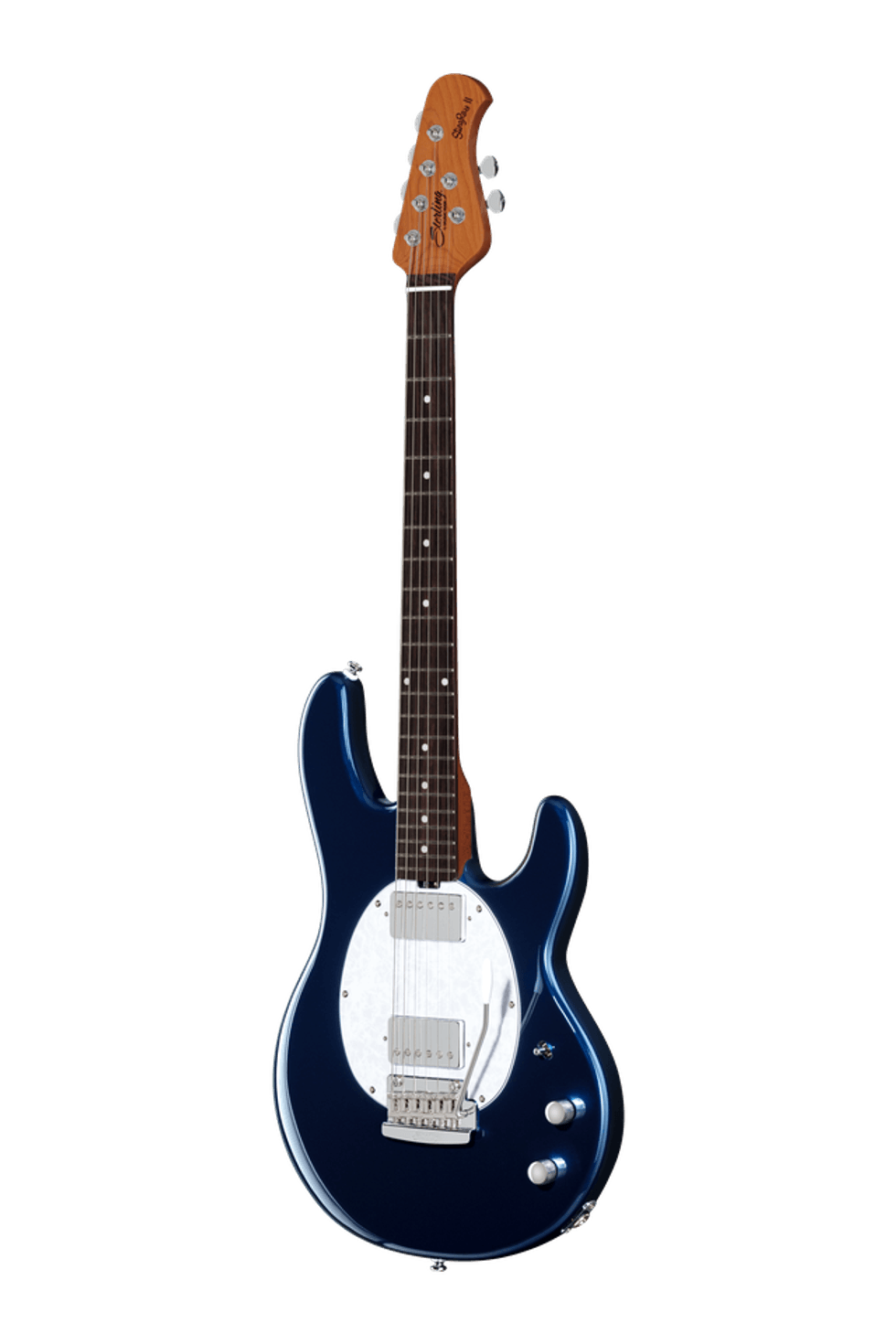
Sterling today announced the StingRay II, developed in collaboration with acclaimed guitarist Cory Wong, best known for his work with Vulfpeck and Fearless Flyers, as well as his extensive career as a solo artist, producer, and collaborator. This highly anticipated model marks the debut of the StingRay II in the Sterling lineup, bringing the guitar design to a more accessible price point.

Inspired by the iconic StingRay bass, the StingRay II guitar carries forward the distinctive design elements that made the bass so beloved, including its signature ergonomic body, oval-shaped pickguard, and oversized headstock, while reimagining the design specifically for guitarists.
Featuring a double-contoured alder body and roasted maple neck, the StingRay II is designed for comfortable playability and unrestricted access to the upper frets. Dual humbuckers voiced for versatility deliver a full low end and punchy highs, offering a dynamic range of tones suited to a wide variety of playing styles. A 3-way toggle switch and dedicated volume and tone controls provide intuitive control over the guitar's sound.
A vintage-style tremolo and locking tuners, paired with the roasted maple neck, deliver an exceptionally smooth and stable playing experience. The result is a complete package built for clarity, versatility, and precision in every performance.
“I am known by a lot of people as somebody who plays a single-coil guitar. That’s a big part of my sound. But there was a lack of just a fatness in some of the things I wanted to play. So I was talking to the cats at Music Man about what kind of humbuckers they had, and they’re like, ‘Well, we’re talking about maybe doing the StingRay thing, so why don’t you just help us with the design process?’ I was telling them the things I was looking for sonically and visually, and the collaboration was born,” said Cory Wong.
“I have more to work with now. I have more colors to paint with. I really hope people are inspired to just pick this instrument up and make new music that they haven’t played before. Everything from hard rock, indie rock, alt rock to jazz and R&B.”
The StingRay II is priced at $749.99 and will be available at sterlingbymusicman.com and through dealers worldwide. For more information on Cory Wong, visit corywongmusic.com.
Flattley Pedals Introduces the “Reaper”
Sleaford, England – Flattley Pedals has introduced the “Reaper”, the company’s special 10th Anniversary Edition celebratory pedal.
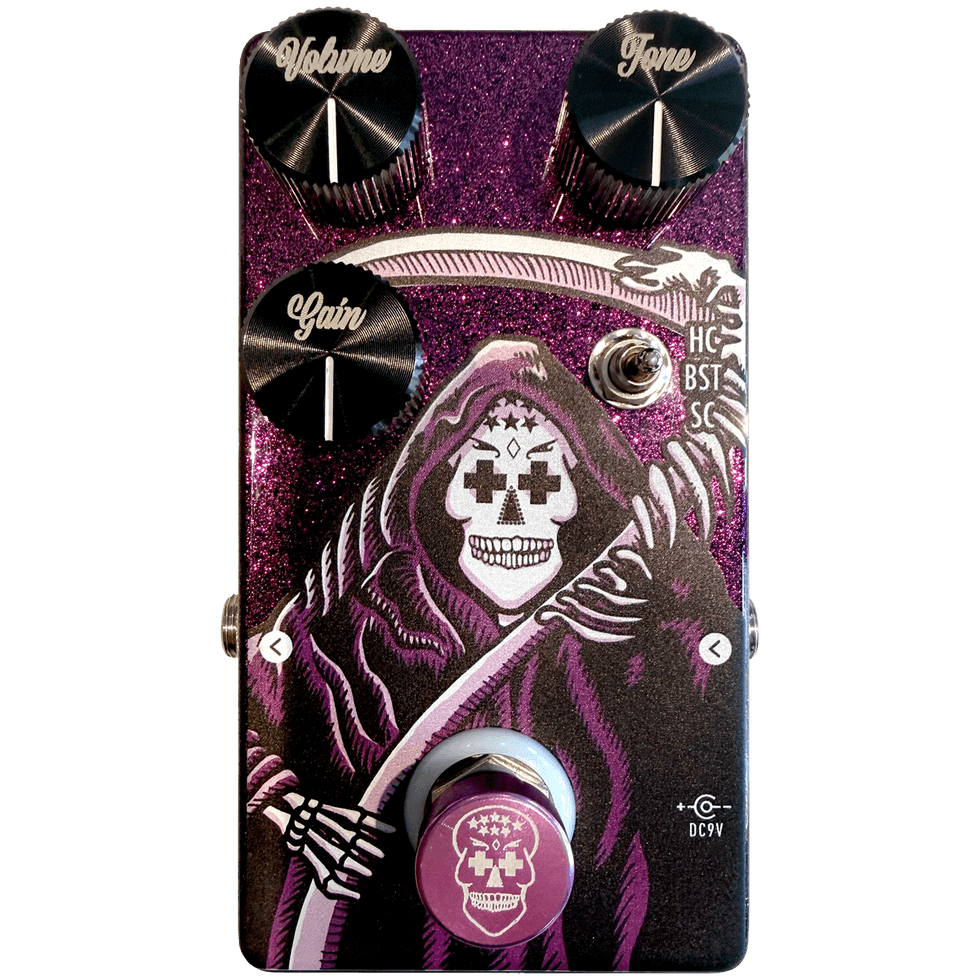
In continuance of Flattley Guitar Pedals 10th anniversary year celebrations, the company has revisited its first ever production pedal “Reaper” created ten years ago but with a twist. The original Reaper product was an overdrive/distortion pedal with a rotary switch that could select variations in the components that were used in the feedback loop of an op amp to give a range of tones.
The Reaper Dual Mode Distortion Anniversary Edition pedal takes a different approach by having both hard and soft clipping around a similar op-amp core but voiced to be more aggressive than the original. The op-amp core is a bit of a nod to rodent related pedals that we have never explored before.
As well as the two clipping modes there is also a boost mode that removes both methods of clipping to give a mode that can push the amplifier preamp into saturation. The company warns that this can get very loud. The gain control has been chosen to be able to force the clean boost to clip as well when approaching maximum.
All of these modes are selected by a three-way toggle switch. This Anniversary Edition features vintage glass envelope germanium diodes for hard clipping, and asymmetric clipping using an LED and conventional silico diode to give a wider range of tones from this versatile pedal. Additional controls set the effect output volume, the overall gain and a tone control that can be used to tame the high end harmonics created by the various clipping modes.
The pedal’s purple halo light rings installed diffuse the light when playing live, so you can avoid being blinded by standard LEDs, and a purple laser etched aluminium foot topper gives you more real estate for contact when switching the pedal on and off during quick changes when playing live.
All Flattley "Platinum Range" pedals are hand processed in Flattley’s paint shop, with a strikingly unique finish.
The Reaper includes this control set:
Toggle Switch:
HC= Hard Clipping
BST=Boost Function
SC= Soft Clipping
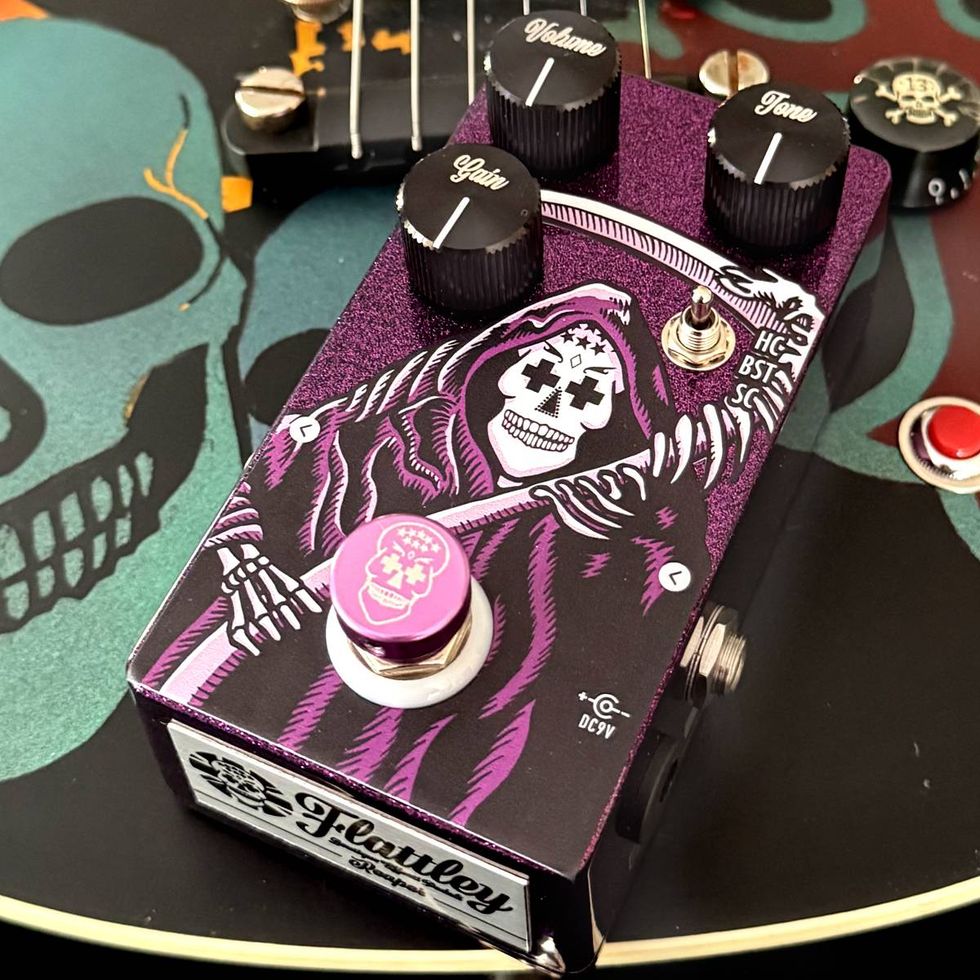
Reaper Controls
- Volume: Controls the overall output level.
- Gain: Controls the amount of gain/overdrive
- Tone: Controls the amount of treble/bass
Other features include:
- 9-volt external power operation (no internal battery option)
- 20mm black anodised aluminium custom etched control knobs
- Purple halo light rings installed
- The Reaper comes with a purple custom etched aluminium foot topper
All Flattley pedals are handmade and hand wired in the UK using the highest quality components.
The Flattley Reaper carries a street price of $319/£259/€319. For more information visit flattleyguitarpedals.com.
Rig Rundown: The Barbarians of California
PG’s Chris Kies met up with the Barbarians of California at the Exit/In in Nashville, one show into a tour behind their second record, Megatons. Eric Stenman, Zach Irons, and Dave Amezcua walked through a setup shaped by fly dates, borrowed backline, and a band with no techs. Have a look at some quick highlights below, and tune into the new Rig Rundown for all the details.
Brought to you by D’Addario.
Good Hammer
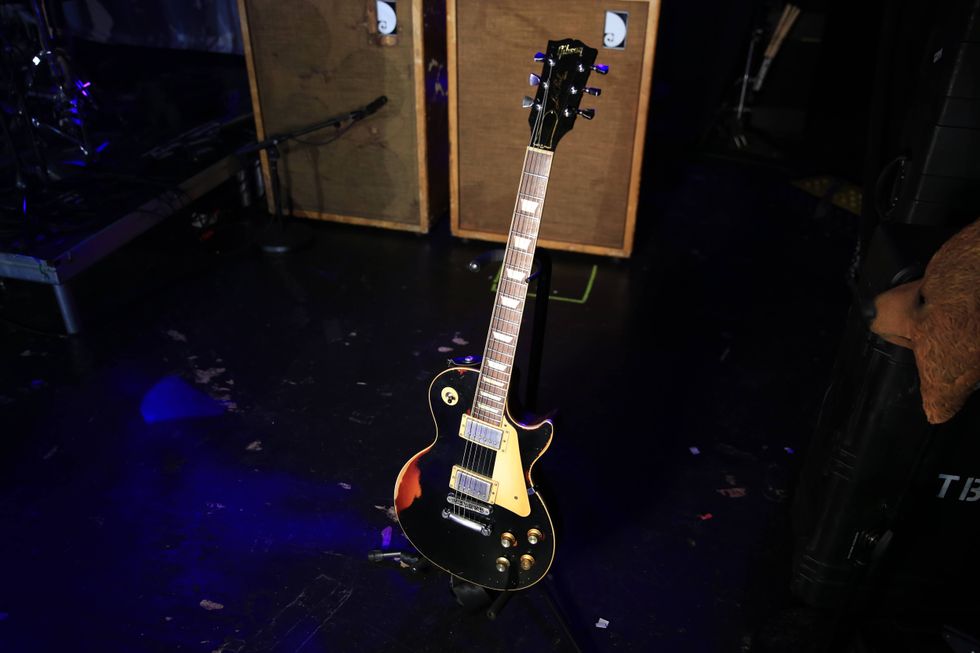
Stenman calls the Les Paul the core of most of what he does, going back to seeing pictures of Jimmy Page holding one. This one has Slash pickups in it, and he’s honest about the tradeoff: they don’t stay in tune especially well, but they feel cool. The band lives between drop C and drop B-flat, which used to mean hauling four guitars to cover a main and a backup in each. With no budget and no techs on fly dates, they now keep everything in one tuning and pitch-shift between songs from their floorboards. Stenman’s strings are .012–.054; when he had a dedicated B-flat guitar he ran .014–.056.
Second String
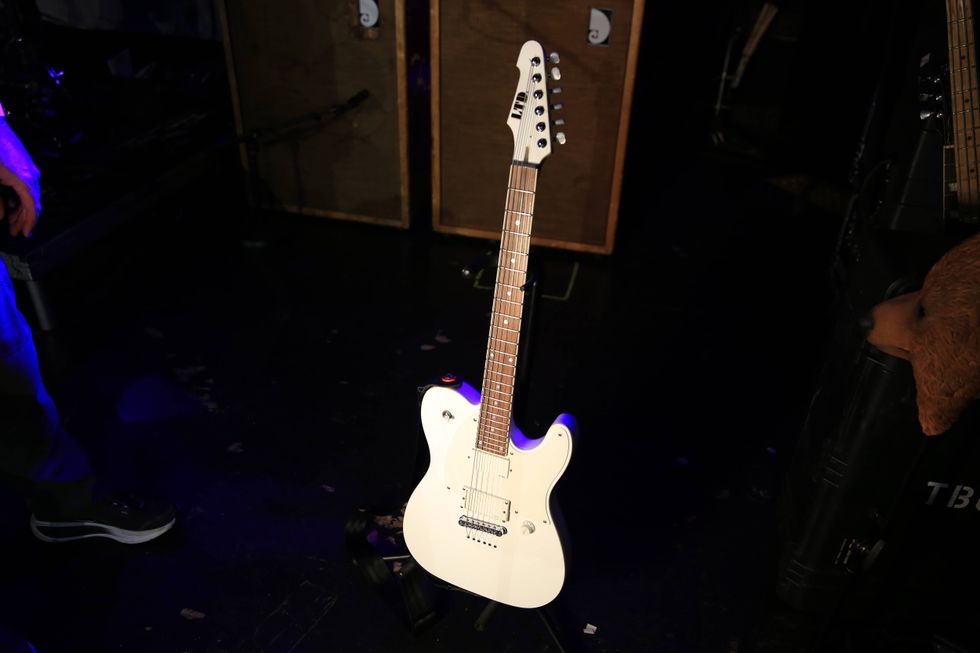
His other guitar is an ESP LTD TED-600T Ted Aguilar signature, which he says plays better than the Les Paul—quicker and easier under the hand. Which one comes out depends on the week.
Valhalla Rising
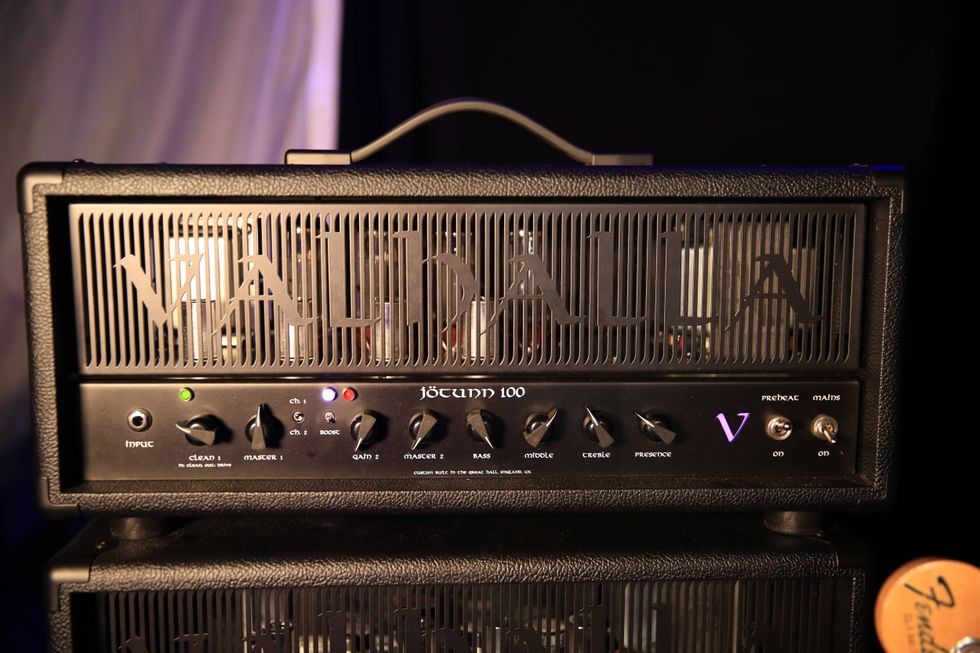
Valhalla sent three heads out with the band for this run, two guitar and one bass, delivered to their Oklahoma date a few days earlier. Everyone’s still learning them. Stenman does his tone-shaping digitally, but says he still wants an amp onstage so he can feel the air and the tubes.
Double Helix
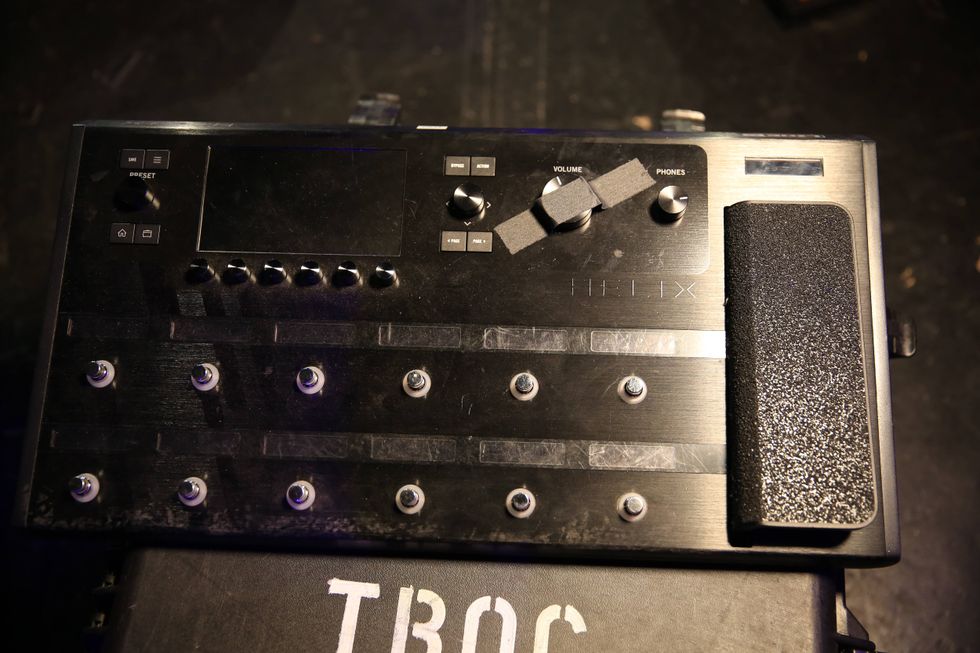
The Line 6 Helix is the brain of Stenman’s rig. He leans on a Rectifier model, switches to an ENGL setting for certain songs, and piles delay and reverb onto the leads—he traces the washed-out stuff to Britpop and shoegaze.
Whammy Wanted
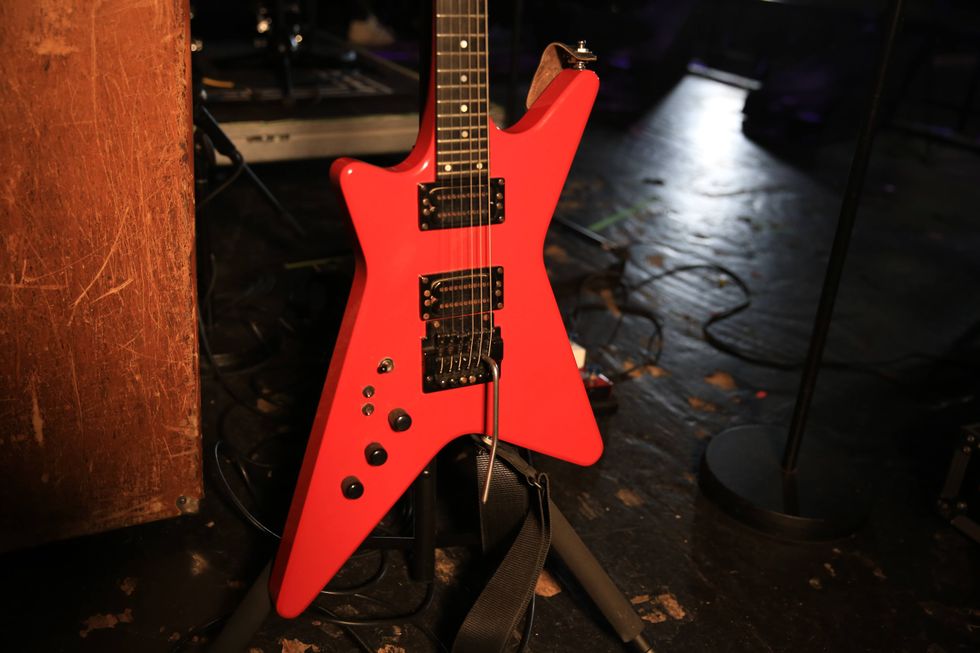
Irons found this 1985 Carvin V220, Kahler and all, online during a Deftones tour and bought it sight unseen—being left-handed, he rarely gets to try anything first. He wanted a bar for dive bombs and Dimebag squeals, which he’d been approximating on a hardtail and hating. It’s never been set up and it works. The dip switches are coil taps, and the pickups are staying put.
Zach Irons’ Pedalboard
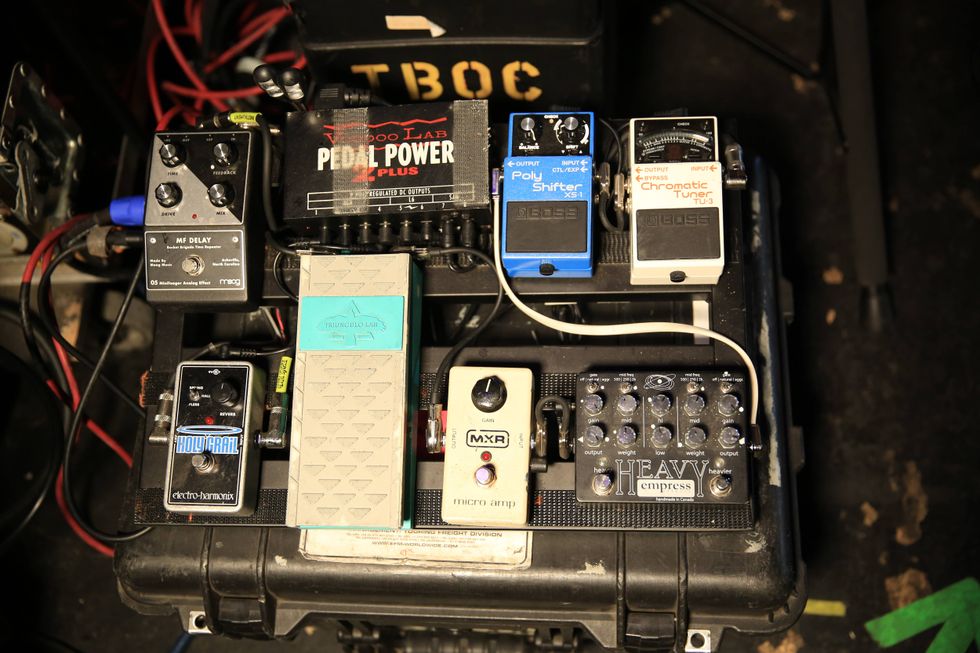
Irons found his Empress Heavy by typing “best heavy metal pedal” into a search bar and buying the first result; it’s the only distortion he’s used in this band, pushed by an MXR Micro Amp. A Boss XS-1 handles the drop tunings, while the wah is a Triangulo Lab WH-X clone of an Ibanez WH-10, sent to him by the Italian builder who makes John Frusciante’s replicas. An EHX Holy Grail covers reverb, and a Moog MF Delay gets used for between-song infinity washes. A Boss TU-2 keeps everything in tune, and a Voodoo Lab Pedal Power 2 Plus assures everything’s running.
Party P
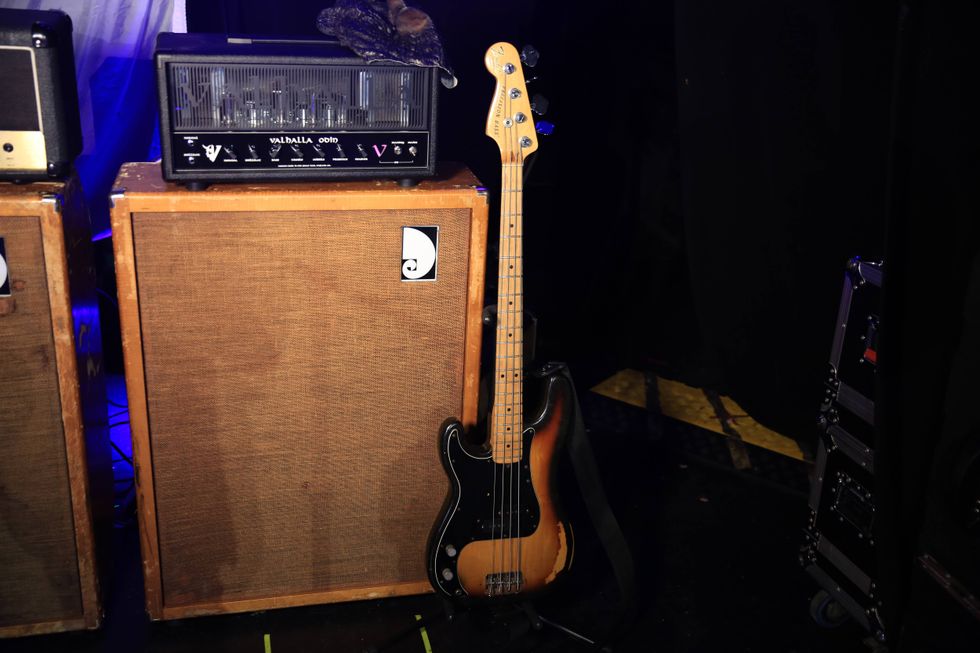
Amezcua’s 1978 Fender Precision is completely unmodified and has been with him through Under the Influence of Giants, AWOLNATION, and now this band. Strings vary depending on who’s giving them away, though usually Ernie Ball.
What’s Left
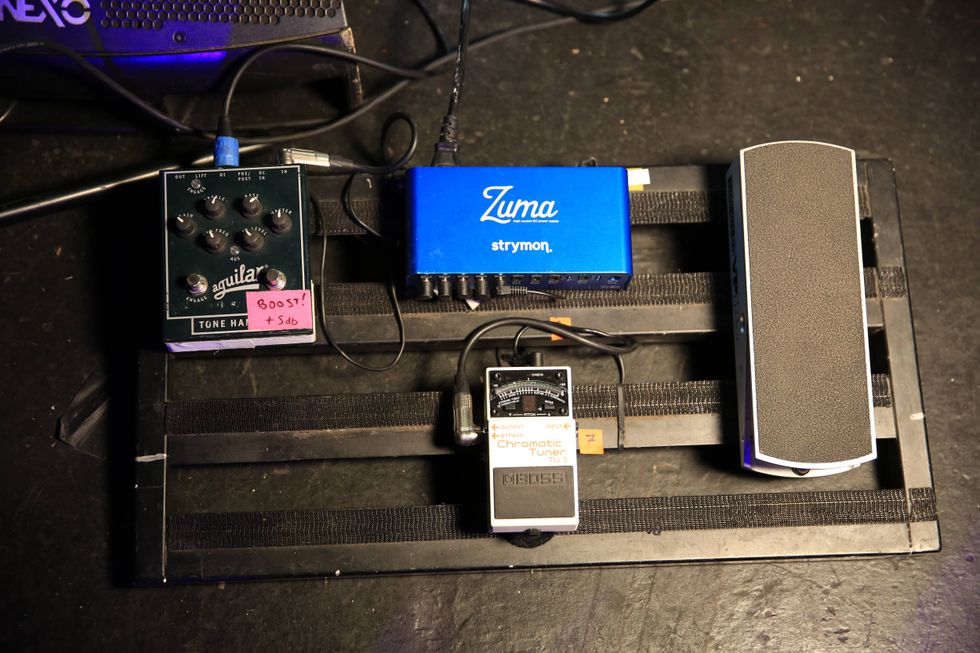
Amezcua calls his board the one that could have been. A rained-out set at Shiprock took out a delay, an EHX pedal, and an octave, so he’s down to an Aguilar DI for tone and punch, a Strymon Zuma power supply, and a Boss TU-3 tuner — which he needs, since he’s the only one in the band tuning by hand between songs.
Daniel Bachman’s New Full Length Documentary Film/Album “The Witness Tree” To Be Released October 2, 2026
Press Release
Source: DB PR
Witness trees are living beings who have experienced incredible historical events beyond the lifespan of any living person. Over the course of two years, Bachman interviewed/collaborated with 16 of these remarkable trees in Virginia using a biodata sonification device and his guitar.
Self-recorded in the field over the span of nearly two years (11/13/24 – 06/24/26), The Witness Tree is Bachman’s latest effort in multimedia storytelling. The result is a nearly two-hour long album, and documentary film, that takes the participant through intersections of history, power, people, and place. From the eroding beaches of the Chesapeake Bay and its former plantation grounds, through the Civil War battlefields, old growth groves, and river bottoms of the Piedmont, to the peaks of the Appalachian Mountains, the trees speak for themselves.

The Witness Tree
When site visits were in isolated private settings, such as in “Dogwood Mountain Valley Pipeline Blast Zone” or “American Boxwood Barboursville Ruins”, Bachman tuned his guitar and played along to the biodata coming from each tree. When this was not an option, pre-recorded material was played for the tree and later used in assembling the music.
While environmental audio of each location and the witness tree living in that space make up the core of each track, many non-musical samples find their way into this sylvan soundscape, such as text to binary code to MIDI synthesis of history texts, and a visual to auditory translator that transforms digital images of each location or tree. Processed, and at times heavily abstracted YouTube videos, and other miscellaneous A/V material related to each location can also be heard throughout the entire project, as well as Bachman’s stylized guitar playing/digital editing and renditions of obscure site-specific folk tunes.
The Witness Tree has as much to do with public history, folklore, and documentary work as it does with modern American experimental music and fingerstyle guitar, with the liner notes, film, and album, all saying things each individual piece could not on its own.
Truly all trees bear witness. As they live and grow alongside us, they experience the everyday experience of human and non-human life, as well as our most cataclysmic moments in history. The Witness Tree attempts to include not only the lesser-known historic narratives but also acknowledge the effects of climate breakdown currently accelerating on Earth and the trees that are living through these defining experiences of our time.
ABOUT – Daniel Bachman is an artist, musician, and independent scholar primarily interested in the folk histories of Virginia. Bachman has released 14 full length records since 2011, and toured extensively internationally and throughout the U.S., garnering wide acclaim. Daniel’s unique perspectives and his music that fuses with the Virginia ecosystem was recently featured in The Smithsonian Magazine. His latest record, The Witness Tree, is out Oct. 2, 2026.

Daniel Bachman
LINKS
Fender says it’s cancelled pickup hum forever with its potentially game-changing new Silent System

Fender says it’s come with a solution to single-coil hum with its latest innovation, the Silent System. The brand’s much-loved Noiseless pickups – fitted across many of its contemporary guitar lines – do offer a hum-free experience, but one that some players say comes at the expense of a small sacrifice in dynamic chime.
But its new Silent System is designed to fit in a cavity under the pickguard away from your pickups altogether, with a passive battery-free design that promises to remove single-coil hum without any sacrifice in tone. And the solution is being unleashed via a new pair of limited-edition Stratocaster and Telecaster models.
- READ MORE: Tesla owner enjoys an afternoon of guitar practice – while allegedly driving 60mph on the motorway
The new guitars join Fender’s USA-made American Professional Classic series, and offer players “even more creative control and flexibility over their guitar, sound, and signal”, the company says.
 Credit: Fender
First up, the Limited Edition American Professional Classic Stratocaster comes fitted with Fender’s Silent System, along with all of its vintage injections and modern tech. The model comes equipped with Coastline ‘57 Strat pickups, providing an old-school sound with plenty of depth and punch when you’re dancing your fingers along the guitar’s comfortable C-shaped neck and rosewood fingerboard.
Staggered ClassicGear tuners also add to the guitar’s vintage feel, as well as the guitar’s overall custom-faded finish. And this limited edition Strat is available in four different colours: Three-Colour Sunburst or Daphne Blue with a rosewood fingerboard, and Olympic White or Candy Apple Red with a maple fingerboard. Price-wise, this clocks in at £1,599.
 Credit: Fender
If you’re more inclined to pick up a Tele, the Silent System-equipped Limited Edition American Professional Classic Telecaster is also £1,599. There has also been equal levels of effort in achieving a vintage feel on this model, with its Coastline ‘63 Telecaster pickups and Staggered ClassicGear tuners to match the Strat.
Again, custom-faded finished are also customary across this Telecaster line to amplify that heritage feel. And the Tele is available in Candy Apple Red or Sonic Blue with a rosewood fingerboard, and Three-Colour Sunburst or Vintage Blonde with a maple fingerboard.
“The all-new offering brings the guitar community a game-changing answer to unwanted electrical hum without the need for compromise on tone, style, or even choice of pickup,” says Fender. “This innovative tech refresh is set to fundamentally change the playing experience.”
Both models are available now for £1,599. For more information, head to Fender.
 Credit: Fender
The post Fender says it’s cancelled pickup hum forever with its potentially game-changing new Silent System appeared first on Guitar.com | All Things Guitar.
Pages
