
Music is the universal language
“Glory to God in the highest heaven, and on earth peace to those on whom his favor rests.” - Luke 2:14
Premier Guitar


Eventide Audio Introduces Temperance Pro
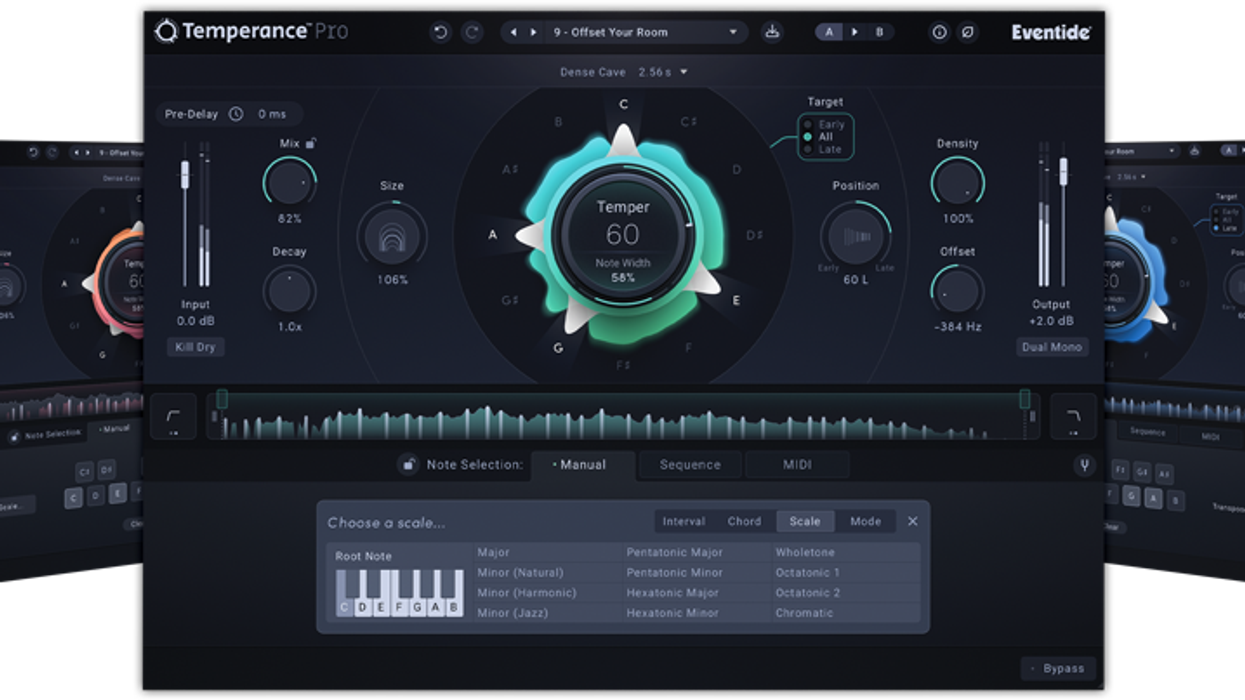
Audio announced the release of Temperance™ Pro. Building on the revolutionary foundation of Temperance Lite, which introduced the world's first musical reverb, Temperance Pro adds 29 modal spaces, advanced sequencing capabilities, MIDI control, and specialized modal and temper controls for transforming your spaces in ways that were previously not possible.
Temperance Pro speaks the language of music, operating on the 12-note chromatic scale, letting users create spaces that feel musically intentional rather than incidental. This unique modal approach models reverb as collections of thousands of independent resonators, each one adjustable in real-time for unprecedented ways to shape space.
Pete Bischoff, the Product Owner said of the plug-in “Temperance impresses me on so many levels. The notion that you can recreate a room from thousands of individual resonances, complete with delays, flutters, and other nuances intact just blows my mind. The engineer in me can't figure out how Eventide got them to cooperate so perfectly and how they managed to squeeze them all into a real time effect. The musician in me giggles at the thought of the sheer number of tiny "instruments" playing in concert and what novel sound avenues they could explore.”
Woody Herman, Sr. DSP Engineer with Eventide added, "I've always enjoyed Eventide's willingness to try something different. As an engineer, it's especially rewarding to work on a project that tries to re-think something we've known about and used for a long time. Temperance is a different way of thinking about reverb that I think is new, fun, and hopefully leads people to make creative decisions they normally wouldn't.”
Temperance Pro introduces two controls for advanced shaping of musical texture. Target Select controls when tempering happens in time, choosing whether selected notes bloom with early reflections, with the late reflections during the reverb tail, or both. Note Width defines how many nearby modes are included in each note, with lower settings offering more musical precision and higher settings affecting more of the overall reverb for broader, more pronounced results.
Three powerful note selection methods add depth and creative potential. Manual Mode offers note-roll style input with instant access to chords, scales, modes, or intervals through the Choose Scale dialog. Sequence Mode programs note changes to follow chord progressions with adjustable beat grid and session offset for precise timeline positioning. MIDI Mode provides real-time keyboard control with Octave Repeat, offering an immediate and tactile way to work, whether performing live or sketching ideas in the studio.
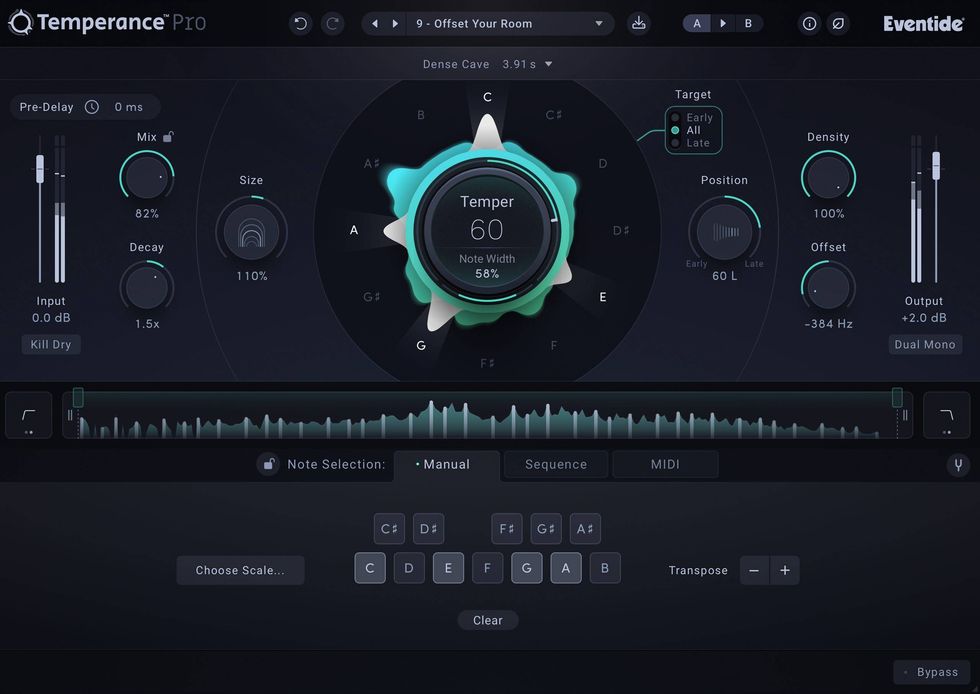
Three unique modal controls offer unprecedented ways of shaping space. Position adjusts the balance between early and late reflections, working independently from tempering. Density controls how many modes are active, from full quality reverb to progressively fragmented, lo-fi tones. Offset shifts the center frequencies of all modes by up to ±500Hz independent of temper settings, changing the pitch of the entire space for dramatic results.
Temperance Pro delivers 29 spaces spanning intimate rooms, grand halls, lush mechanical reverbs, and experimental synthetic spaces. The collection includes faithful recreations of legendary acoustic spaces, including several designed by acoustics pioneer Ralph Kessler, alongside original creations built specifically to showcase modal reverb technology.
The plug-in features over 120 creative and production-focused presets including 11 tutorial presets. Professional features include ultra-low latency suitable for live performance, fully automatable controls, Dual Mono mode, A/B comparison states, and Eco Mode for CPU optimization.
Temperance Pro is available for $179 MSRP from Eventide Audio and authorized dealers worldwide. Crossgrade from Temperance Lite is also available for $79. The plug-in supports AAX 64-bit, AU 64-bit, and VST3 64-bit formats on Windows 10+ and macOS 10.14+. For more information visit eventideaudio.com.
This Holy-Grail ’58 Les Paul Custom Will Always Be a Player’s Guitar
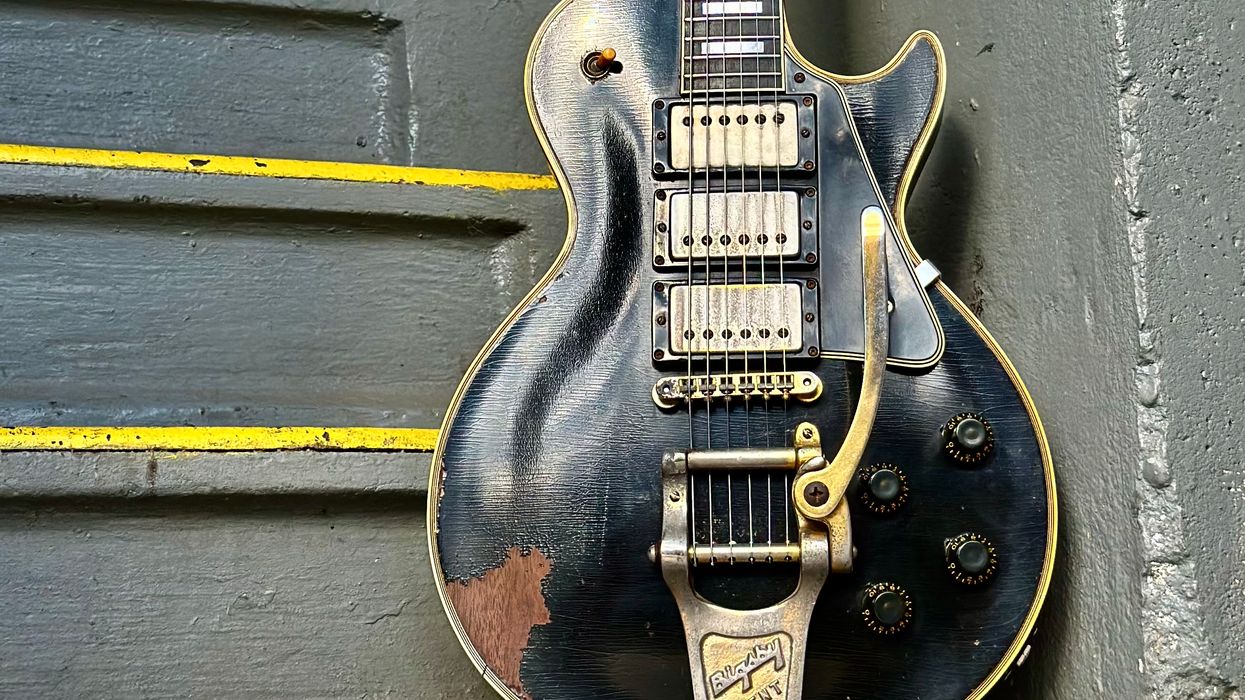
Every now and then, a holy-grail guitar falls into your lap and makes you do crazy things to get it. In my case, the holy grail is a 1958 Gibson Les Paul Custom from the original owner, Brian, who played it every day like it owed him money.
I’m obsessed with guitars with personality and deep stories—specifically vintage Gibsons—and have a habit of poking around to see what’s out there. I found Brian’s guitar through my buddy Joe at Joe’s Vintage Guitars in Arizona. This guitar was all vibe and dripped energy—a true player’s instrument. That honest playing wear is very important, not only to the history, but to the sound. You see something that’s heavily played and worn, you know it’s going to sound good. I had to have it. Luckily, the old broken headstock made it financially attainable. I consulted my guitar uncles, Doug Myer and Chris Such, who are equally obsessed and they encouraged me to go for it. I didn’t think twice. I pulled my beloved 1938 D’Angelico Excel off the wall and sold it. Joe and I made the deal. He shipped Brian’s guitar to me in NYC.
Customs were Les Paul’s version of the luxurious Gibson L5 or a Super 400. They were made of the highest-quality material. With a mahogany body, multi-ply binding, and upgraded exotic ebony fingerboard featuring mother-of-pearl inlays, the guitar has a classy tuxedo look which exudes elegance.
Only 256 of these guitars were made in 1958 and would have cost $470 with added factory Bigsby, plus $47.50 with a case for a whopping $517.50.Brian’s serial number is 8 4224—not far from another LPC from 1958 which belonged to Eric Clapton until he gifted it to Albert Lee (8 6320). While clearly a special build, the feature that kept this model from becoming a household name is the “Fretless Wonder” frets that Les Paul loved to play on. These were designed for jazz and Les Paul’s style of playing with heavy flats—a style with more gliding and sliding across the fingerboard as opposed to bending notes.
The pot codes date to the eighth week of 1958 (February), meaning the PAFs are still a proper example of Seth Lover’s original humbucker design, without being potted. All the frequencies and the overtones are still intact.
The capacitors are also rare: .02 uF Phonebook Spragues that were only used in top Gibson models like the Flying V and Explorer. The Brian Custom also came with the patent pending Grover tuners (instead of waffle backs) which were the highest quality of tuner hardware at the time.
But it was the factory Bigsby, cast by Paul Bigsby himself in his workshop in Southern California, that put me over the edge. In my band, Caveman, I only use guitars I’ve made with a Bigsby. It’s become a part of my signature sound. The Bigsby on the Brian Custom is an early example—you very rarely see them with the green felt, tapered shape, and texture in the cast aluminum like this.
“My goal is to keep this guitar a player’s guitar. I believe all guitars need to be played or they will wither and die.”
The only thing I have done since receiving this gem, is replace the frets so it plays perfectly. I put on a special set of La Bella strings that I’ve been working on with my brother Eric from La Bella Strings—a prototype set of super-polished stainless-steel rounds that we will be releasing soon.
What makes the Brian Custom truly special goes far beyond its physicality. The guitar is alive. Brian respected the art of the instrument—he played it every day. It’s rare to see such an honest, beat-up, and absolutely played guitar of this caliber—and even rarer that it belonged to only one person. The divots in the fretboard, the yellowed binding and knobs from nights playing in smoky venues, reflect a lifetime of playing and musicianship. Out of respect for Brian, my goal is to keep this guitar a player’s guitar. I believe all guitars need to be played or they will wither and die. It’s part of my mission to have players feel and understand why guitars like this are so special. To experience how they play, how they sound, to understand the magic. Guitars like Brian’s make you feel things you can’t put into words.
Most importantly, being the caretaker of such special instruments like the Brian Custom directly affects the way I build my Carbonetti Guitars and Olinto Bass instruments. Studying and playing vintage instruments elevates and inspires my craft. When you feel one of my guitars, I want everything to feel soft like a real player’s guitar—rounded edges and a worn-in feel. I aim to create the comfort and familiarity in my instruments that feels like an old friend and doesn’t need explanation. This ’58 custom is one of the greatest examples of this. It’s the official new mascot of the Guitar Shop NYC, and will continue to be played on stages and in studios forever.
A Guitar and a Pen

We live on the frontier of a sci-fi future, so I assume you’ve all heard of the Turing Test, which evaluates a machine's ability to exhibit behavior indistinguishable from that of a human. If the AI can consistently fool humans into believing it’s human, it passes the test. The T Test has worked its way into hundreds of books and movies over the past 30 years, but did any of us imagine that we would be conducting our own private Turing Test every time we called customer service? A lot of personal research has shown that AI can be just as ineffective as any human when it comes to customer services, so I guess it’s passing the test.
Now, I’m sure you’re wondering at this point: What does all this have to do with guitars and music? I’ve played three sessions of late where the “songwriter” brought in AI demos they wanted to record with a full band and human vocals. All of these songs did pass the T Test in that they were just as cliché and empty as any not-particularly-imaginative amateur songwriter. Don’t get me wrong—for songs that were cobbled together in seconds, borrowing parts of melodies, rhymes, rhythms, and themes from every song ever recorded, they were perfectly mediocre. But why would anybody want to record another D-level song devoid of a single original thought? I guess because they think it might advance their career. But one more lackluster drop in an ocean 95-percent full of mediocrity is not helping anyone.
That said, this process is going to improve. You know how you can have a secret desire for something, like a new pair of shoes or an Epiphone Sheraton, and keep this secret desire in the depths of your heart, telling no one—and yet, those shoes and/or Epiphone Sheraton somehow become ubiquitous in pop-up ads when you open your computer? There are times AI really does seem to be reading my mind—or at least my email, texts, and searches—and then feeds this into the algorithm to give me its version of what I think I want. It also can do that in songwriting. AI can gather data from all of the artists out there pouring their thoughts into songs, poems, books, and movies, and then rearrange them into songs that attempt to express the depths of human emotion. And in fact, I have heard AI create songs that are profoundly poignant.
I’d bet most successful or aspiring songwriters under the age of 60 have tried feeding a few commands into Suno, Udio, or Soundraw, and found a chord change, a line, or part of a melody that could be worked into a composition. Or maybe the AI version just needs a few tweaks. This is applying the “work smarter, not harder” creed, which used to be good advice, but I’m not sure it is anymore, now that working hard is so easy to avoid. For instance, I was a dyslexic kid (I suppose I still am), and had a very difficult time learning to read, but as there was no other option, I had to slog through it and put in the extra work to get up to speed. My 8-year-old daughter faces the same challenge, so we read together slowly most nights, making a little bit of progress each time that will hopefully grow like compound interest.
Of course, she hates it just like I did—but we power through. The challenge for her generation, though, is that anyone can now push a mic button on a phone, speak their thoughts, and have the phone instantly read them back. It’s an easy hack to avoid the hard work of reading and writing, and that’s why I think illiteracy will rise in developed nations.
“Wrestling with your deepest heartache or happiness and writing songs about it is good for the soul.”
So what does this have to do with guitars? Simple: you get out of life what you put into it. Doing something hard is good for you. Wrestling with your deepest heartache or happiness and writing songs about it is good for the soul. Explore what’s torturing you. As Pete Townsend wrote in his song “A Guitar and a Pen”:
“When you take up a pencil and sharpen it up / When you’re kicking the fence and still nothing will budge / When the words are immobile until you sit down / Never feel they’re worth keeping, they’re not easily found / Then you know in some strange, unexplainable way / You must really have something / Jumping, thumping, fighting, hiding away / Important to say.”
“When you sing through the verse and you end in a scream / And you swear and you curse cause the rhyming ain’t clean / But it suddenly comes after years of delay / You pick up your guitar, you can suddenly play.”
P.S. When I was writing the column What Will the Gibson Les Paul Standard 100th Anniversary Model Look Like?, I asked Grok/X what the LP will look like in 100 years. The answer? That most musicians will work in the digital realm, simply telling AI something like, “Give me a solo that sounds like Van Halen in 1978.” Honestly, we’re basically already there. But who cares—I’m taking the Nero approach, gleefully playing my guit-fiddle while Rome burns.
P.P.S. For this column’s art, I asked Perplexity.ai to make a cartoon of a guy happily playing guitar during the apocalypse. The first attempt wasn’t great, so I fed it an R. Crumb sample and said, “Do it like this.” AI nailed it.
A Guitar and a Pen
We live on the frontier of a sci-fi future, so I assume you’ve all heard of the Turing Test, which evaluates a machine's ability to exhibit behavior indistinguishable from that of a human. If the AI can consistently fool humans into believing it’s human, it passes the test. The T Test has worked its way into hundreds of books and movies over the past 30 years, but did any of us imagine that we would be conducting our own private Turing Test every time we called customer service? A lot of personal research has shown that AI can be just as ineffective as any human when it comes to customer services, so I guess it’s passing the test.
Now, I’m sure you’re wondering at this point: What does all this have to do with guitars and music? I’ve played three sessions of late where the “songwriter” brought in AI demos they wanted to record with a full band and human vocals. All of these songs did pass the T Test in that they were just as cliché and empty as any not-particularly-imaginative amateur songwriter. Don’t get me wrong—for songs that were cobbled together in seconds, borrowing parts of melodies, rhymes, rhythms, and themes from every song ever recorded, they were perfectly mediocre. But why would anybody want to record another D-level song devoid of a single original thought? I guess because they think it might advance their career. But one more lackluster drop in an ocean 95-percent full of mediocrity is not helping anyone.
That said, this process is going to improve. You know how you can have a secret desire for something, like a new pair of shoes or an Epiphone Sheraton, and keep this secret desire in the depths of your heart, telling no one—and yet, those shoes and/or Epiphone Sheraton somehow become ubiquitous in pop-up ads when you open your computer? There are times AI really does seem to be reading my mind—or at least my email, texts, and searches—and then feeds this into the algorithm to give me its version of what I think I want. It also can do that in songwriting. AI can gather data from all of the artists out there pouring their thoughts into songs, poems, books, and movies, and then rearrange them into songs that attempt to express the depths of human emotion. And in fact, I have heard AI create songs that are profoundly poignant.
I’d bet most successful or aspiring songwriters under the age of 60 have tried feeding a few commands into Suno, Udio, or Soundraw, and found a chord change, a line, or part of a melody that could be worked into a composition. Or maybe the AI version just needs a few tweaks. This is applying the “work smarter, not harder” creed, which used to be good advice, but I’m not sure it is anymore, now that working hard is so easy to avoid. For instance, I was a dyslexic kid (I suppose I still am), and had a very difficult time learning to read, but as there was no other option, I had to slog through it and put in the extra work to get up to speed. My 8-year-old daughter faces the same challenge, so we read together slowly most nights, making a little bit of progress each time that will hopefully grow like compound interest.
Of course, she hates it just like I did—but we power through. The challenge for her generation, though, is that anyone can now push a mic button on a phone, speak their thoughts, and have the phone instantly read them back. It’s an easy hack to avoid the hard work of reading and writing, and that’s why I think illiteracy will rise in developed nations.
“Wrestling with your deepest heartache or happiness and writing songs about it is good for the soul.”
So what does this have to do with guitars? Simple: you get out of life what you put into it. Doing something hard is good for you. Wrestling with your deepest heartache or happiness and writing songs about it is good for the soul. Explore what’s torturing you. As Pete Townsend wrote in his song “A Guitar and a Pen”:
“When you take up a pencil and sharpen it up / When you’re kicking the fence and still nothing will budge / When the words are immobile until you sit down / Never feel they’re worth keeping, they’re not easily found / Then you know in some strange, unexplainable way / You must really have something / Jumping, thumping, fighting, hiding away / Important to say.”
“When you sing through the verse and you end in a scream / And you swear and you curse cause the rhyming ain’t clean / But it suddenly comes after years of delay / You pick up your guitar, you can suddenly play.”
P.S. When I was writing the column What Will the Gibson Les Paul Standard 100th Anniversary Model Look Like?, I asked Grok/X what the LP will look like in 100 years. The answer? That most musicians will work in the digital realm, simply telling AI something like, “Give me a solo that sounds like Van Halen in 1978.” Honestly, we’re basically already there. But who cares—I’m taking the Nero approach, gleefully playing my guit-fiddle while Rome burns.
P.P.S. For this column’s art, I asked Perplexity.ai to make a cartoon of a guy happily playing guitar during the apocalypse. The first attempt wasn’t great, so I fed it an R. Crumb sample and said, “Do it like this.” AI nailed it.
Question of the Month: Ch-Ch-Ch-Changes!

Question: What was the most exciting change in your guitar playing this year?
Guest Picker - Brian Dunne

A: My guitar playing is pretty constantly shifting, but in the last few years, I feel like I’ve really “found it.” And I’d attribute that to a personal change, honestly. I’m no longer afraid to show what I’ve got. I grew up playing, but I was a slightly “embarrassed” guitar player, if that makes sense? I loved indie rock and I loved singer-songwriters, and at that point in my life, I felt like the guitar solo was maybe a gratuitous move, and so for years, I hid my playing abilities. Not only that, but because I was so self-conscious, every time I stepped up for a rare solo, I had so much going on in my head that I never felt free.
I’m in my thirties now, and I would never say I don’t care anymore—I’ll always care about what music means, who it’s for, what it says, what each note indicates to the listener. But I am who I am, and I think that people are their best musical selves when they’re singing and playing at the top of their ability. And that’s what I’m gonna do. You’ll be hearing a lot more guitar on my records from here on out. I’m a proud guitar player, no way around it.
Obsession: Current obsession is a 1973 Tele Deluxe that I just bought!
Reader of the Month - Dave Jackson

A: This last year I’ve noticed that I’m not using a pick very often, and I’m really enjoying the direct contact of fingers and fingernails on strings. Also, I’m using very few effects with no reverb or delay, and that feels like I’m closer to the instrument's vibrations. So I’m just down to a Rothwell Switchblade distortion into my ZT Lunchbox and an Emma TransMORGrifier compressor for clean stuff—and both together for neighbor-friendly feedback.
Also, after 45 years I’ve grown dissatisfied with humbuckers and want single-coil clarity and hi-fi detail but without the hum and buzz. So I’ve been researching noiseless Strat pickups until my eyes got bleary. There’s some Bill Lawrence Wilde pickups on their way to go in my ’80s Squier Strat.
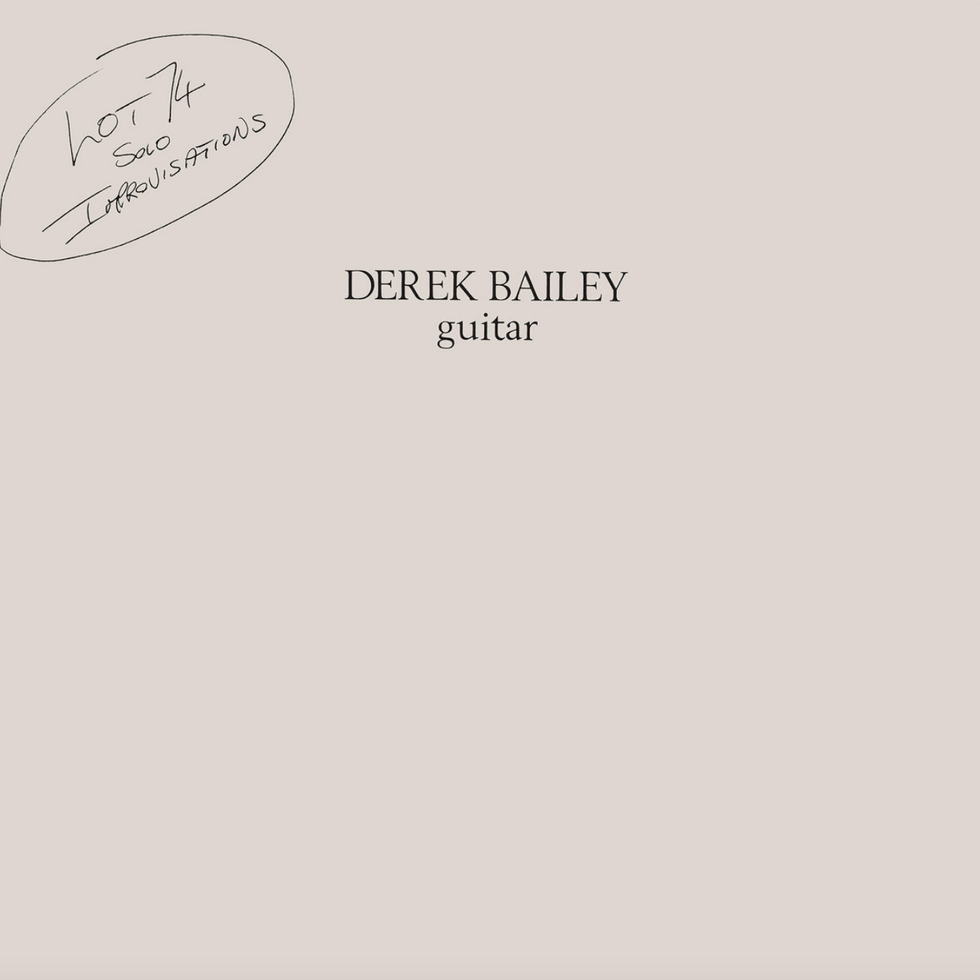
Obsession: Current musical obsessions include Black Sabbath’s Master of Reality. I’m left-handed, so Tony Iommi will always be a hero for me. I’ve also been revisiting Derek Bailey’s solo recordings like Lot ’74. He completely changed the way I think about music when I saw him play in 1986. Free improvisation is the most rewarding kind of music making I know. Ornette Coleman’s Love Call has also been heating up my speakers this week.
Editorial Director - Richard Bienstock

A: Sweep picking. Not a new concept for someone who grew up listening to metal in the ’80s and ’90s, but as much as I was into fast, technical playing, something about sweeping always left me cold. Too video-game sounding, before that was actually a thing guitarists were trying to sound like! But now my son plays, and one of the solos he tackled this year was Marty Friedman's daunting leads in Megadeth’s “Tornado of Souls.” Like everything else, we played it together. So, more than 30 years after I was hunkering down in my bedroom with the Hal Leonard official Rust in Peace tab book, I was finally sweeping up and down the frets.

Obsession: Cobra Kai, for maybe a third (fourth? fifth?) go-round. It just hits the perfect note of self-aware nostalgia, and the guys behind the score—Zach Robinson and Leo Birenberg—are two of the most imaginative guitar-based composers around. What’s more, they tapped ace ringers like Tim Henson, Andrew Synowiec, Myrone, and even Tosin Abasi to lend a hand, making it essential viewing—and listening—for guitar nerds.
Contributing Editor - Ted Drozdowski

A: Freedom. After recently retiring as editorial director of PG, it seems I’ve been pushing the envelope more—in the disparate directions of tradition and outrage, and feeling more comfortable and relaxed with a guitar in my paws. I think the title made me self-conscious about my playing, which is never a good thing. I’m excited about what happens next!

Obsession: The thrilling, evolutionary period of jazz from the mid 1940s to 1975, thanks to James Kaplan’s extraordinary book 3 Shades of Blue: Miles Davis, John Coltrane, Bill Evans, and the Lost Empire of Cool. It’s reconnected me to this wonderful, diverse, and sometimes extreme, often beautiful music I’ve loved so long, but had lost contact with.
Guided Practice with Tom Butwin
Honing in your warmup routine is an important part of your daily guitar ritual. In this guided practice routine, Tom Butwin takes you through his warmup and will keep you company as you work your way through.
Epiphone Unveils Masterbilt Gem Archer Sheraton and Bonehead Riviera
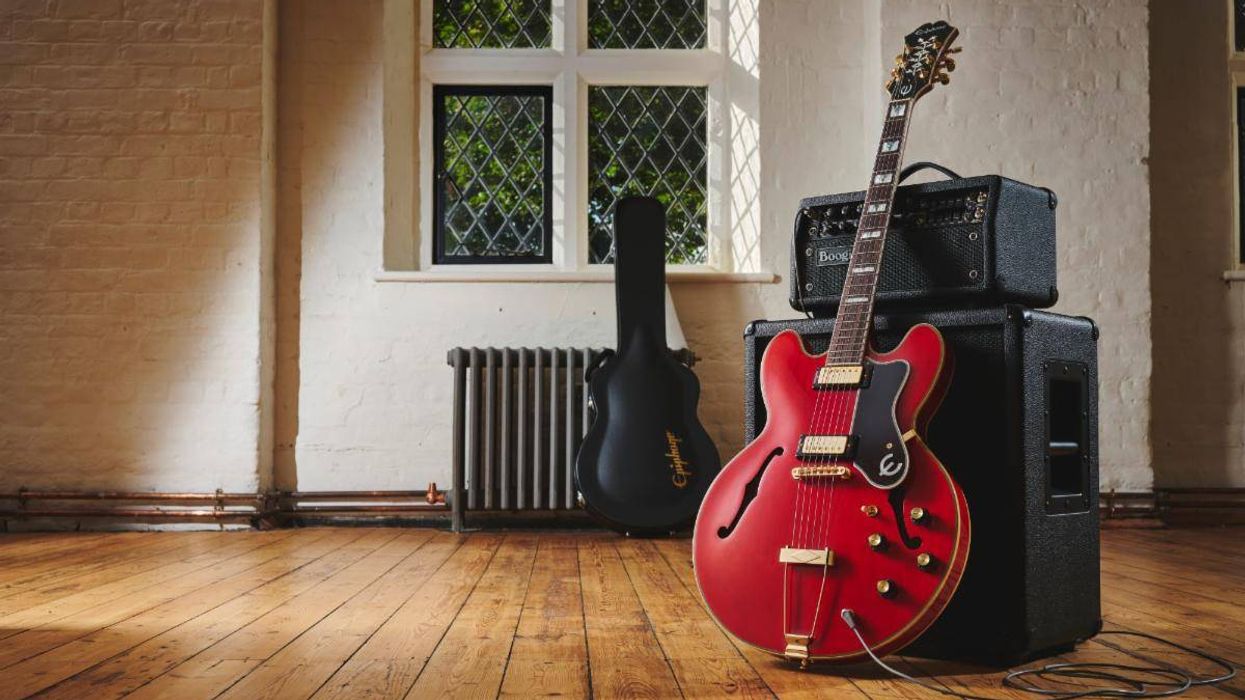
For more than 150 years, Epiphone has crafted the instruments behind music’s most iconic moments. From legendary riffs to unforgettable performances, its legacy continues to shape the sound of generations. Now, in celebration of the monumental Live ’25 Tour and the long-awaited return of Oasis, Epiphone unveils two extraordinary tributes to rock history: the Masterbilt Gem Archer Sheraton™ and the Bonehead Riviera. Inspired by the original guitars still wielded by Gem Archer and Paul “Bonehead” Arthurs on stage today, these models capture the spirit, tone, and swagger of a band that defined an era. Whether you’re chasing the classic Oasis sound or carving your own path, these guitars deliver the authenticity and craftsmanship that Epiphone is known for. The Masterbilt Gem Archer Sheraton and Bonehead Riviera are now available worldwide at authorized Epiphone dealers, at the Gibson Garage locations in London and Nashville, and online at www.Epiphone.com.

“The Epiphone Sheraton first came into my world when I borrowed Noel’s for Oasis tours and recording,” says Gem Archer. “When I started playing with him again in the High Flying Birds in 2017, this was the guitar I asked if he still had. I’m playing it again together with my signature model based on his ’66 original, on the Oasis Live ’25 tour. It’s got a ring and a clang to it, with loads of definition and clarity that I haven’t found in any other model.”
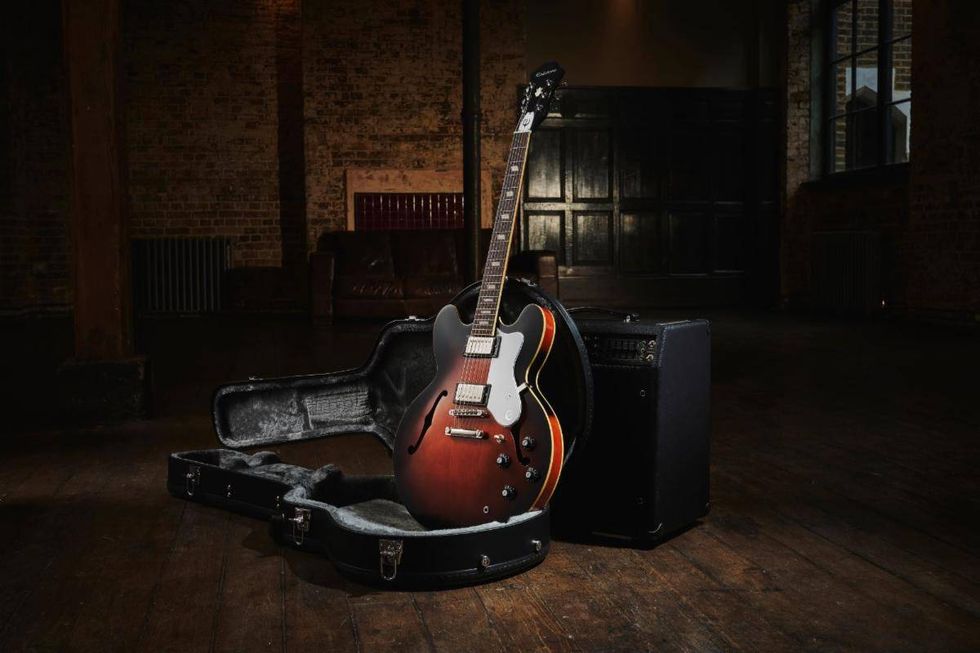
“Epiphone Rivieras have been with me from the early rehearsals at the Boardwalk in Manchester all the way up to those historic shows at Knebworth and on into Liam’s solo career,” says Paul “Bonehead” Arthurs. “I’m still playing my original 1984 guitar on the Oasis 2025 tour, and I wouldn’t have it any other way. I’m excited to bring this new guitar to audiences who experienced it back in the day, as well as those coming out to see us on this tour. It plays great and sounds massive; you’re gonna love it.”
“2025 is turning out to be quite the year for live music, and we’re thrilled to play a small part in paying tribute to one of the greatest reunions of the 21st century!” adds Lee Bartram, Head of Commercial and Marketing EMEA at Gibson. “The first time I remember seeing Gem playing that Cherry Red Epiphone Sheraton was on July 2, 2005, in Manchester—what a show! Gem was such an important part of the Oasis sound in the 2000s, and to see him carry that on with Noel Gallagher’s High Flying Birds makes it a privilege to be part of this project. Spotting that Epiphone Riviera on stage during the Be Here Now tour in 1996 is something that stuck with me and inspired me to get my first Epiphone guitar. Nearly 30 years later, I’m honored to have played a tiny part in bringing the Epiphone Paul ‘Bonehead’ Arthurs Riviera to life.”
Gem Archer, the versatile guitarist from Oasis, Beady Eye, and Noel Gallagher’s High Flying Birds, is known in part for playing an Epiphone Sheraton, a guitar on long-term loan from Noel. Now, Epiphone proudly introduces the Masterbilt Gem Archer Sheraton, a new artist model based on that original Sheraton, which Gem still regularly uses. The Sheraton is an original Epiphone design first introduced in 1958.
This Masterbilt semi-hollowbody guitar, with its distinctive and elegant styling, represents the highest standards of craftsmanship and componentry from Epiphone. Built to the same specifications as the Inspired by Gibson Custom models, it features the signature etched Double Diamond on the rear of the headstock, a hallmark of those premium instruments.
The Masterbilt Gem Archer Sheraton boasts a semi-hollowbody, five-ply layered maple/poplar construction with a maple centerblock for enhanced sustain and improved feedback resistance. The top and back of the body are multi-ply bound, as are the headstock and fretboard. Its one-piece mahogany neck has a comfortable 60s C profile and is topped with a rosewood fretboard featuring 22 medium jumbo frets, adorned with elegant mother-of-pearl block and abalone triangle inlays.
The large 60s-style Sloped Dovewing headstock showcases the historic Epiphone logo and Tree of Life inlaid in mother-of-pearl. All hardware is gold, complementing the beautiful Vintage Gloss finish. The headstock is fitted with smooth-turning Grover® Rotomatic® tuning machines with Milk Bottle buttons, and the low-friction Graph Tech® nut helps keep the guitar solidly in tune. At the other end, an ABR-1 bridge and Casino™-style raised diamond trapeze tailpiece secure the strings.
Electronics are top-tier, featuring a pair of USA-made Gibson Mini Humbucker™ pickups, each with individual volume and tone controls using high-quality CTS® potentiometers and Mallory™ capacitors. These are routed through a Switchcraft® three-way pickup selector toggle switch and a 1/4” output jack.
Available in both right-and left-handed versions, the Masterbilt Gem Archer Sheraton comes with an Epiphone hardshell guitar case to keep this stunning instrument protected wherever your music takes you.
Gibson Launches Noel Gallagher Les Paul Standard

For over 130 years, groundbreaking Gibson instruments have shaped some of the most powerful moments in music history. Now, in celebration of the Live ’25 Tour and the long-awaited return of Oasis, Gibson proudly introduces the Noel Gallagher Les Paul™ Standard—a model designed by world-renowned singer, songwriter, and guitarist Noel Gallagher himself to capture the sound, vibe, and aesthetics of the 90s while bringing everything full circle for today’s audiences. Available for a limited time at authorized dealers, Gibson Garage locations in London and Nashville, and Gibson.com, this release marks a new chapter in the iconic partnership between Gibson and one of rock’s most influential artists.
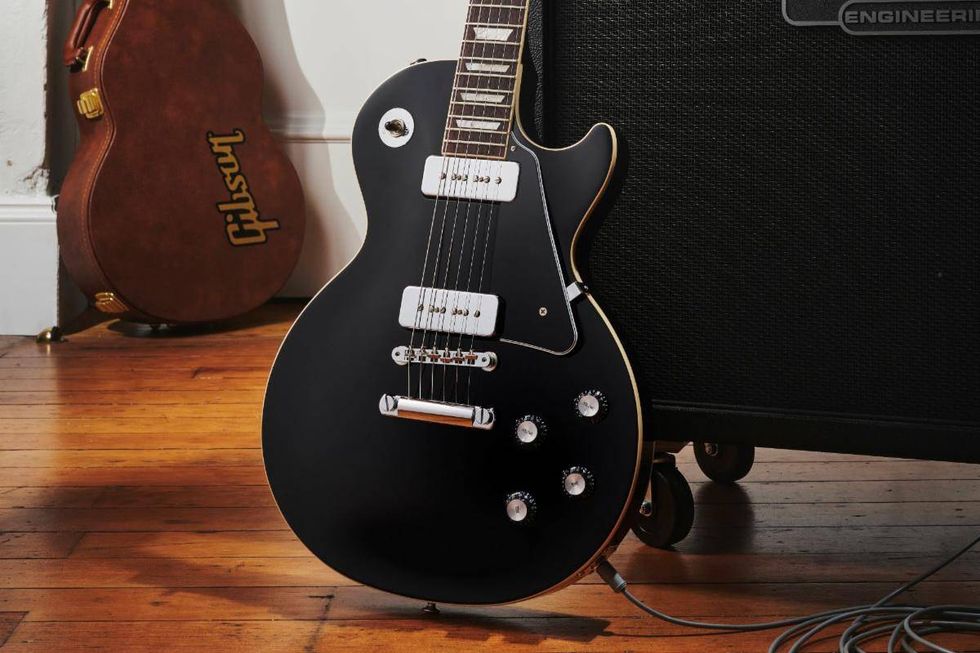
“This guitar is simply too iconic and cool not to be released more widely and made available for more fans to get their hands on,” says Lee Bartram, Head of Commercial and Marketing EMEA at Gibson. “Noel’s original Gibson Custom version of this Les Paul was the first guitar he played during the biggest rock ’n’ roll reunion of the 21st century. This Gibson USA version embraces that legacy, capturing a historic moment in British and global live music.”
The Gibson Noel Gallagher Les Paul Standard features a non-weight-relieved mahogany body with a bound maple cap and a mahogany neck with Gallagher’s preferred SlimTaper™ profile. A bound rosewood fretboard with 22 medium jumbo frets and acrylic trapezoid inlays completes the classic look. Hardware includes an ABR-1 Tune-O-Matic™ bridge and aluminum Stop Bar tailpiece for precise intonation and sustain, along with smooth-turning Grover® Rotomatic® tuners with kidney buttons, plus a chrome switch washer and output jack plate.
The pickguard is a black five-ply unit similar to those typically found on Les Paul Custom models. The electronics are equally distinctive, featuring unique chrome-covered Gibson P-90 Soapbar pickups hand-wired to individual volume and tone controls, along with a three-way pickup selector. The control knobs are black Top Hats with silver reflectors and dial pointers. The Noel Gallagher Les Paul Standard also includes an artist signature reproduction decal on the back of the headstock and comes in a hardshell guitar case to keep it safe—whether you’re taking it to a local gig or on your next world tour. Perfectly encapsulating the historic Live ’25 Tour, the Gibson Noel Gallagher Les Paul Standard is sure to be a fan favorite—so get yours today while they’re still available.
EarthQuaker Devices Easy Listening Review

At long last, EarthQuaker Devices enters the amp simulator market with Easy Listening, a $99 mini pedal that is designed for use with headphones but can also work in between your pedalboard and your DAW. The Akron, OH, builders designed Easy Listening around an all-analog circuit meant to mimic the sound of a black-panel Fender Deluxe Reverb, the amplifier through which EQD boss Jamie Stillman tests all his circuits. In an era where many of us have grown accustomed to digital amp simulators with menu-diving and multi-platform connectivity, you’re either going to love or hate the straight-ahead simplicity of Easy Listening. But there’s no denying the possibilities it offers.
Easy Peasy
Easy Listening is one of EarthQuaker’s first mini pedals, and the downsized housing is charming and practical. It fits anywhere you need it to, an inconspicuous but slick-looking addition to the end of any signal chain, or simply a space-saving desktop unit while demoing.
The power jack sits on the crown of the pedal, with an input on the right and output on the left. On the upper-middle of the pedal’s face is the lone control: a simple volume knob. With headphones on, I found 9 o’clock on the dial more than loud enough, but when running Easy Listening into an interface, I found it often needed more juice. Either way, the pedal’s name is not a coincidence. Its one-size-fits-all design encourages you to get down to business.
Lush Listening
Run your guitar chain into Easy Listening, plug in some decent over-ear headphones, and you’ll hear more than a little 1965 black-panel Fender Deluxe Reverb right in your ears. The sound is punchy, clear, and whole, with definite vintage-Fender mojo. And the clean base tone has just the right amount of sparkle and presence to make playing through headphones actually enjoyable.
Easy Listening really comes to life (and displays its powers) when you slam it with dirt pedals. The breakup is deliciously balanced, with neither the burnt high-end of many digital amp solutions nor the unpredictable frequency spikes you might encounter when running your pedals through a tube amp and whatever speaker it’s loaded with. It handles everything from boost to dirt to mountain-rending fuzz with ease and dynamic depth.
I had to do some overdubs for a project while reviewing Easy Listening, so I plugged it into my interface and gave it a shot. The rhythm tones I pulled out of it were so harmonically pleasing that it almost made me want to redo the ones I’d recorded on my Dr. Z. At any rate, it made me feel confident that I could tackle a number of home-recording scenarios with Easy Listening. Usually, jamming with headphones is a grudging obligation, but with Easy Listening, it became my first choice for home play. It just sounds so good.The Verdict
EarthQuaker smashed a homerun with Easy Listening. Its ease of use is thrilling compared to most amp pedals’ demanding interfaces, and the tones it produces are impressively full and 3-dimensional. At $99, you can’t ask for a better (or better-sounding) home practice and recording tool.
Reader Guitar of the Month: Bald Cypress and Lindsey Buckingham Inspire a #1 Instrument

BODY COPY:
Reader: Steve Agosto
Hometown: Jennings, Louisiana
Guitar: #1
I started my journey into guitar back in the 1980s. Lindsey Buckingham of Fleetwood Mac was my biggest influence because I was mesmerized by his ability and presence. I wanted to play like him, and though I could never really master his licks, I did teach myself to play guitar. It just took 30 years.
I never had the time to play much because I was in the service and worked on the road for so many years. But when I finally settled down, I was almost 50, so I got serious. I played every day, soaking up information—and, yeah, Premier Guitar was there with me every month since 2008. Over the course of my search for that mojo, I’ve had Stratocasters, Telecasters, an Epiphone Casino, a Takamine, a Firebird, SGs, and Les Pauls (a lot of ’em). I’ve lost count of all the mods I’ve done. But through those experiences, I learned that no guitar would have everything I need unless I had it custom built. So, getting near retirement (and now pretty good at playing, too), I decided I would build my own in my garage. I’m one of those guys that loves his garage.
About a year before retiring, I started educating myself by watching videos and speaking with other builders in my area. Then I started to put it all together. My father-in-law knew about my interest, and while I was visiting his farm in southwest Louisiana, he showed me something he’d kept for years, thinking I might appreciate it. Long ago, he had been to another family’s farm and discovered old-growth bald cypress hidden in the rafters of a barn. According to him, the wood had likely been there for at least a century. This wood, like some other boards that were found, was likely from a tree felled during a hurricane. Bald cypress is slow growing, and these particular pieces were probably 200-300 years old. I kept two and gave one to a coworker who had guided me through the building process.

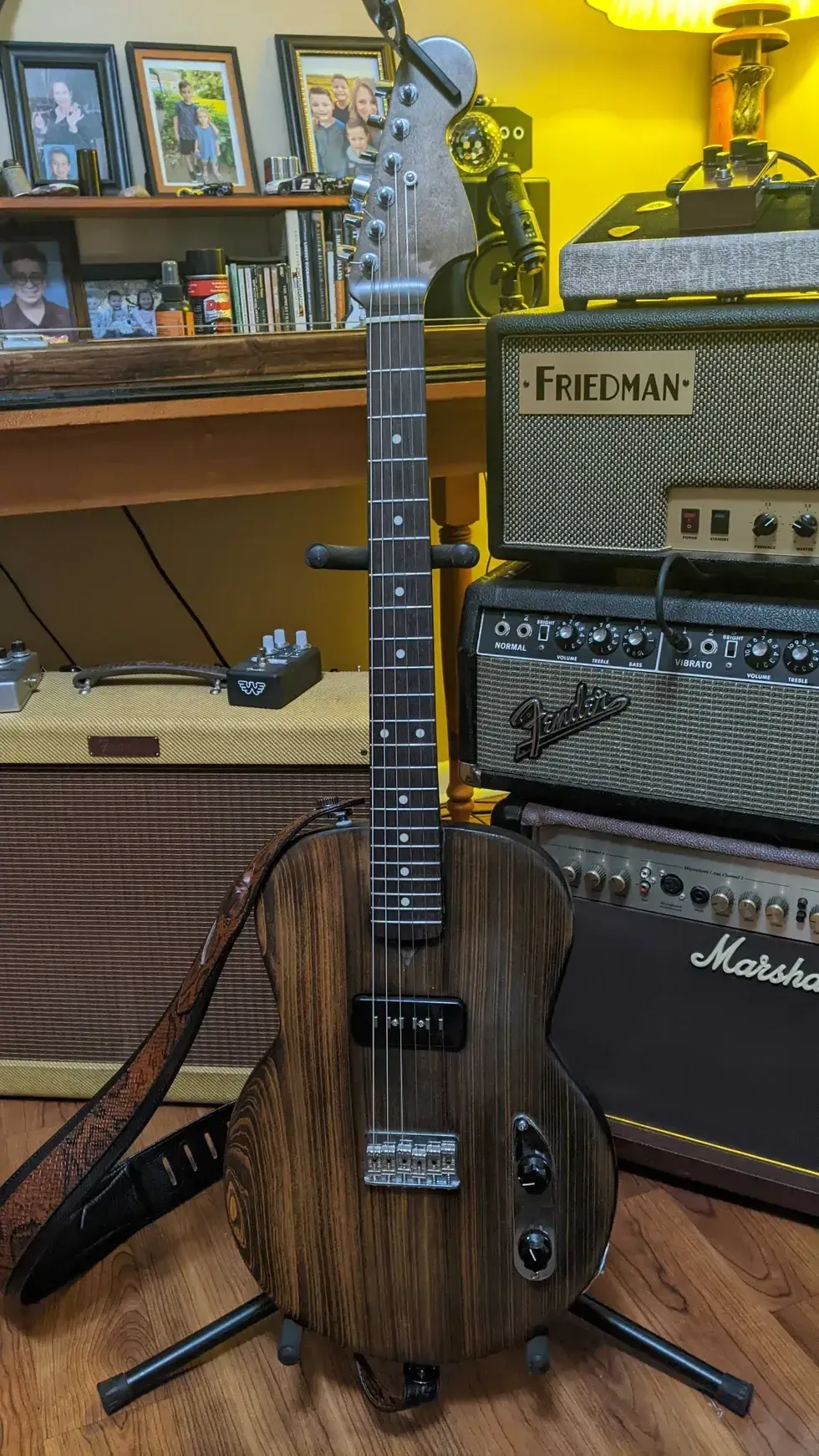
Having owned and played so many different guitars, I learned that P-90s are my favorite pickups. I like a short scale because it keeps my elbows tucked in, which is good for my old shoulders. I also fell in love with a 7.25" radius thanks to an old Telecaster, because it was easy on the hands. Because of this, I decided to use a Fender-licensed Jaguar neck by Allparts with a bone nut. The 6-saddle bridge is a Fender-licensed component, too. The pickup is a Korea-made staple P-90, which the seller said came from a Peerless-series Epiphone. Electronics include 250k CTS pots and .047uF Orange Drop capacitors.
It’s very comfortable to play—like a parlor size guitar that’s 1 3/8" thick.
Then, of course, there’s the bald cypress body. I settled on the shape because one of my favorite acoustics is a parlor-sized guitar, but it’s also inspired by the Model 1 that Rick Turner built for Lindsey Buckingham. I literally traced my parlor and then placed the pickup where Buckingham had his. (I was always amazed at the tone he got from playing with just that one pickup, not realizing it was actually more Lindsey than the hardware). The entire body is shaped by hand, which isn’t saying much, because I love a flat top guitar like an SGs or Firebird. That made things easy. After I cut the neck pocket and cavity with a Dremel router attachment, I put it together. I darkened the body with 15 to 20 coats of Tru-Oil (I actually lost count), and it was done.
This guitar is my #1. Like my wife, there can be no other. It’s light (not even 6 pounds), and very comfortable to play—like a parlor size guitar that’s 1 3/8" thick. It’s also resonant. The P-90 is amazing—I wish I could find another just like it. It’s smooth and clean, but can get nasty when you open the volume knob. I play through a 1965 Fender Showman and a Friedman Runt 50, and they love this guitar as much as I do. When I play another guitar, I’m usually looking over my shoulder, telling myself, “This would sound a lot better on my #1.” And it always does!
Can the Dirt Pedal Market Ever Be Oversaturated?

I recently spoke at a webinar with pedal rental service Buy or Borrow. The topic I submitted was, “Can the dirt pedal market ever be oversaturated?” I thought it would be fun to approach the subject like a debate, take the dissenting position, and present my argument. I’d like to explore this same question here. Now, since this column isn’t an in-person debate against an opponent, there won’t be a back-and-forth dialogue and I won’t be constructing and presenting a syllogism. I’ll be keeping it more casual and outlining talking points with supporting information and examples.
Here are some reasons I believe the dirt pedal market will not become oversaturated.
Classics that transcend generations
These are the industry staples—pedals that transcend trends and feel almost like part of the public domain. They originate from large manufacturers whose advanced production capabilities and buying power enable them to scale efficiently and keep costs low, resulting in affordable, player-friendly options ideal for those just starting their pedal journey. Classic examples include the Fuzz Face, Electro-Harmonix Big Muff Pi, Ibanez Tube Screamer, Pro Co RAT, and Boss DS-1.
New versions
Brands that become well known for one or several dirt pedals will inevitably and subsequently release new versions with updated and/or added features. These releases help carry the lineage forward and keep it in the public eye. A classic example is the Big Muff Pi, with more contemporary counterparts like the JHS Morning Glory, Fulltone OCD, and Way Huge Green Rhino.
Brand loyalty
Customers looking for a specific dirt circuit or tonal style tend to seek out their preferred brand’s take on it. For instance, if you’re after a Tube Screamer and happen to be an EarthQuaker Devices fan, you might reach for a Plumes.
Tweaks that appeal
This category centers on the appeal of both subtle and significant tweaks to well-known circuits. Take the Tube Screamer, for example: Voodoo Lab’s Sparkle Drive adds a simple but beloved clean blend, while EarthQuaker’s Palisades takes the classic three-knob overdrive to extremes with seven knobs, two toggles, and three footswitches.
The newest thing/hype
The gear market is perpetually chasing the next new thing. Online buzz can fuel hype around both familiar formats and groundbreaking designs alike. On the classic side, there’s the 1981 DRV; on the innovative end, the Chase Bliss Automatone Preamp MKII.
“The gear market is perpetually chasing the next new thing. Online buzz can fuel hype around both familiar formats and groundbreaking designs alike.”
Artist versions
Musical artists could be categorized as the original “influencers.” For decades, they’ve partnered with guitar and amp makers, and in recent years, those collaborations have expanded into the pedal world. Fans of these artists often gravitate toward the gear that bears their name. Notable examples include the Wampler Paisley Drive with Brad Paisley, the EarthQuaker Gary with Lee Kiernan of IDLES, the Union Tube & Transistor Bumblebuzz with Jack White, and Horizon Devices, founded by Misha Mansoor of Periphery.
Collaborations
Just as artists collaborate with brands, we’ve also seen pedal companies team up with one another. These partnerships create double the exposure and broaden awareness for both brands. Notable examples include the JHS/Boss Angry Driver, Chase Bliss/Analog Man Brothers AM, Spruce Effects/Pelican Noiseworks Pelitaur GE, and MXR/Fuzzrocious Bass Distortion.
2-in-1 combos
Most brands offer multiple dirt pedals in their lineup, and many include 2-in-1 or dual-drive options. These are a great way to save space, power, and money—all while expanding tonal flexibility.
Limited editions (or colors)
Limited-edition models—and even limited finishes of standard models—have become commonplace in today’s gear world. Larger manufacturers have taken note of this boutique trend and joined in. Examples include Ibanez’s hand-wired 808 with its metal enclosure, MXR’s gold-finished Phase 90, and even JHS’s Germanium Boost.
Legacy reissues
When a brand has been around for a decade or more, it often builds a loyal fanbase that knows its entire catalog, past and present. To honor that history, some manufacturers release small-batch reissues of legacy models. Recent examples include EarthQuaker’s Dirt Transmitter and White Light, the original-format JHS Morning Glory, and the iconic EHX Ram’s Head.
Same model, different size
Whether driven by manufacturer design or consumer demand, some brands offer a “family” of a particular model. This approach provides options to suit a wide range of needs. Two companies that do this especially well are Analog Man, with the Duke, Prince, and King of Tone, and Wampler, with the Mini, Standard, and Deluxe Plexi Drive.
Multiple on boards
Simply put, dirt is an effect category that often appears multiple times on a single pedalboard. It’s not uncommon to see a setup featuring a boost, an overdrive, a distortion, and a fuzz all together.
Cost friendly and artisan
From a purely financial standpoint, boost and fuzz pedals typically have fewer components, allowing them to be sold at very appealing prices. An $80 boost that does its one job effectively solves a problem while remaining low-risk for the buyer.
At the other end of the spectrum are companies operating on a “beyond artisan” model. These makers produce small batches using rare, vintage, or unique components, often built on stripboard, tagboard, or even point-to-point wiring—a meticulous and impressive approach that draws enthusiasts. Notable examples include Reeves Electro, Elephant Pedals, and R2R Electric.
This is the condensed version of the argument, but I still find it compelling in supporting the idea that the dirt pedal market is unlikely to become oversaturated. Do you find it convincing?
Fender’s Best Jazzmaster & Jaguar Yet? John Bohlinger Puts Them to the Test
The offset twins get a makeover that lends stability and a streamlined sensibility while enhancing the guitars’ classic ,’60s, surfy essence.
The American Professional Classic Jazzmaster: Under the hood, vintage-inspired Coastline ’65 Jazzmaster pickups deliver depth, punch and sparkle while the sleek Modern “C” neck provides exceptional comfort and playability. Fender Staggered ClassicGear™ tuners deliver classic looks and precise tuning stability. Boasting custom-faded vintage and signature Fender finishes, this professional-grade instrument looks as good as it sounds. From studio to stage, The American Professional Classic Jazzmaster All the soul of a golden-era Fender, evolved for today’s player. Options include Rosewood Fingerboard in 3-Color Sunburst, Faded Firemist Gold, Faded Sherwood Green Metallic and Faded Dakota Red.
The American Professional Classic Jaguar: Under the hood, vintage-inspired Coastline ’65 Jaguar pickups deliver depth, punch and sparkle while the sleek Modern “C” neck provides exceptional comfort and playability. Fender Staggered ClassicGear tuners deliver classic looks and precise tuning stability. Boasting custom-faded vintage and signature Fender finishes, this professional-grade instrument looks as good as it sounds. From studio to stage, The American Professional Classic Jaguar All the soul of a golden-era Fender, evolved for today’s player. Options include Rosewood Fingerboard 3-Color Sunburst, Faded Sherwood Green Metallic and Faded Firemist Gold as well as Maple Fingerboard in Faded Lake Placid Blue.
Moth Electric releases the M. stellatarum Tremolo
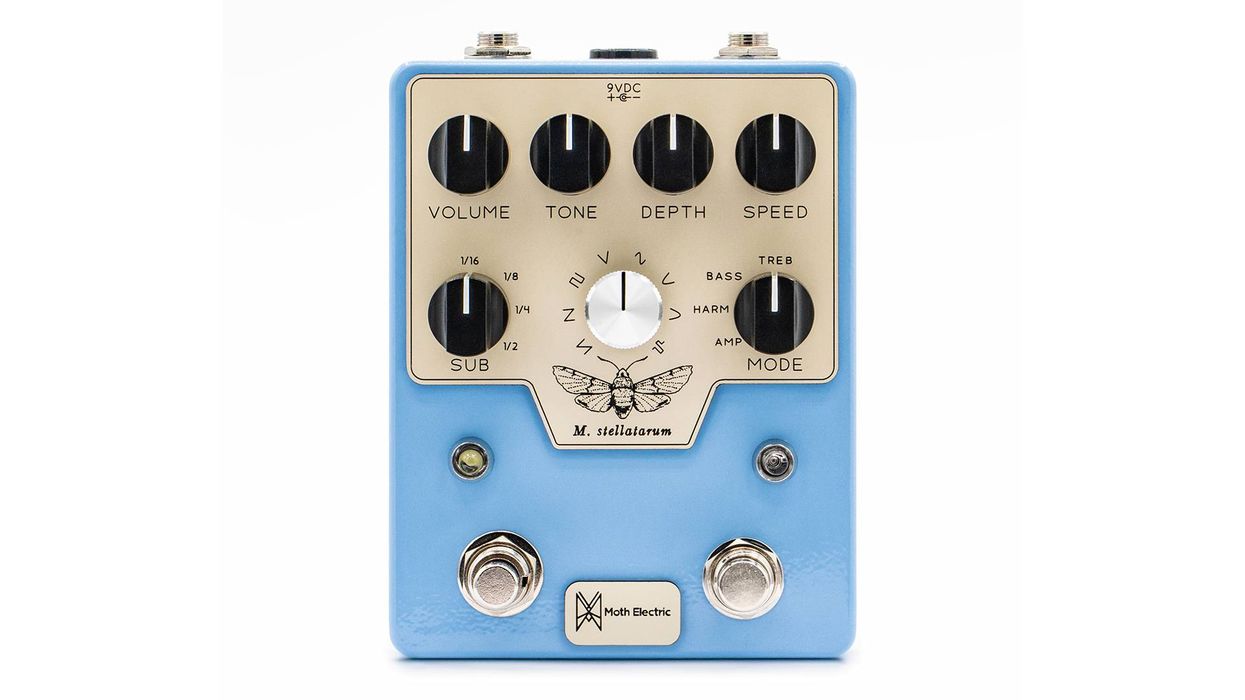
Moth Electric has introduced their first modulation pedal, the M. stellatarum Tremolo, adding to their existing lineup of four dirt pedals.
The M. stellatarum is a multi-mode optical tremolo featuring an all-analog signal path, tap tempo with four subdivisions, an on board boost and a total of 32 sonic combinations between its four modes of operation and eight waveforms.
Features:
- Four distinct modes of operation. Classic amplitude tremolo, harmonic tremolo, bass only modulation and treble only modulation.
- Eight waveform selections provide a wide variety of textures, from classic to experimental. Sawtooth, Reverse Sawtooth, Square, Triangle, Sine, Hypertriangle, Reverse Hypertriangle, Random level generation.
- Tap tempo with four subdivisions allows for hands free rate manipulation while playing live. Subdivisions include ½ notes, ¼ notes, ⅛ notes and 1/16 notes.
- Dedicated tone knob to dial in your preferred sweet spot in each mode or to tame overly harsh or boomy amps.
- Onboard pre-amp boost adds warmth without overly coloring your sound. Enough gain on tap to push your amp if desired.
M. stellatarum Basics:
- Controls: Volume, Tone, Rate, Depth, Sub, Wave, Mode
- Bypass and Tap Tempo footswitches
- True-bypass switching, top-mounted jacks for easy placement on crowded pedalboards
- 9-volt DC operation with external power supply – no battery compartment
- Designed and hand-built in the USA using through hole components
The M. stellatarum carries a $219.99 price and is available for purchase at mothelectric.com.

Stompboxtober 2025: Revv

Today’s feature: the Revv G3 Anniversary Edition — a high‑gain ‘amp‑in‑a‑box’ based on Revv’s Purple Channel, redesigned with a refined circuit and custom black finish with purple knobs.
Stompboxtober 2025 - Win Pedals All Month Long!
G3 Anniversary Edition
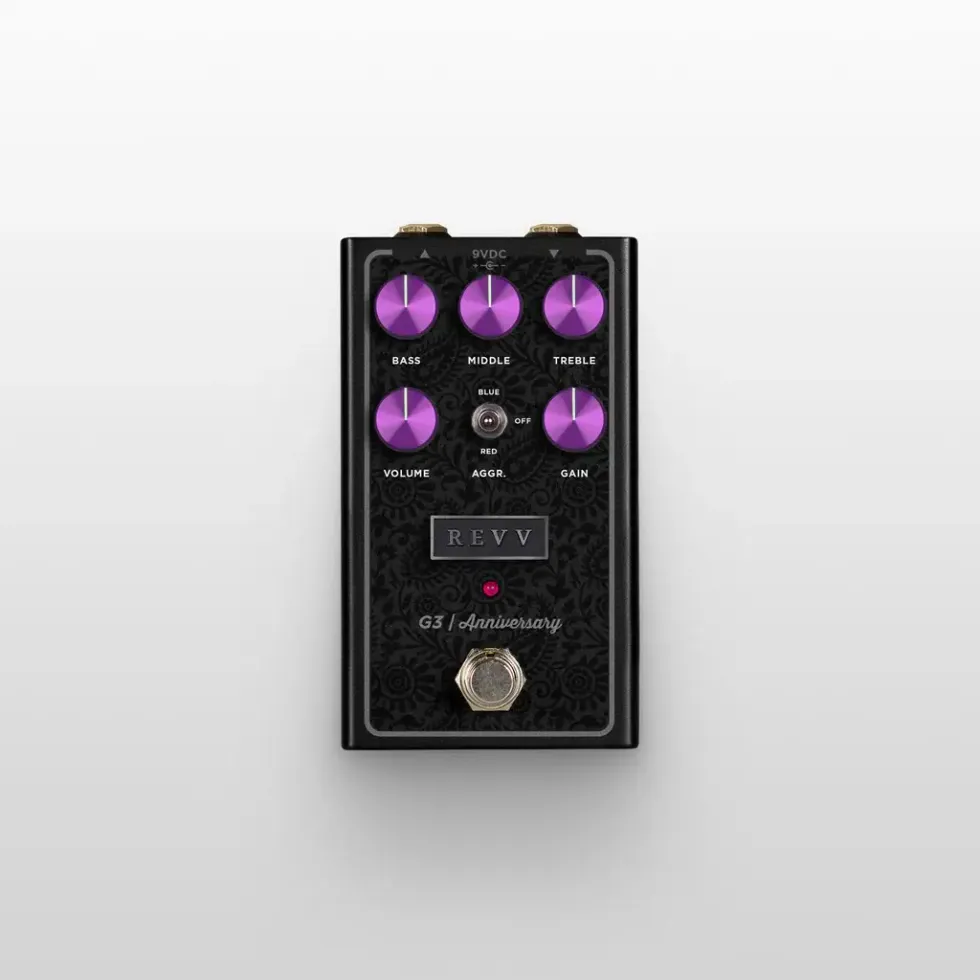
The Revv G3 revolutionized high gain pedals in 2018 with its tube-like response & tight, clear high gain tones. Suddenly the same boutique tones used by metal artists & producers worldwide were available to anyone in a compact pedal. Now the G3 returns with a new V2 circuit revision that raises the bar again.
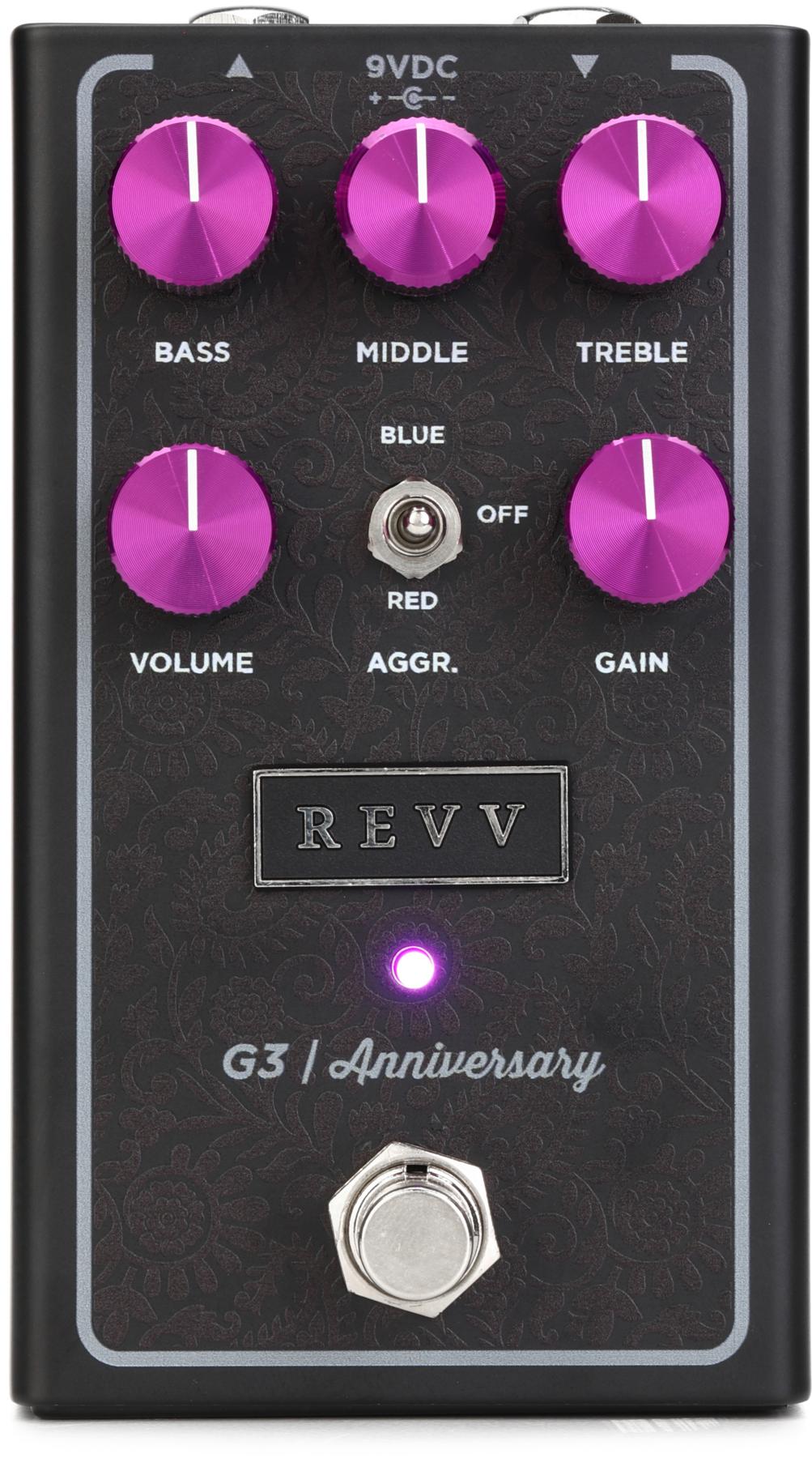
Revv G3 Purple Channel Distortion Pedal - Anniversary Edition
Queens of the Stone Age Inspired Pedalboard Build
Get ready to dive into the gear-head dream: we teamed up with our friends at East Side Music Supply and pedal-wizard Blair White to build a pedalboard inspired by Queens of the Stone Age. From fuzz to filter sweeps, octaves to tape echo, we traced the band’s signature sound and then assembled a stacked board you could win. Whether you’re chasing heavy riffs or sculpting atmosphere, this one’s for pedal lovers and riff monsters alike.
Full board and details below!
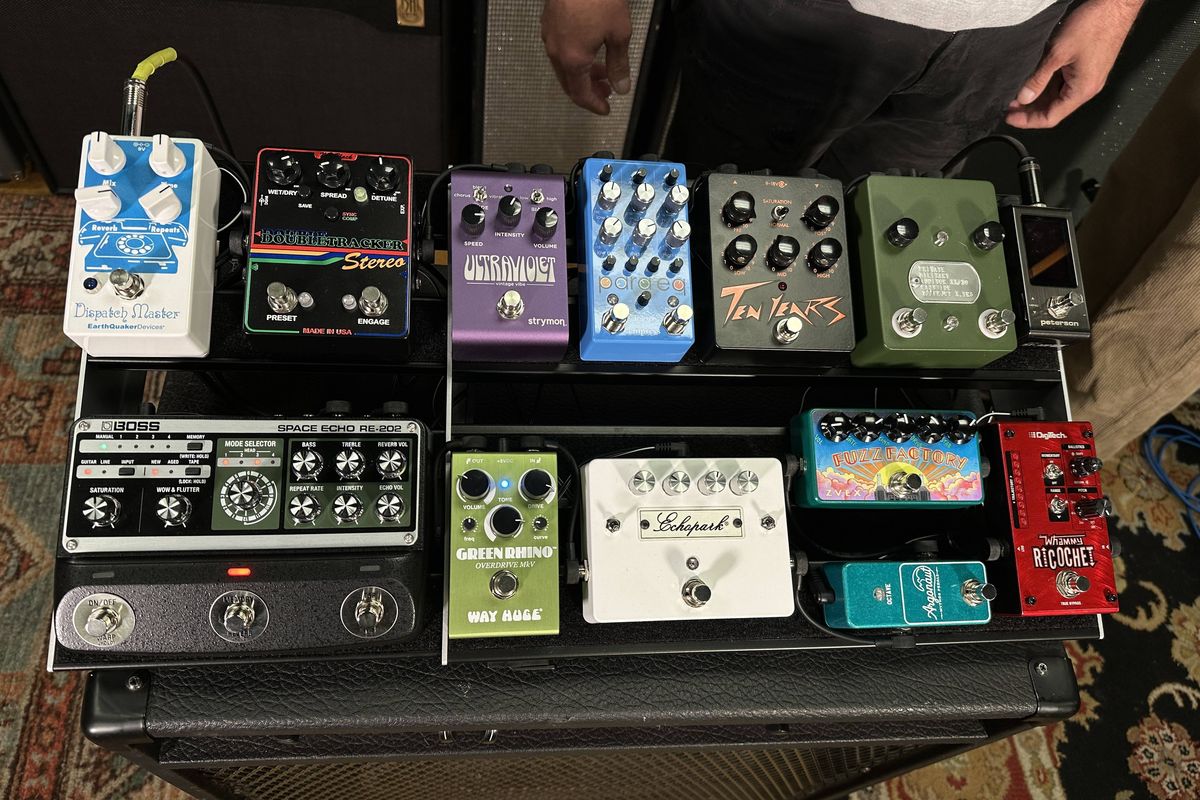
Enter here to win: https://www.premierguitar.com/win-stuff/pg-giveaways/ultimate-qotsa-pedalboard
.rbm-pick-card { --rbm-border: ; --rbm-accent: ; border: 2px solid var(--rbm-border, #e53e3e); border-radius: 10px; padding: 16px; background: #fff; font-family: inherit; position: relative; } .rbm-pick-badge { position: absolute; top: -10px; left: 12px; background: var(--rbm-accent, #e53e3e); color: #fff; font-size: 12px; line-height: 1; padding: 6px 10px; border-radius: 6px; font-weight: 700; } .rbm-pick-wrap { display: grid; grid-template-columns: 110px 1fr; gap: 16px; align-items: start; } .rbm-pick-img { aspect-ratio: 1 / 1; /* forces square crop */ overflow: hidden; border-radius: 6px; background: #f3f4f6; /* subtle placeholder */ } .rbm-pick-img img { width: 100%; height: 100%; object-fit: cover; /* crops without distortion */ display: block; } .rbm-pick-title { margin: 0 0 4px; font-size: 20px; font-weight: 800; color: #111; } .rbm-pick-sub { margin: 0 0 12px; font-size: 14px; font-weight: 700; color: #334155; } .rbm-pick-btns { display: grid; gap: 10px; max-width: 560px; } .rbm-pick-btns a { display: block; text-align: center; background: #000; color: #fff !important; text-decoration: none; padding: 12px 14px; border-radius: 8px; font-weight: 800; letter-spacing: .3px; } .rbm-pick-btns a span.price { text-transform: none; } .rbm-pick-btns a span.label { text-transform: uppercase; } /* Responsive */ @media (max-width: 560px) { .rbm-pick-wrap { grid-template-columns: 80px 1fr; } .rbm-pick-title { font-size: 18px; } }
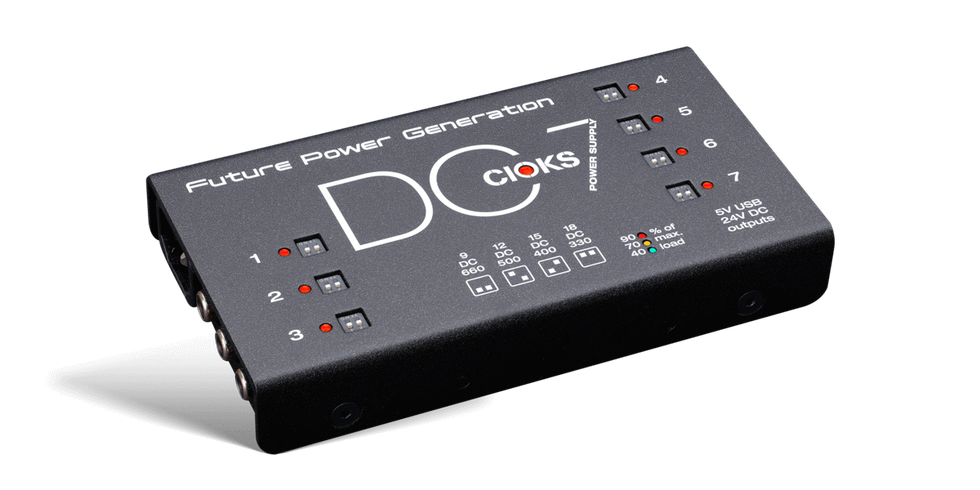
Cioks DC7
CIOKS DC7
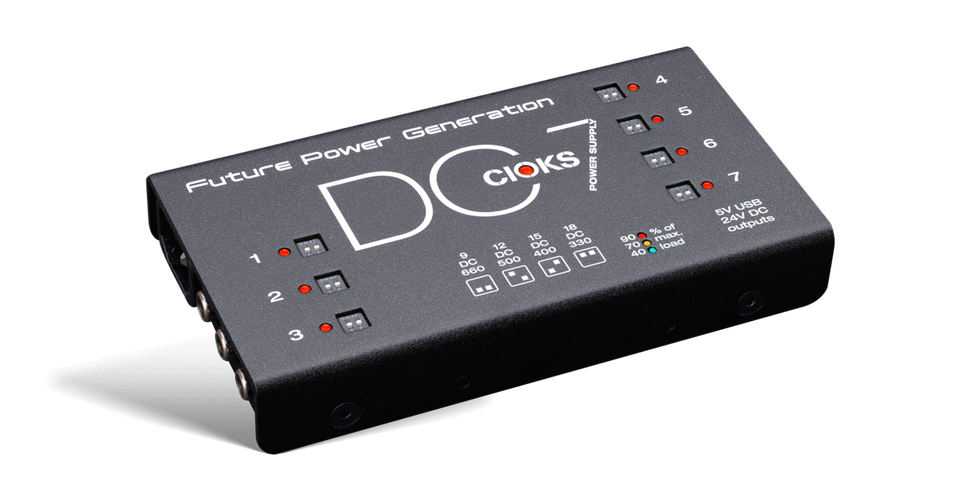
The groundbreaking DC7 has a one-inch (25,4mm) profile and weighs 1.1 pound (500 grams) thanks to the pure 2-stage switch-mode technology inside. The profile may be low but the power ratings are certainly not – the DC7 puts out a maximum of 48W and allows the user to connect multiple high-current effects such as devices from Effectrode, Line 6 and Eventide without noise of any kind.
.rbm-pick-card { --rbm-border: ; --rbm-accent: ; border: 2px solid var(--rbm-border, #e53e3e); border-radius: 10px; padding: 16px; background: #fff; font-family: inherit; position: relative; } .rbm-pick-badge { position: absolute; top: -10px; left: 12px; background: var(--rbm-accent, #e53e3e); color: #fff; font-size: 12px; line-height: 1; padding: 6px 10px; border-radius: 6px; font-weight: 700; } .rbm-pick-wrap { display: grid; grid-template-columns: 110px 1fr; gap: 16px; align-items: start; } .rbm-pick-img { aspect-ratio: 1 / 1; /* forces square crop */ overflow: hidden; border-radius: 6px; background: #f3f4f6; /* subtle placeholder */ } .rbm-pick-img img { width: 100%; height: 100%; object-fit: cover; /* crops without distortion */ display: block; } .rbm-pick-title { margin: 0 0 4px; font-size: 20px; font-weight: 800; color: #111; } .rbm-pick-sub { margin: 0 0 12px; font-size: 14px; font-weight: 700; color: #334155; } .rbm-pick-btns { display: grid; gap: 10px; max-width: 560px; } .rbm-pick-btns a { display: block; text-align: center; background: #000; color: #fff !important; text-decoration: none; padding: 12px 14px; border-radius: 8px; font-weight: 800; letter-spacing: .3px; } .rbm-pick-btns a span.price { text-transform: none; } .rbm-pick-btns a span.label { text-transform: uppercase; } /* Responsive */ @media (max-width: 560px) { .rbm-pick-wrap { grid-template-columns: 80px 1fr; } .rbm-pick-title { font-size: 18px; } }
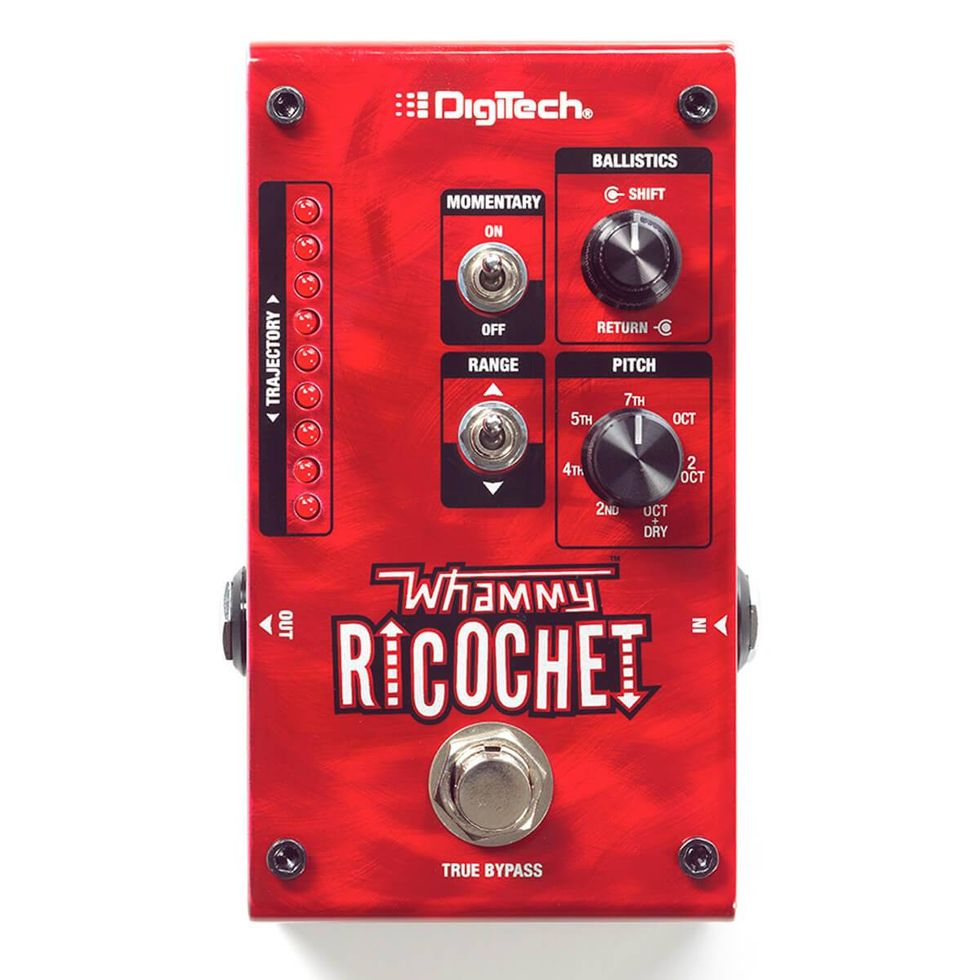
Digitech Whammy Ricochet
Digitech Whammy Ricochet
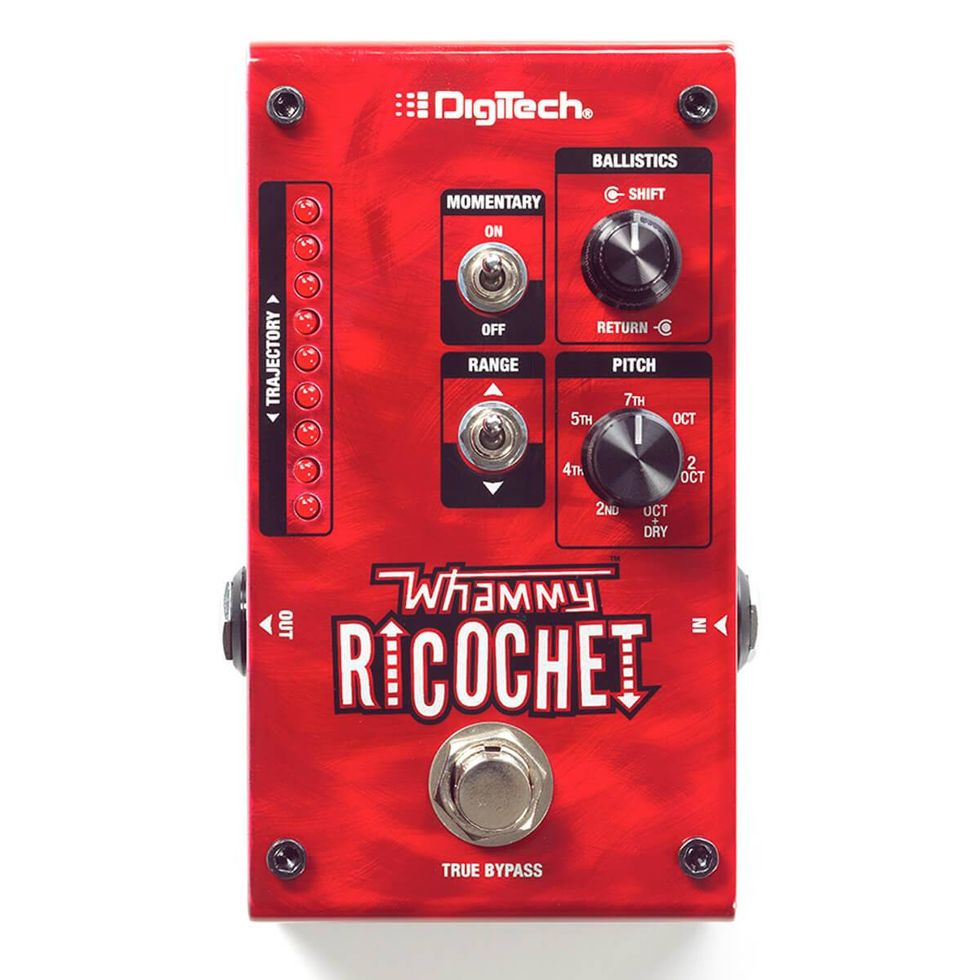
The Whammy Ricochet lets you bounce your playing up or down in pitch in controlled or crazy shifts. A momentary switch and customizable independent rise and fall time ballistics, allow you to get the Whammy action you know and love without the use of a treadle. Just hold your foot on the footswitch and let the Ricochet do the rest. Seven pitch selections – 2nd, 4th, 5th, 7th, Octave, Double Octave, and Octave+Dry, as well as a toggle to select up or down for the selected pitch.
The Whammy Ricochet also has latching footswitch mode so you can rise or fall to pitch and stay there, and an LED ladder that shows your shift trajectory at all times.
All these controls combine to create classic Whammy pitch-shifting as well as new sounds never heard before.
.rbm-pick-card { --rbm-border: ; --rbm-accent: ; border: 2px solid var(--rbm-border, #e53e3e); border-radius: 10px; padding: 16px; background: #fff; font-family: inherit; position: relative; } .rbm-pick-badge { position: absolute; top: -10px; left: 12px; background: var(--rbm-accent, #e53e3e); color: #fff; font-size: 12px; line-height: 1; padding: 6px 10px; border-radius: 6px; font-weight: 700; } .rbm-pick-wrap { display: grid; grid-template-columns: 110px 1fr; gap: 16px; align-items: start; } .rbm-pick-img { aspect-ratio: 1 / 1; /* forces square crop */ overflow: hidden; border-radius: 6px; background: #f3f4f6; /* subtle placeholder */ } .rbm-pick-img img { width: 100%; height: 100%; object-fit: cover; /* crops without distortion */ display: block; } .rbm-pick-title { margin: 0 0 4px; font-size: 20px; font-weight: 800; color: #111; } .rbm-pick-sub { margin: 0 0 12px; font-size: 14px; font-weight: 700; color: #334155; } .rbm-pick-btns { display: grid; gap: 10px; max-width: 560px; } .rbm-pick-btns a { display: block; text-align: center; background: #000; color: #fff !important; text-decoration: none; padding: 12px 14px; border-radius: 8px; font-weight: 800; letter-spacing: .3px; } .rbm-pick-btns a span.price { text-transform: none; } .rbm-pick-btns a span.label { text-transform: uppercase; } /* Responsive */ @media (max-width: 560px) { .rbm-pick-wrap { grid-template-columns: 80px 1fr; } .rbm-pick-title { font-size: 18px; } }
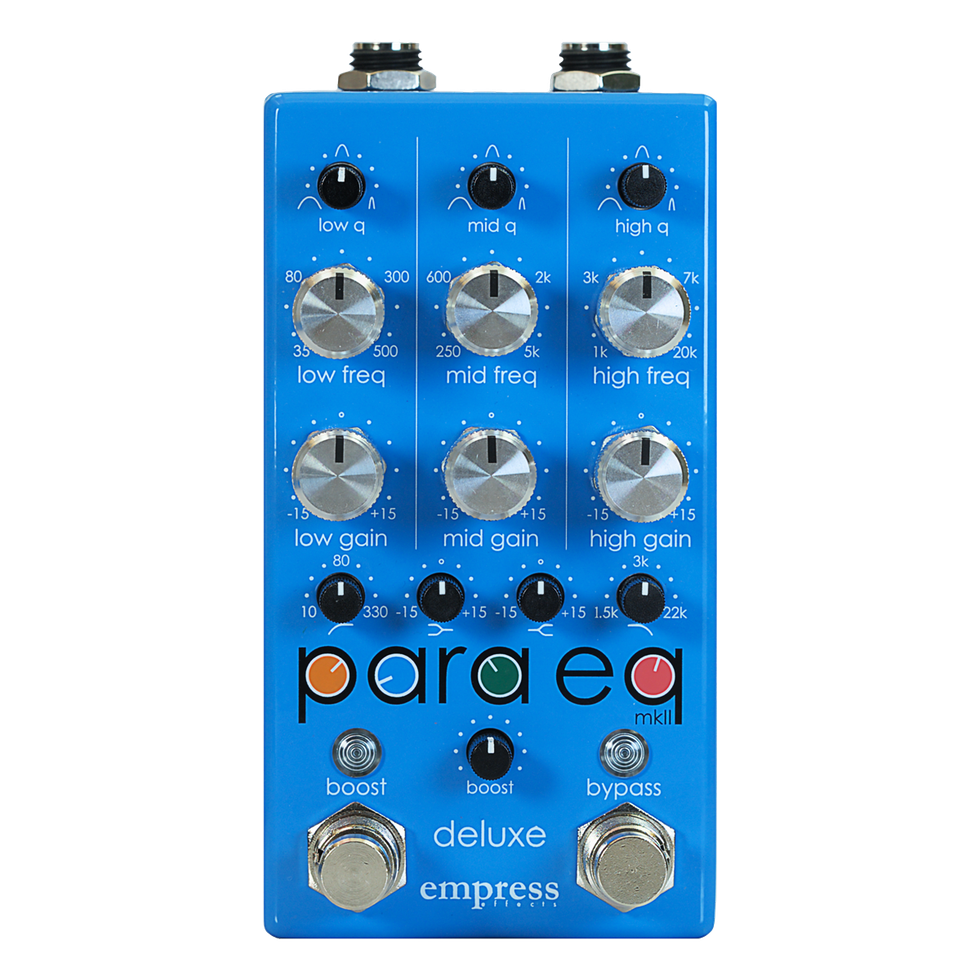
Empress ParaEQ MkII Deluxe
Empress ParaEQ MkII Deluxe
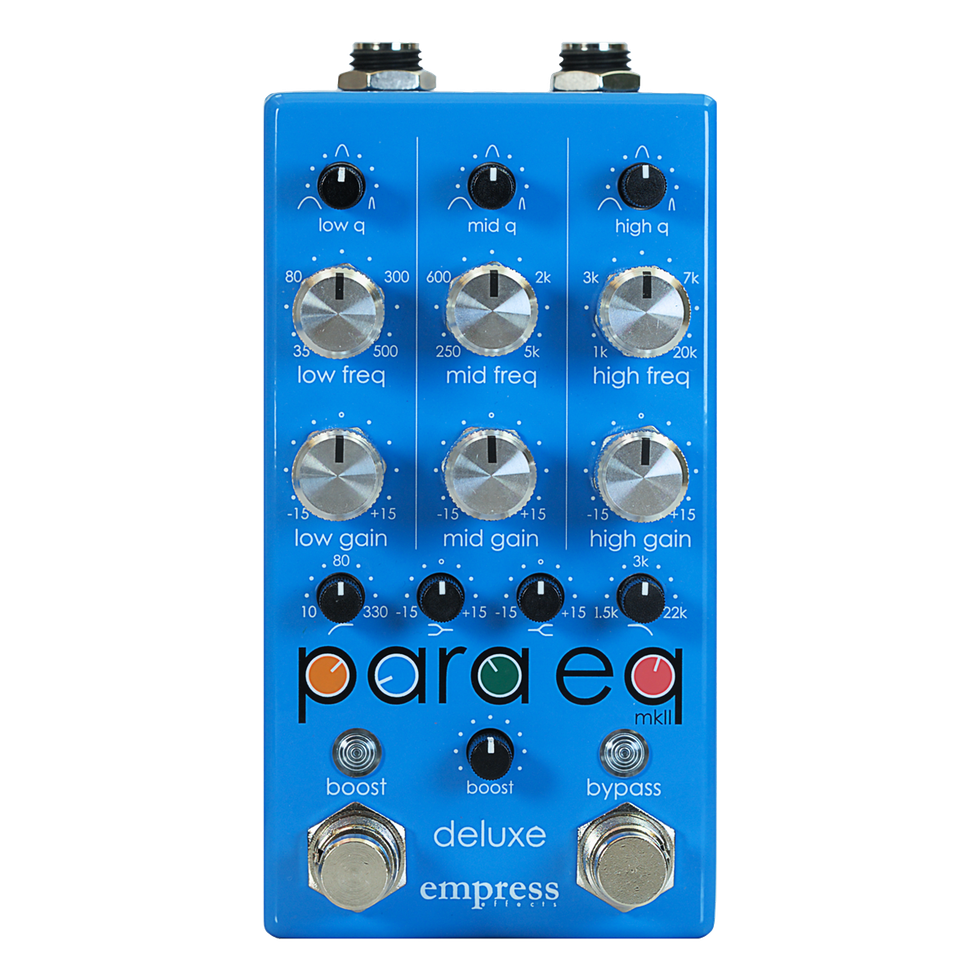
We've brought back the most sought after Parametric EQ pedal with groundbreaking updates.
We kept everything people loved about the original ParaEq and added more fidelity and control.
.rbm-pick-card { --rbm-border: ; --rbm-accent: ; border: 2px solid var(--rbm-border, #e53e3e); border-radius: 10px; padding: 16px; background: #fff; font-family: inherit; position: relative; } .rbm-pick-badge { position: absolute; top: -10px; left: 12px; background: var(--rbm-accent, #e53e3e); color: #fff; font-size: 12px; line-height: 1; padding: 6px 10px; border-radius: 6px; font-weight: 700; } .rbm-pick-wrap { display: grid; grid-template-columns: 110px 1fr; gap: 16px; align-items: start; } .rbm-pick-img { aspect-ratio: 1 / 1; /* forces square crop */ overflow: hidden; border-radius: 6px; background: #f3f4f6; /* subtle placeholder */ } .rbm-pick-img img { width: 100%; height: 100%; object-fit: cover; /* crops without distortion */ display: block; } .rbm-pick-title { margin: 0 0 4px; font-size: 20px; font-weight: 800; color: #111; } .rbm-pick-sub { margin: 0 0 12px; font-size: 14px; font-weight: 700; color: #334155; } .rbm-pick-btns { display: grid; gap: 10px; max-width: 560px; } .rbm-pick-btns a { display: block; text-align: center; background: #000; color: #fff !important; text-decoration: none; padding: 12px 14px; border-radius: 8px; font-weight: 800; letter-spacing: .3px; } .rbm-pick-btns a span.price { text-transform: none; } .rbm-pick-btns a span.label { text-transform: uppercase; } /* Responsive */ @media (max-width: 560px) { .rbm-pick-wrap { grid-template-columns: 80px 1fr; } .rbm-pick-title { font-size: 18px; } }
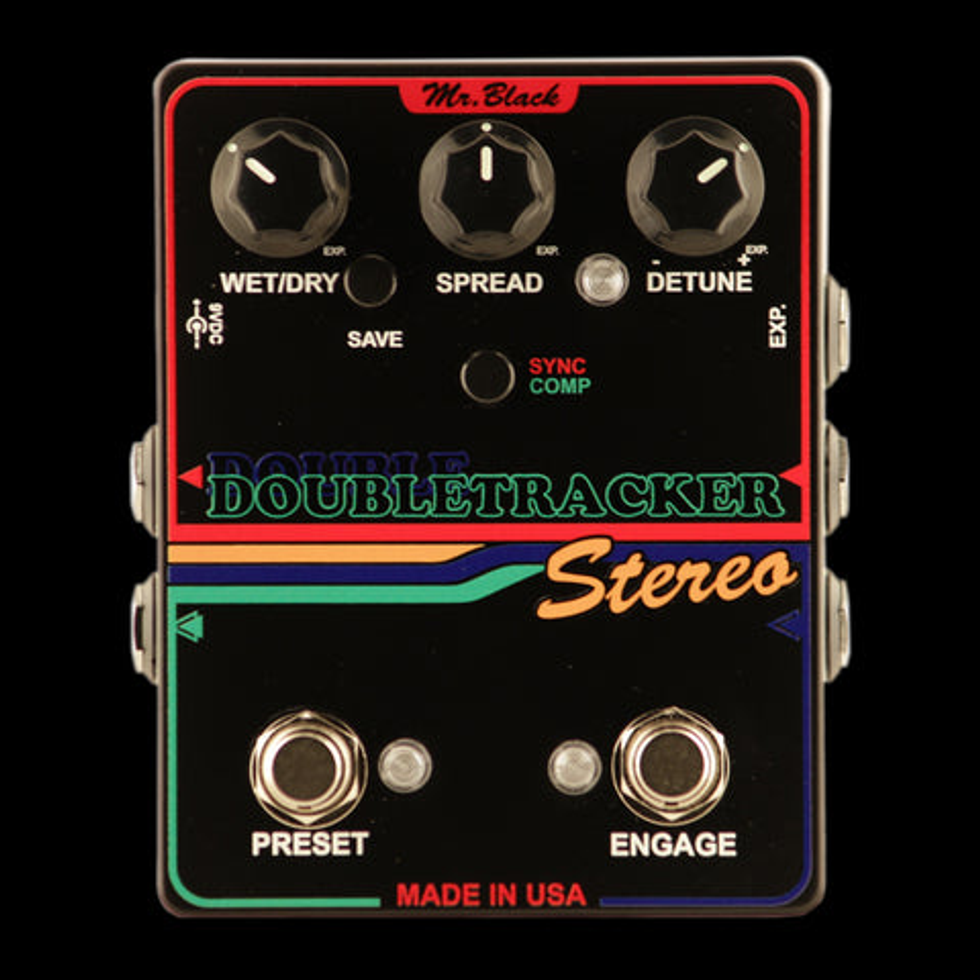
Mr. Black Doubletracker Stereo
Mr. Black Doubletracker Stereo
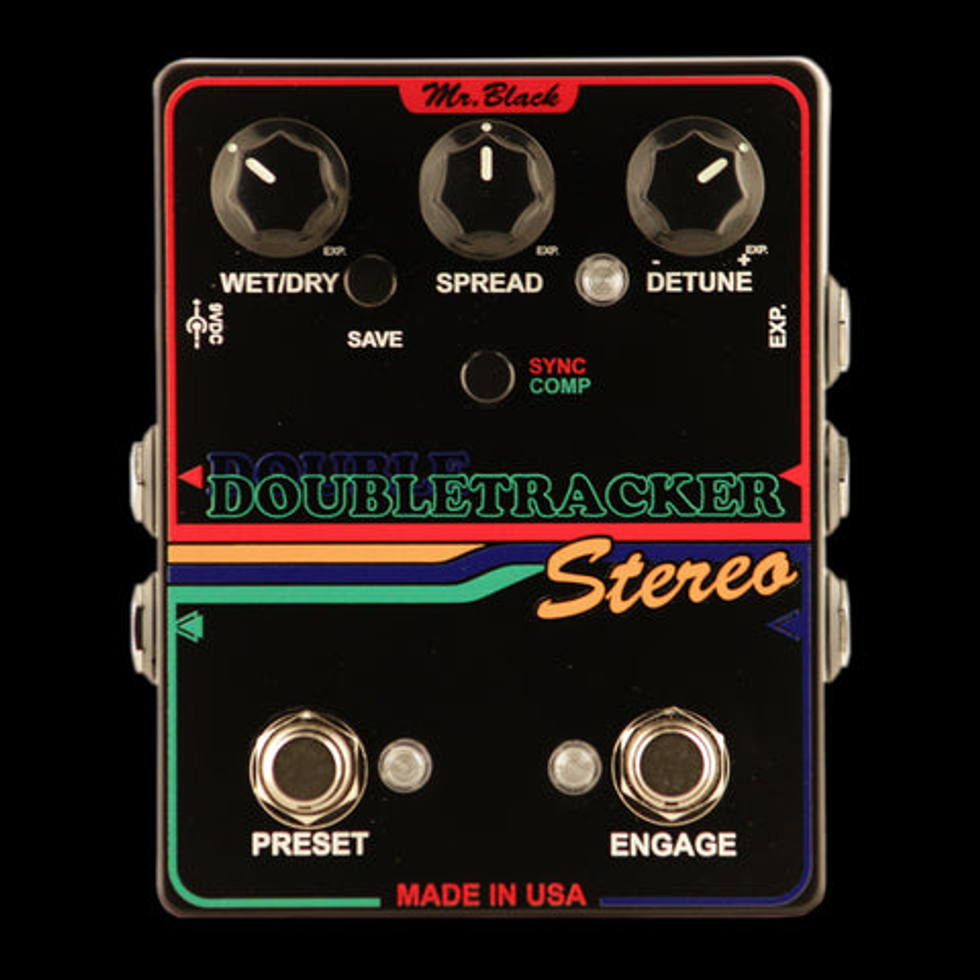
In late 2023, we had a cool idea for a compact pedal, based on a recording technique pioneered in the 1950's… This radical, yet deceptively simple technique elevated great recordings to downright incredible, enhancing the depth, character and tonality through a process called Double Tracking. This simple, yet elusive concept was initially executed by recording a track twice and overlaying the two [nearly] identical takes on top of each other.
Fast forward 70-some years and we can now create "double-tracked" sounds in real-time, delivering the full, rich and complex intensity that was once only possible by employing slick studio tricks during a session!
The 2023 compact DoubleTracker was an instant hit, and we received a ton of feedback and praise regarding the pedal, but there was a reoccurring theme within…
Make it STEREO!!
Well, it wasn’t easy, but we are VERY proud to say: we did it! And it sounds marvelous. (Literally marvelous, as in something one will marvel at/about.)
.rbm-pick-card { --rbm-border: ; --rbm-accent: ; border: 2px solid var(--rbm-border, #e53e3e); border-radius: 10px; padding: 16px; background: #fff; font-family: inherit; position: relative; } .rbm-pick-badge { position: absolute; top: -10px; left: 12px; background: var(--rbm-accent, #e53e3e); color: #fff; font-size: 12px; line-height: 1; padding: 6px 10px; border-radius: 6px; font-weight: 700; } .rbm-pick-wrap { display: grid; grid-template-columns: 110px 1fr; gap: 16px; align-items: start; } .rbm-pick-img { aspect-ratio: 1 / 1; /* forces square crop */ overflow: hidden; border-radius: 6px; background: #f3f4f6; /* subtle placeholder */ } .rbm-pick-img img { width: 100%; height: 100%; object-fit: cover; /* crops without distortion */ display: block; } .rbm-pick-title { margin: 0 0 4px; font-size: 20px; font-weight: 800; color: #111; } .rbm-pick-sub { margin: 0 0 12px; font-size: 14px; font-weight: 700; color: #334155; } .rbm-pick-btns { display: grid; gap: 10px; max-width: 560px; } .rbm-pick-btns a { display: block; text-align: center; background: #000; color: #fff !important; text-decoration: none; padding: 12px 14px; border-radius: 8px; font-weight: 800; letter-spacing: .3px; } .rbm-pick-btns a span.price { text-transform: none; } .rbm-pick-btns a span.label { text-transform: uppercase; } /* Responsive */ @media (max-width: 560px) { .rbm-pick-wrap { grid-template-columns: 80px 1fr; } .rbm-pick-title { font-size: 18px; } }
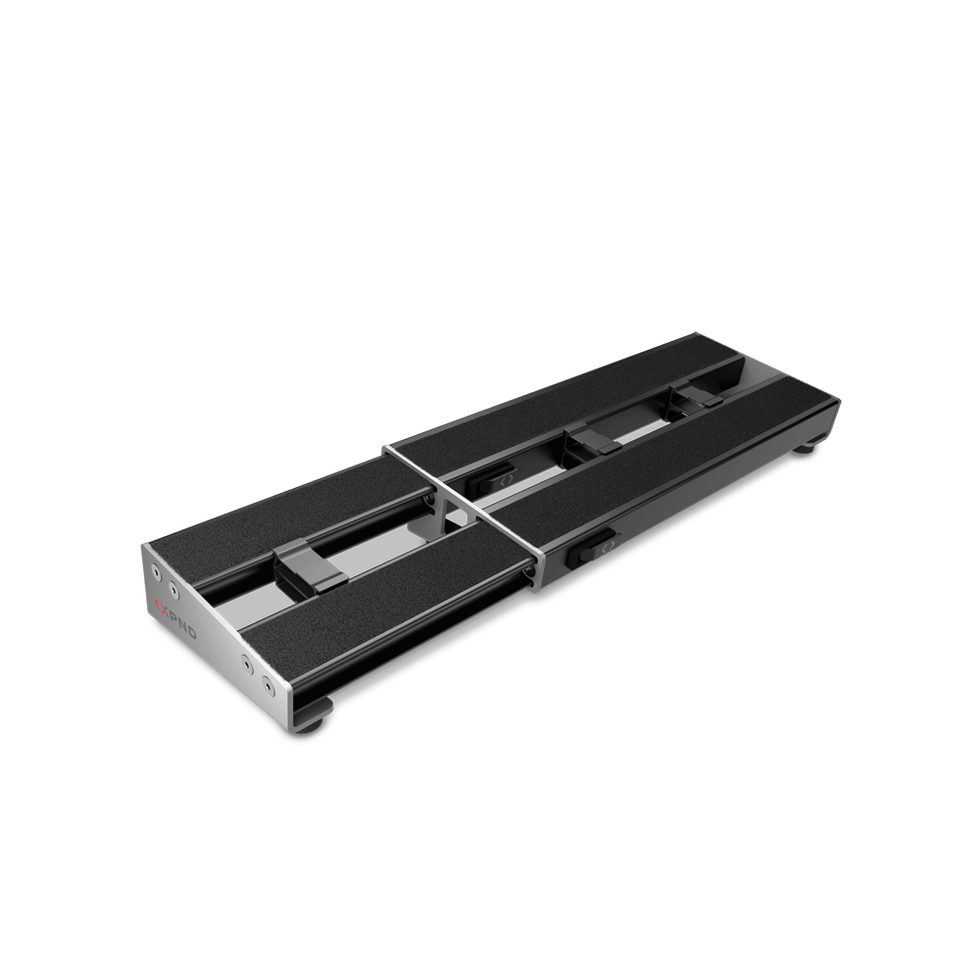
D’Addario XPPB-02 Double Row Pedalboard
D’Addario XPPB-02 Double Row Pedalboard
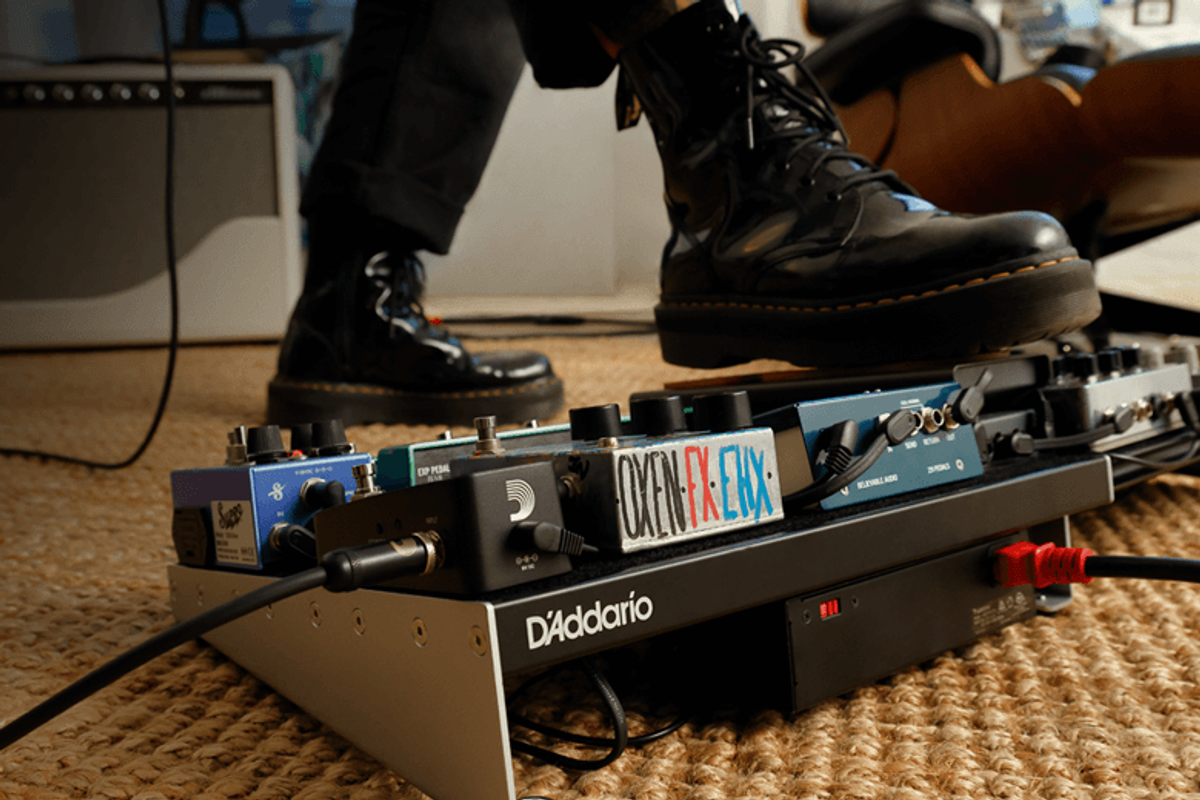
XPND is the pedalboard that adapts to you. With its patented telescoping technology, XPND lets you instantly change the size of your board and number of pedals – forever expanding your sonic potential. XPND also features a unique cable management system and comes fitted with loop Velcro, keeping everything neat, while making swapping pedals super easy. XPND 1 is built to accommodate one row of pedals and is expandable from 14" to 24" and XPND 2 is built to accommodate two rows of pedals and is expandable from 17"to 31".
.rbm-pick-card { --rbm-border: ; --rbm-accent: ; border: 2px solid var(--rbm-border, #e53e3e); border-radius: 10px; padding: 16px; background: #fff; font-family: inherit; position: relative; } .rbm-pick-badge { position: absolute; top: -10px; left: 12px; background: var(--rbm-accent, #e53e3e); color: #fff; font-size: 12px; line-height: 1; padding: 6px 10px; border-radius: 6px; font-weight: 700; } .rbm-pick-wrap { display: grid; grid-template-columns: 110px 1fr; gap: 16px; align-items: start; } .rbm-pick-img { aspect-ratio: 1 / 1; /* forces square crop */ overflow: hidden; border-radius: 6px; background: #f3f4f6; /* subtle placeholder */ } .rbm-pick-img img { width: 100%; height: 100%; object-fit: cover; /* crops without distortion */ display: block; } .rbm-pick-title { margin: 0 0 4px; font-size: 20px; font-weight: 800; color: #111; } .rbm-pick-sub { margin: 0 0 12px; font-size: 14px; font-weight: 700; color: #334155; } .rbm-pick-btns { display: grid; gap: 10px; max-width: 560px; } .rbm-pick-btns a { display: block; text-align: center; background: #000; color: #fff !important; text-decoration: none; padding: 12px 14px; border-radius: 8px; font-weight: 800; letter-spacing: .3px; } .rbm-pick-btns a span.price { text-transform: none; } .rbm-pick-btns a span.label { text-transform: uppercase; } /* Responsive */ @media (max-width: 560px) { .rbm-pick-wrap { grid-template-columns: 80px 1fr; } .rbm-pick-title { font-size: 18px; } }
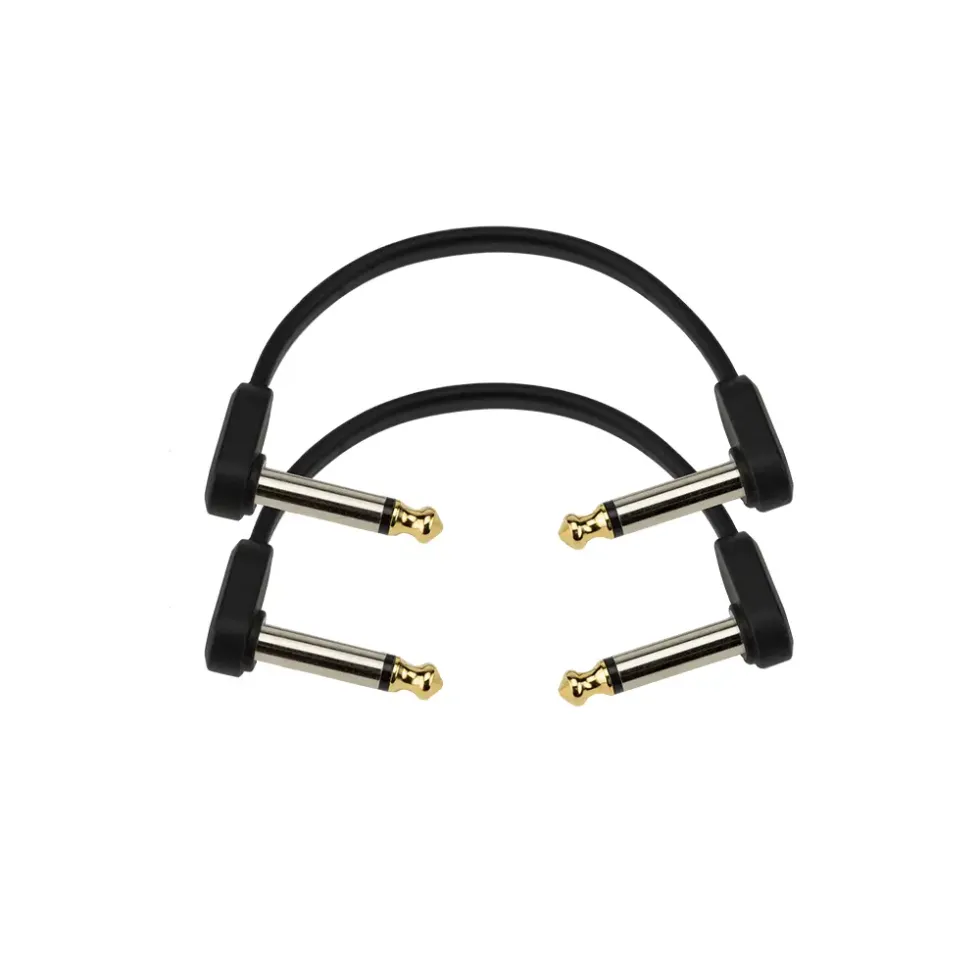
D'Addario Flat Patch Cables
D'Addario Flat Patch Cables
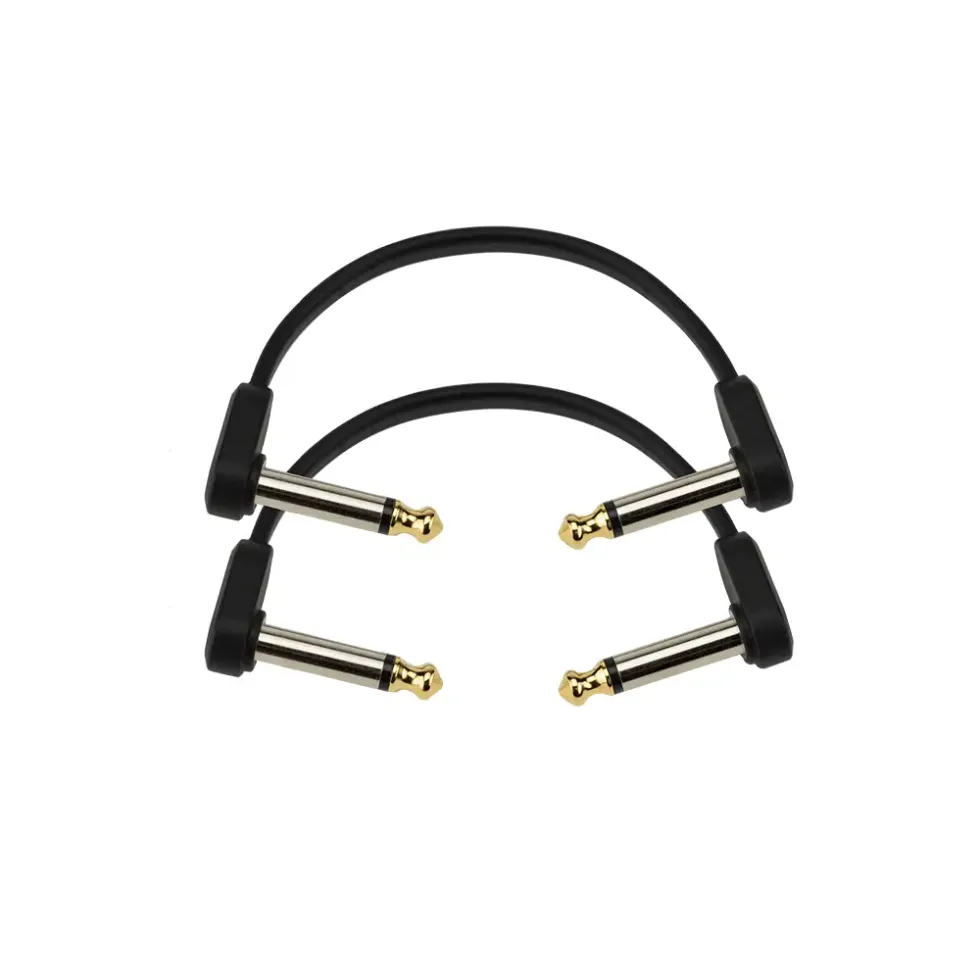
D’Addario’s Custom Series Flat Patch Cables optimize pedalboard space by allowing you to place pedals closer together while accurately transferring all the subtle details of your playing. Utilizing the latest in high-quality instrument cable manufacturing technology, these cables feature an oxygen-free coaxial copper conductor with two layers of noise-rejecting shielding, formulated for extremely low capacitance and handling noise. The lower cable capacitance allows your instrument’s brilliance, presence and character to be transmitted with the utmost transparency. The Flat Patch Cable plugs feature the patented Geo-Tip™, ensuring a secure connection in any instrument, pedal, or amplifier. Additionally, encapsulated soldering points and molded strain relief combine to deliver the ultimate long lasting, high-performance patch cable.
.rbm-pick-card { --rbm-border: ; --rbm-accent: ; border: 2px solid var(--rbm-border, #e53e3e); border-radius: 10px; padding: 16px; background: #fff; font-family: inherit; position: relative; } .rbm-pick-badge { position: absolute; top: -10px; left: 12px; background: var(--rbm-accent, #e53e3e); color: #fff; font-size: 12px; line-height: 1; padding: 6px 10px; border-radius: 6px; font-weight: 700; } .rbm-pick-wrap { display: grid; grid-template-columns: 110px 1fr; gap: 16px; align-items: start; } .rbm-pick-img { aspect-ratio: 1 / 1; /* forces square crop */ overflow: hidden; border-radius: 6px; background: #f3f4f6; /* subtle placeholder */ } .rbm-pick-img img { width: 100%; height: 100%; object-fit: cover; /* crops without distortion */ display: block; } .rbm-pick-title { margin: 0 0 4px; font-size: 20px; font-weight: 800; color: #111; } .rbm-pick-sub { margin: 0 0 12px; font-size: 14px; font-weight: 700; color: #334155; } .rbm-pick-btns { display: grid; gap: 10px; max-width: 560px; } .rbm-pick-btns a { display: block; text-align: center; background: #000; color: #fff !important; text-decoration: none; padding: 12px 14px; border-radius: 8px; font-weight: 800; letter-spacing: .3px; } .rbm-pick-btns a span.price { text-transform: none; } .rbm-pick-btns a span.label { text-transform: uppercase; } /* Responsive */ @media (max-width: 560px) { .rbm-pick-wrap { grid-template-columns: 80px 1fr; } .rbm-pick-title { font-size: 18px; } }
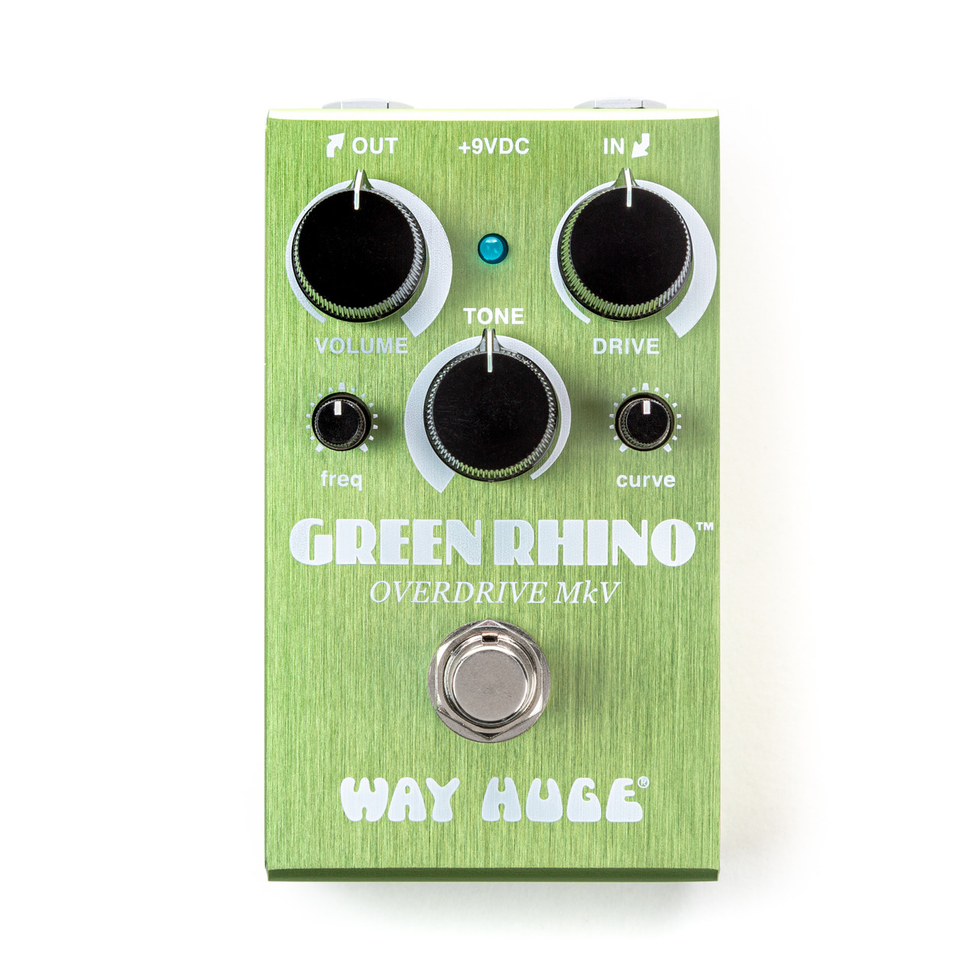
WAY HUGE® SMALLS™ GREEN RHINO™ OVERDRIVE MKV
WAY HUGE® SMALLS™ GREEN RHINO™ OVERDRIVE MKV
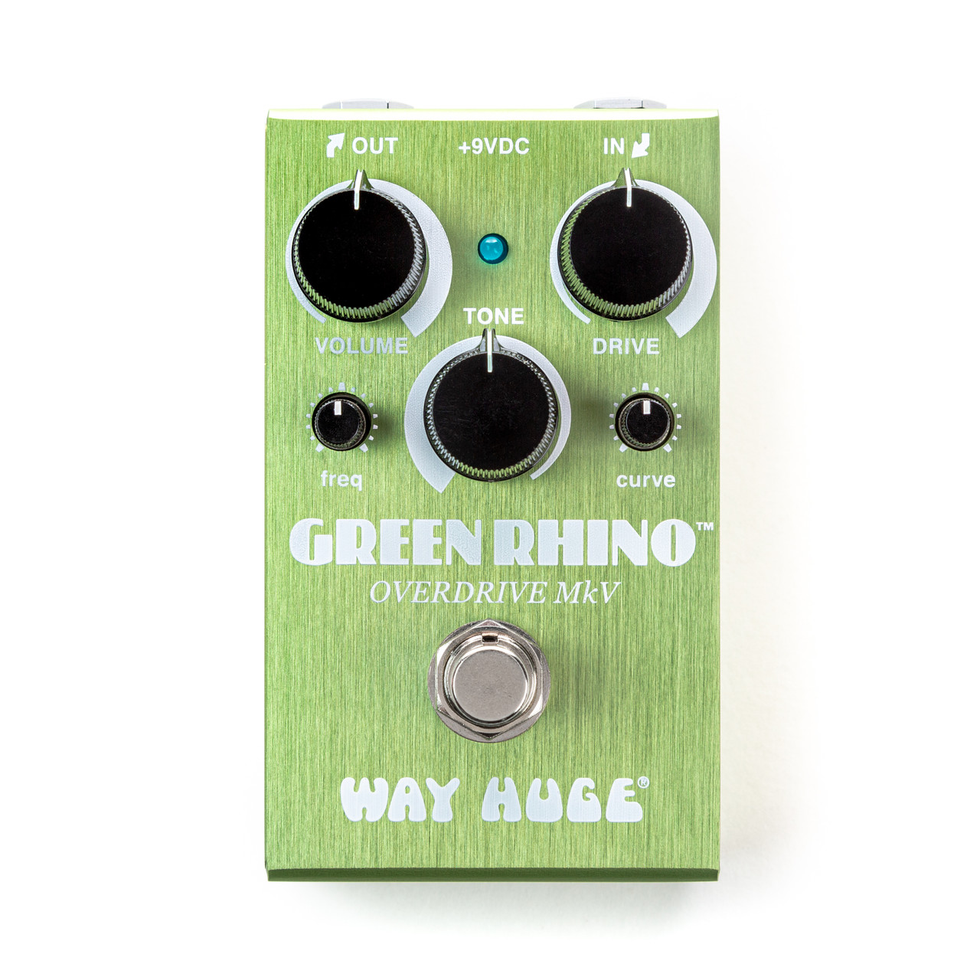
This pedal packs the Green Rhino Overdrive's beloved stampede of gritty, gnarly overdrive tones into a super pedalboard-friendly housing.
.rbm-pick-card { --rbm-border: ; --rbm-accent: ; border: 2px solid var(--rbm-border, #e53e3e); border-radius: 10px; padding: 16px; background: #fff; font-family: inherit; position: relative; } .rbm-pick-badge { position: absolute; top: -10px; left: 12px; background: var(--rbm-accent, #e53e3e); color: #fff; font-size: 12px; line-height: 1; padding: 6px 10px; border-radius: 6px; font-weight: 700; } .rbm-pick-wrap { display: grid; grid-template-columns: 110px 1fr; gap: 16px; align-items: start; } .rbm-pick-img { aspect-ratio: 1 / 1; /* forces square crop */ overflow: hidden; border-radius: 6px; background: #f3f4f6; /* subtle placeholder */ } .rbm-pick-img img { width: 100%; height: 100%; object-fit: cover; /* crops without distortion */ display: block; } .rbm-pick-title { margin: 0 0 4px; font-size: 20px; font-weight: 800; color: #111; } .rbm-pick-sub { margin: 0 0 12px; font-size: 14px; font-weight: 700; color: #334155; } .rbm-pick-btns { display: grid; gap: 10px; max-width: 560px; } .rbm-pick-btns a { display: block; text-align: center; background: #000; color: #fff !important; text-decoration: none; padding: 12px 14px; border-radius: 8px; font-weight: 800; letter-spacing: .3px; } .rbm-pick-btns a span.price { text-transform: none; } .rbm-pick-btns a span.label { text-transform: uppercase; } /* Responsive */ @media (max-width: 560px) { .rbm-pick-wrap { grid-template-columns: 80px 1fr; } .rbm-pick-title { font-size: 18px; } }
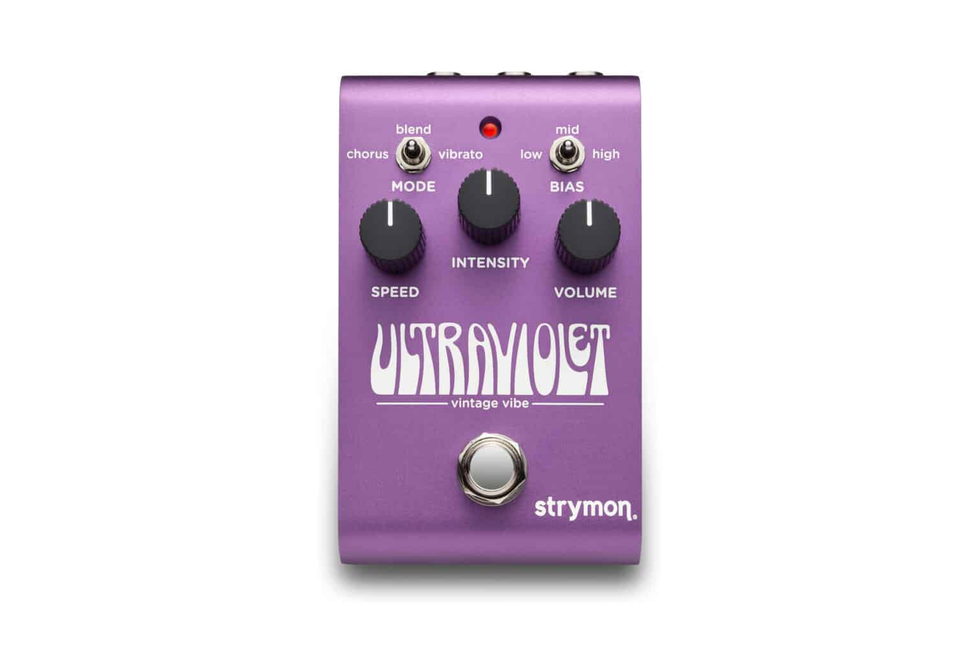
Strymon Ultraviolet
Strymon Ultraviolet
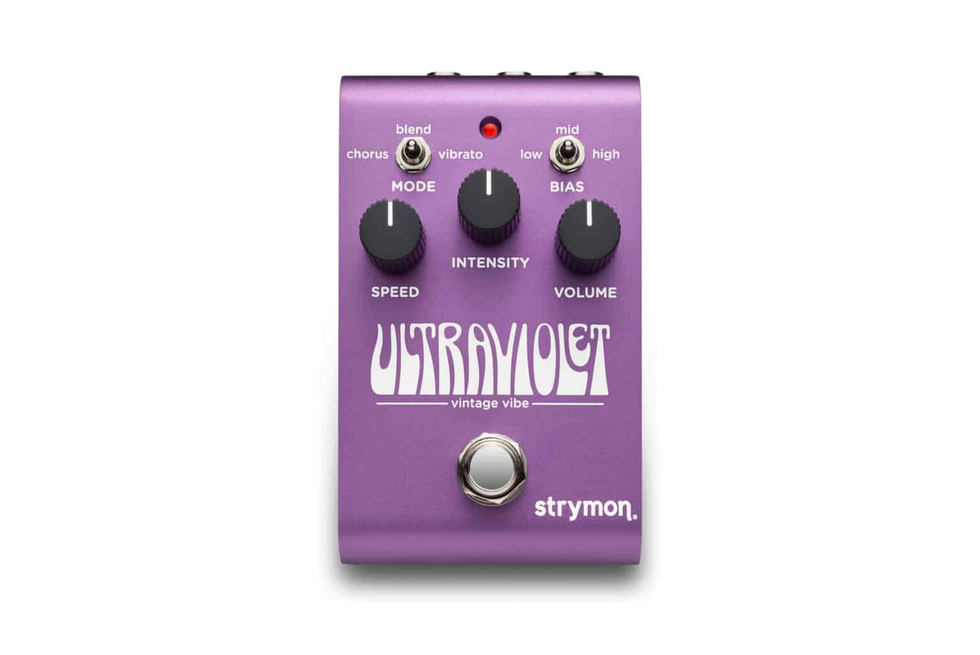
A warm grittiness to the warble, a rippling, wooshing, bubbling irregularity to the modulation and a dynamic response to your picking are all hallmarks of the true vibe experience.
Thicker and chewier than any chorus, earthier than any phaser and uniquely magical in front of a driven amp, the perfect vibe pedal moves you to dig in and play without inhibition.
This feeling has been difficult to find outside of large and expensive fully-analog boutique units, but the search for that elusive experience is now over.
Delivering vintage vibe tone that’s second to none with simple and powerful controls for instantly obtaining a rich variety of captivating sounds, UltraViolet is the vibe pedal you’ve been looking for.
.rbm-pick-card { --rbm-border: ; --rbm-accent: ; border: 2px solid var(--rbm-border, #e53e3e); border-radius: 10px; padding: 16px; background: #fff; font-family: inherit; position: relative; } .rbm-pick-badge { position: absolute; top: -10px; left: 12px; background: var(--rbm-accent, #e53e3e); color: #fff; font-size: 12px; line-height: 1; padding: 6px 10px; border-radius: 6px; font-weight: 700; } .rbm-pick-wrap { display: grid; grid-template-columns: 110px 1fr; gap: 16px; align-items: start; } .rbm-pick-img { aspect-ratio: 1 / 1; /* forces square crop */ overflow: hidden; border-radius: 6px; background: #f3f4f6; /* subtle placeholder */ } .rbm-pick-img img { width: 100%; height: 100%; object-fit: cover; /* crops without distortion */ display: block; } .rbm-pick-title { margin: 0 0 4px; font-size: 20px; font-weight: 800; color: #111; } .rbm-pick-sub { margin: 0 0 12px; font-size: 14px; font-weight: 700; color: #334155; } .rbm-pick-btns { display: grid; gap: 10px; max-width: 560px; } .rbm-pick-btns a { display: block; text-align: center; background: #000; color: #fff !important; text-decoration: none; padding: 12px 14px; border-radius: 8px; font-weight: 800; letter-spacing: .3px; } .rbm-pick-btns a span.price { text-transform: none; } .rbm-pick-btns a span.label { text-transform: uppercase; } /* Responsive */ @media (max-width: 560px) { .rbm-pick-wrap { grid-template-columns: 80px 1fr; } .rbm-pick-title { font-size: 18px; } }
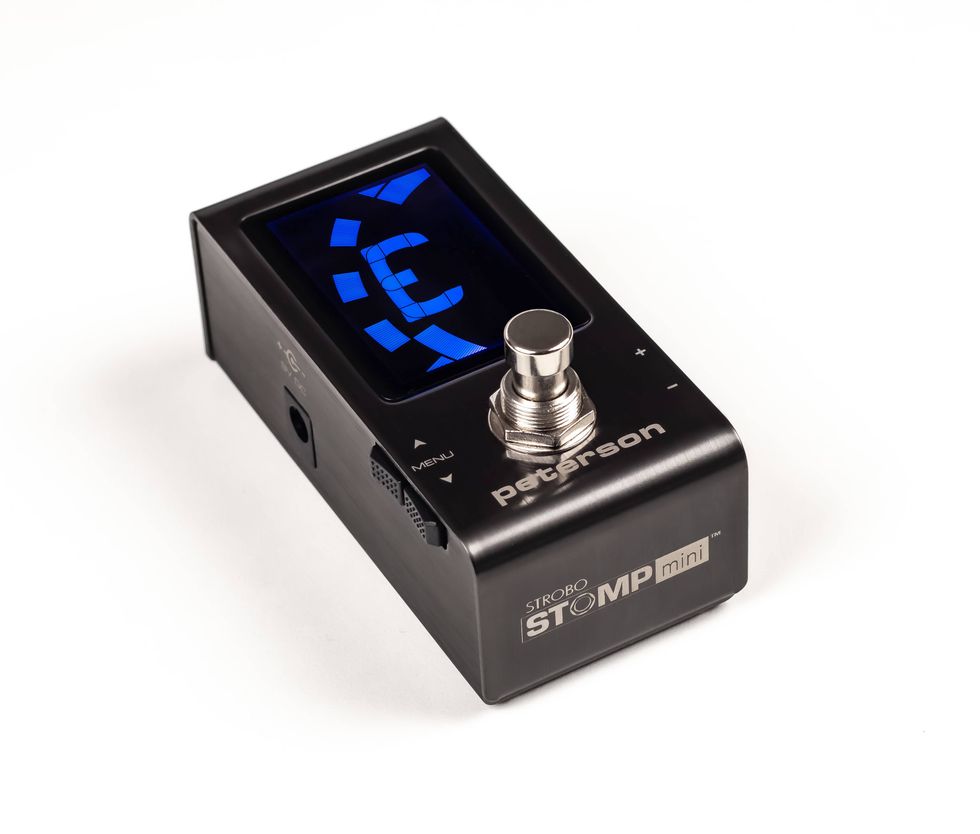
Peterson Tuners Strobostomp Mini
Peterson Tuners Strobostomp Mini
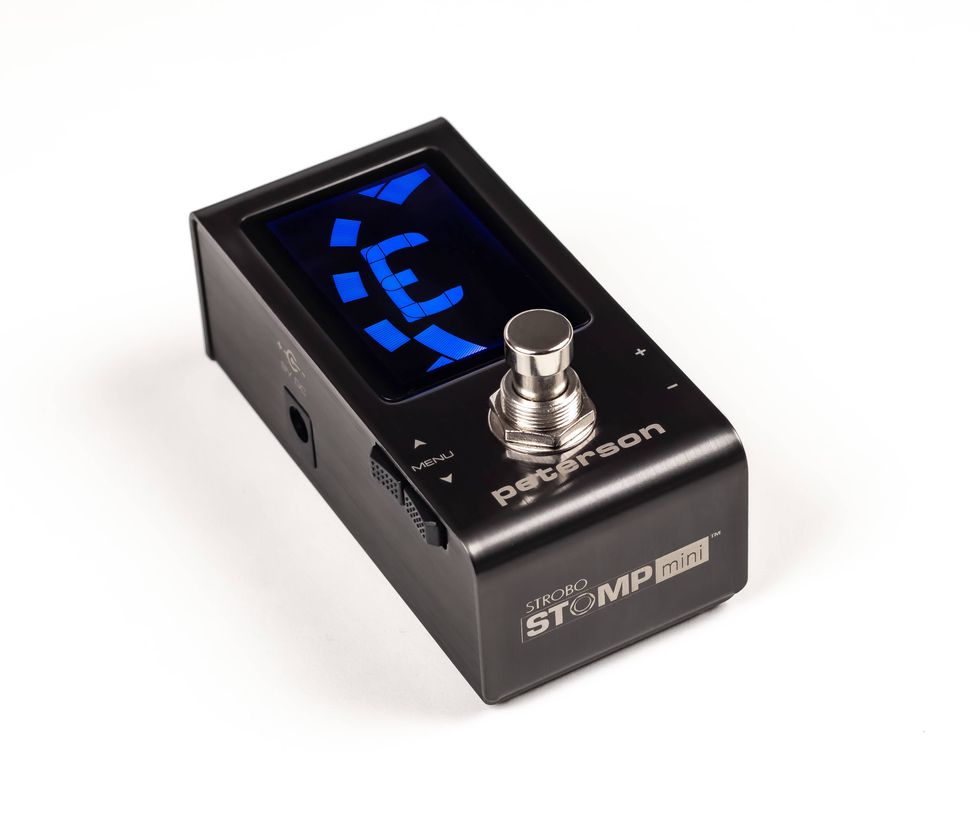
The StroboStomp Mini™ delivers the unmatched 0.1 cent tuning accuracy of all authentic Peterson Strobe Tuners in a mini pedal tuner format. We designed StroboStomp Mini around the most requested features from our customers: a mini form factor, and top mounted jacks.
.rbm-pick-card { --rbm-border: ; --rbm-accent: ; border: 2px solid var(--rbm-border, #e53e3e); border-radius: 10px; padding: 16px; background: #fff; font-family: inherit; position: relative; } .rbm-pick-badge { position: absolute; top: -10px; left: 12px; background: var(--rbm-accent, #e53e3e); color: #fff; font-size: 12px; line-height: 1; padding: 6px 10px; border-radius: 6px; font-weight: 700; } .rbm-pick-wrap { display: grid; grid-template-columns: 110px 1fr; gap: 16px; align-items: start; } .rbm-pick-img { aspect-ratio: 1 / 1; /* forces square crop */ overflow: hidden; border-radius: 6px; background: #f3f4f6; /* subtle placeholder */ } .rbm-pick-img img { width: 100%; height: 100%; object-fit: cover; /* crops without distortion */ display: block; } .rbm-pick-title { margin: 0 0 4px; font-size: 20px; font-weight: 800; color: #111; } .rbm-pick-sub { margin: 0 0 12px; font-size: 14px; font-weight: 700; color: #334155; } .rbm-pick-btns { display: grid; gap: 10px; max-width: 560px; } .rbm-pick-btns a { display: block; text-align: center; background: #000; color: #fff !important; text-decoration: none; padding: 12px 14px; border-radius: 8px; font-weight: 800; letter-spacing: .3px; } .rbm-pick-btns a span.price { text-transform: none; } .rbm-pick-btns a span.label { text-transform: uppercase; } /* Responsive */ @media (max-width: 560px) { .rbm-pick-wrap { grid-template-columns: 80px 1fr; } .rbm-pick-title { font-size: 18px; } }
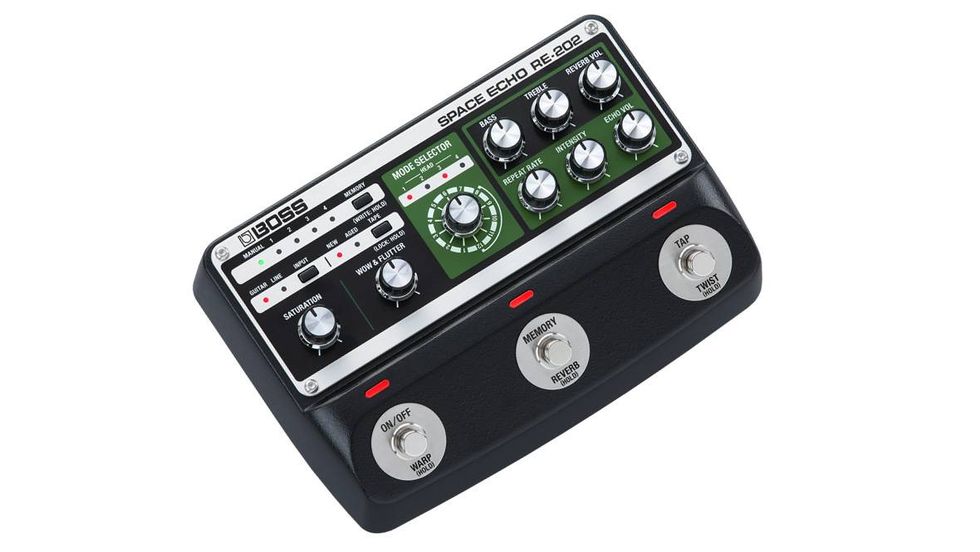
Boss RE-202 Space Echo
Boss RE-202 Space Echo
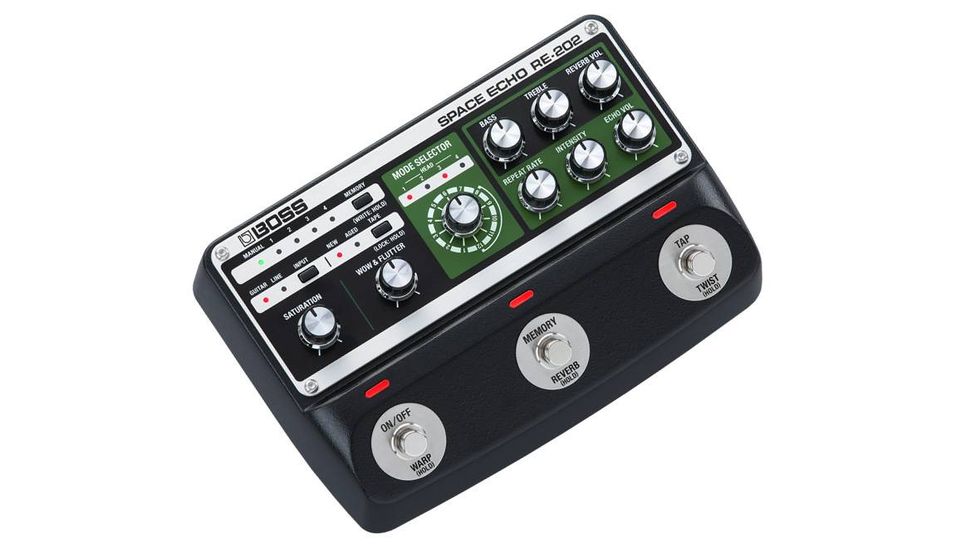
Introduced in 1974, the Roland RE-201 Space Echo stands among the most legendary and sought-after effect units ever produced. This tape-based classic remained in production for over 14 straight years, and its distinctive rhythmic echo sounds, warm character, and highly playable sonic quirks still inspire musicians, producers, and audio mixers over four decades on.
Backed by intensive R&D and our latest innovations, the RE-202 faithfully delivers the authentic sound and behavior of the Space Echo like never before. Built by the company that designed the original, this advanced pedal captures the RE-201’s magic in flawless detail, from the magnetic tape and motor properties to the vibrant spring reverb and colorful preamp circuit. And to take things even further, we’ve expanded the vintage Space Echo experience with lots of new features tuned for today’s music.
.rbm-pick-card { --rbm-border: ; --rbm-accent: ; border: 2px solid var(--rbm-border, #e53e3e); border-radius: 10px; padding: 16px; background: #fff; font-family: inherit; position: relative; } .rbm-pick-badge { position: absolute; top: -10px; left: 12px; background: var(--rbm-accent, #e53e3e); color: #fff; font-size: 12px; line-height: 1; padding: 6px 10px; border-radius: 6px; font-weight: 700; } .rbm-pick-wrap { display: grid; grid-template-columns: 110px 1fr; gap: 16px; align-items: start; } .rbm-pick-img { aspect-ratio: 1 / 1; /* forces square crop */ overflow: hidden; border-radius: 6px; background: #f3f4f6; /* subtle placeholder */ } .rbm-pick-img img { width: 100%; height: 100%; object-fit: cover; /* crops without distortion */ display: block; } .rbm-pick-title { margin: 0 0 4px; font-size: 20px; font-weight: 800; color: #111; } .rbm-pick-sub { margin: 0 0 12px; font-size: 14px; font-weight: 700; color: #334155; } .rbm-pick-btns { display: grid; gap: 10px; max-width: 560px; } .rbm-pick-btns a { display: block; text-align: center; background: #000; color: #fff !important; text-decoration: none; padding: 12px 14px; border-radius: 8px; font-weight: 800; letter-spacing: .3px; } .rbm-pick-btns a span.price { text-transform: none; } .rbm-pick-btns a span.label { text-transform: uppercase; } /* Responsive */ @media (max-width: 560px) { .rbm-pick-wrap { grid-template-columns: 80px 1fr; } .rbm-pick-title { font-size: 18px; } }
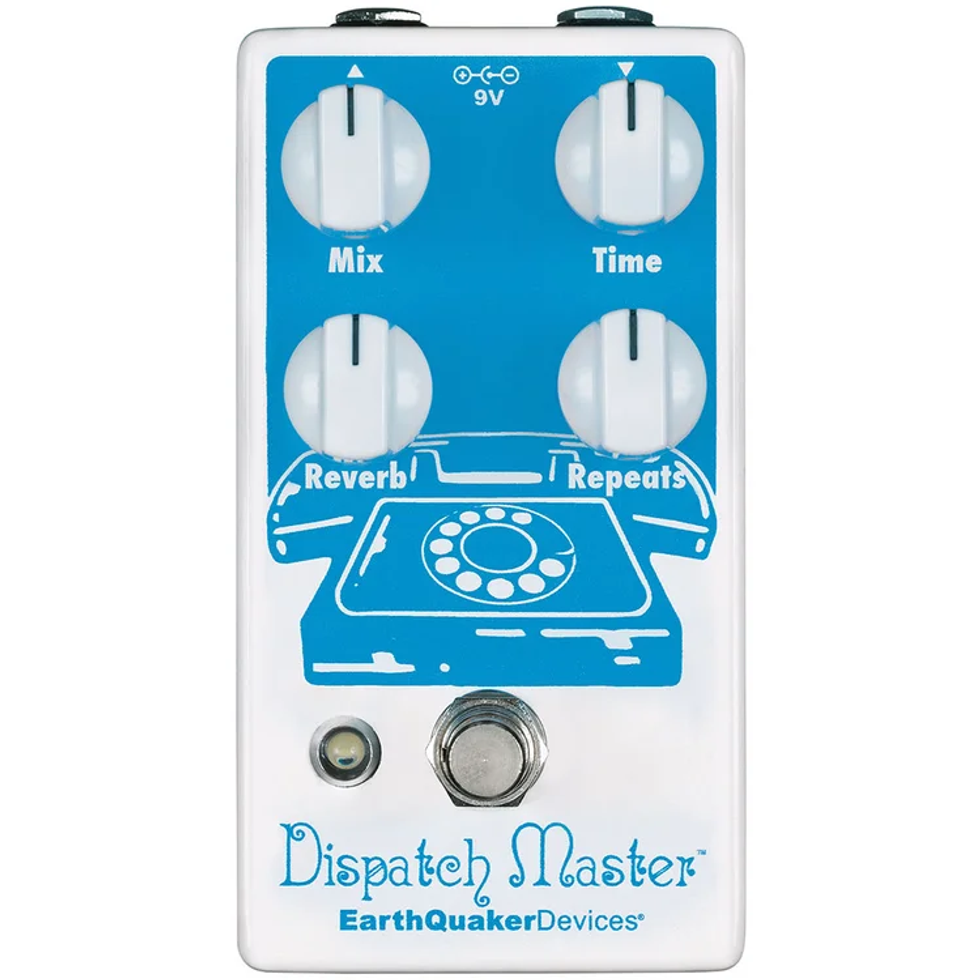
Earthquaker Devices Dispatch Master
Earthquaker Devices Dispatch Master
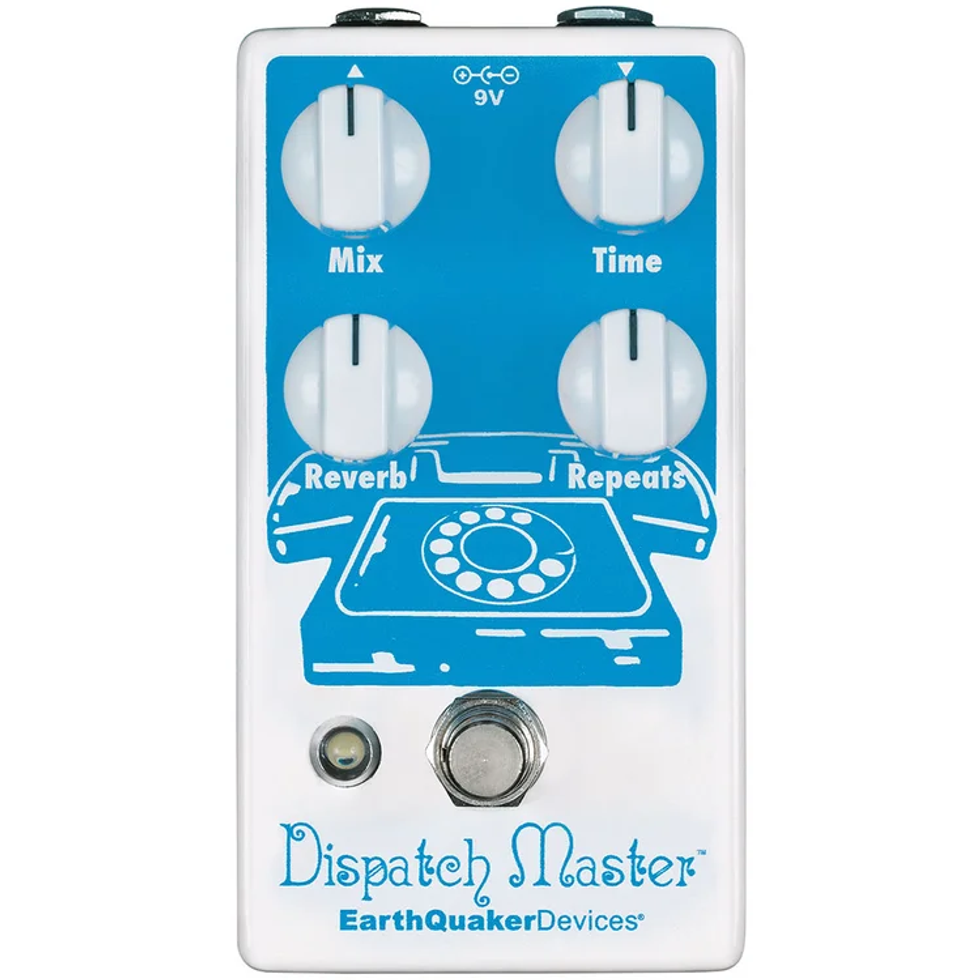
The Dispatch Master is a hi-fi digital Delay & Reverb Device that combines independent delay and reverb effects into one space-saving enclosure, so you can keep deep ambient echoes (or just a quick slapback) on speed-dial.
The best-selling EarthQuaker Devices pedal just got bester [sic] with new Flexi-Switch® Technology! Want to dip into ambient delay and reverb sounds for just one note? Press and hold the footswitch for as long as you use the effect, release it when you’re finished, and resume your regularly scheduled dry sound. To use the Dispatch Master as a normal effects pedal, press the switch once to activate and again to bypass.
.rbm-pick-card { --rbm-border: ; --rbm-accent: ; border: 2px solid var(--rbm-border, #e53e3e); border-radius: 10px; padding: 16px; background: #fff; font-family: inherit; position: relative; } .rbm-pick-badge { position: absolute; top: -10px; left: 12px; background: var(--rbm-accent, #e53e3e); color: #fff; font-size: 12px; line-height: 1; padding: 6px 10px; border-radius: 6px; font-weight: 700; } .rbm-pick-wrap { display: grid; grid-template-columns: 110px 1fr; gap: 16px; align-items: start; } .rbm-pick-img { aspect-ratio: 1 / 1; /* forces square crop */ overflow: hidden; border-radius: 6px; background: #f3f4f6; /* subtle placeholder */ } .rbm-pick-img img { width: 100%; height: 100%; object-fit: cover; /* crops without distortion */ display: block; } .rbm-pick-title { margin: 0 0 4px; font-size: 20px; font-weight: 800; color: #111; } .rbm-pick-sub { margin: 0 0 12px; font-size: 14px; font-weight: 700; color: #334155; } .rbm-pick-btns { display: grid; gap: 10px; max-width: 560px; } .rbm-pick-btns a { display: block; text-align: center; background: #000; color: #fff !important; text-decoration: none; padding: 12px 14px; border-radius: 8px; font-weight: 800; letter-spacing: .3px; } .rbm-pick-btns a span.price { text-transform: none; } .rbm-pick-btns a span.label { text-transform: uppercase; } /* Responsive */ @media (max-width: 560px) { .rbm-pick-wrap { grid-template-columns: 80px 1fr; } .rbm-pick-title { font-size: 18px; } }
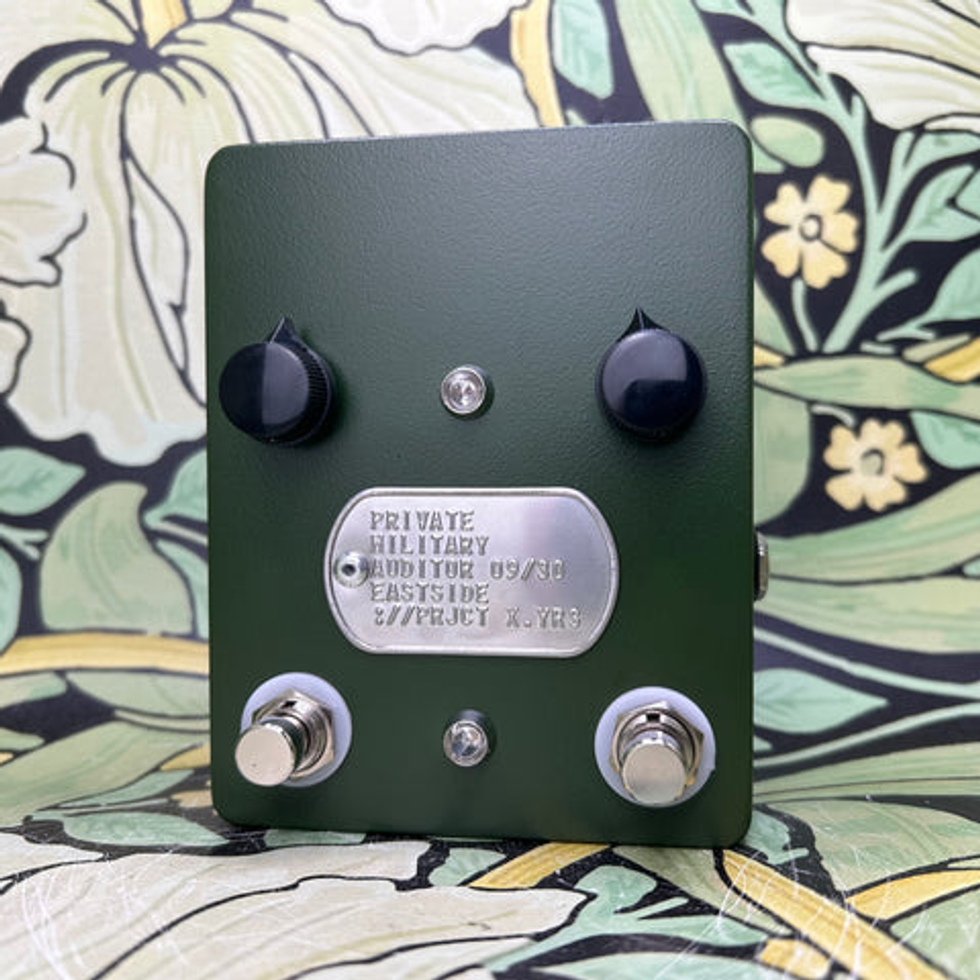
Yesterday Effects Private Military Auditor - Eastside Exclusive
Yesterday Effects Private Military Auditor
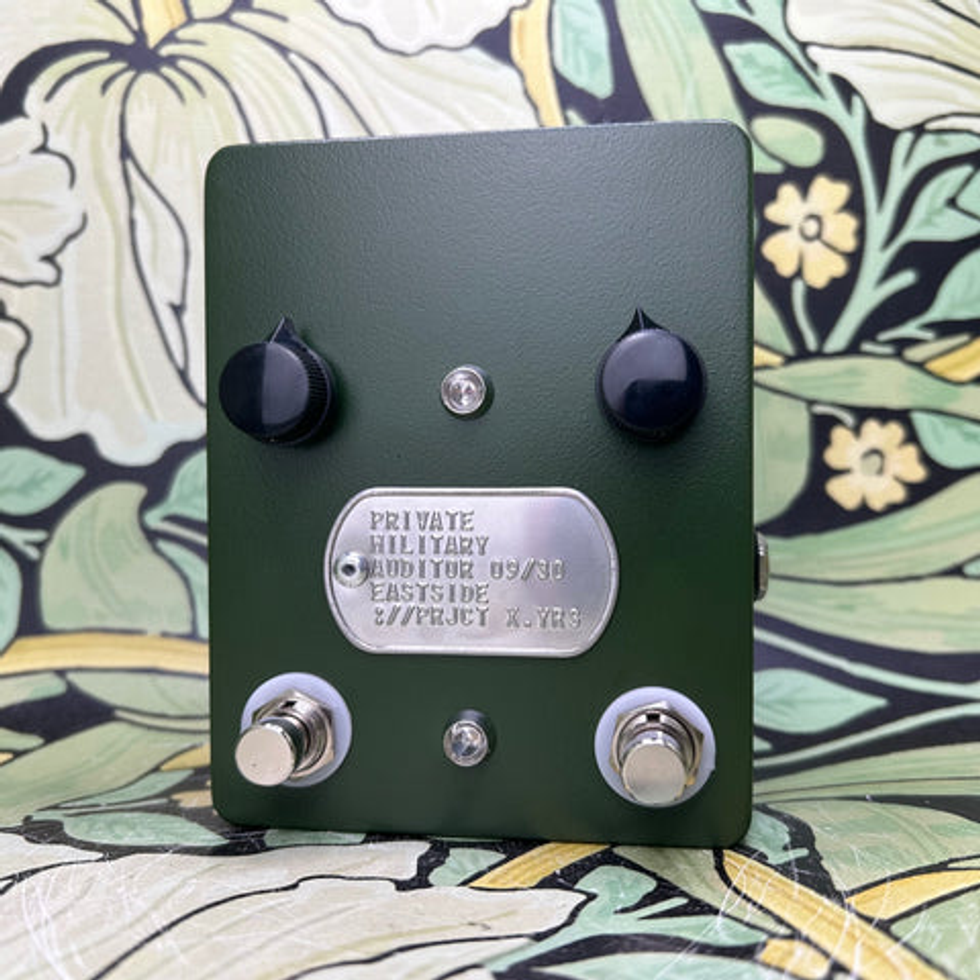
The Private Military Auditor is a collaboration between Yesterday Effects and us, your favorite real life music store in the whole world, eastside music supply.
What we got here is a highly tuned, 2-in-1 fuzzstortion + filter. One knob a piece, with the optional expression port out to sweep the frequency of the filter if you should choose to do so!
Left side of the pedal is the fuzz, the knob controls the volume. That's all you need because this baby is DIALED. Harmonically rich, with great note definition and insane sustain. The volume cleanup is killer and reminiscent of how fuzz faces feel. Plays well with every pickup combo we've thrown at it. And gives a surprisingly large amount of tonal variation depending on your pickup/volume/tone situation. Just a really great fuzz/distortion on it's own.
Right side of the pedal is the filter, the knob controls the sweep of the frequency. Kick this baby on when you're ready for your leads to stand out, or just to give yourself that gnarly parked wah tone.
Ten Years Is A Decade
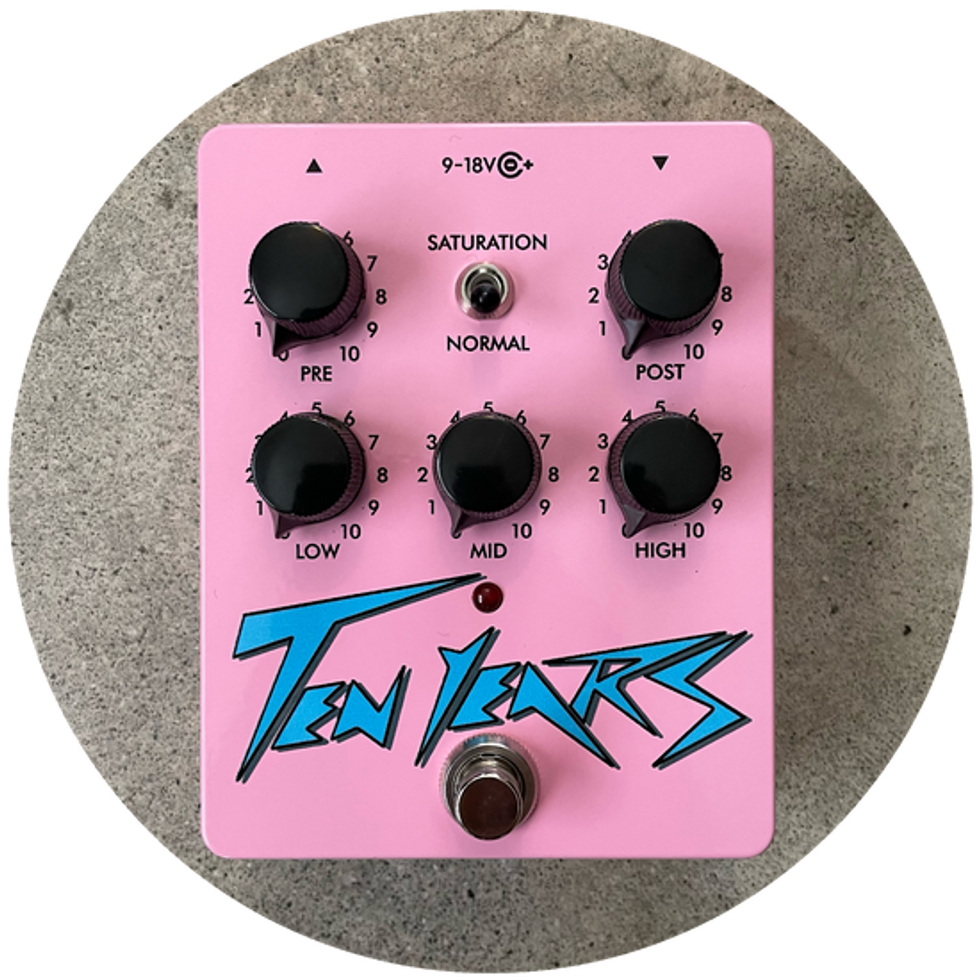
this is an analog preamp inspired by the Decade practice amp, which was the secret to the bassist of Stone Temple Pilot‘s tone. Get that on your board and secure the crunch for whatever you run through it! Works with 9v or 18v (for a more amp-like response).
.rbm-pick-card { --rbm-border: ; --rbm-accent: ; border: 2px solid var(--rbm-border, #e53e3e); border-radius: 10px; padding: 16px; background: #fff; font-family: inherit; position: relative; } .rbm-pick-badge { position: absolute; top: -10px; left: 12px; background: var(--rbm-accent, #e53e3e); color: #fff; font-size: 12px; line-height: 1; padding: 6px 10px; border-radius: 6px; font-weight: 700; } .rbm-pick-wrap { display: grid; grid-template-columns: 110px 1fr; gap: 16px; align-items: start; } .rbm-pick-img { aspect-ratio: 1 / 1; /* forces square crop */ overflow: hidden; border-radius: 6px; background: #f3f4f6; /* subtle placeholder */ } .rbm-pick-img img { width: 100%; height: 100%; object-fit: cover; /* crops without distortion */ display: block; } .rbm-pick-title { margin: 0 0 4px; font-size: 20px; font-weight: 800; color: #111; } .rbm-pick-sub { margin: 0 0 12px; font-size: 14px; font-weight: 700; color: #334155; } .rbm-pick-btns { display: grid; gap: 10px; max-width: 560px; } .rbm-pick-btns a { display: block; text-align: center; background: #000; color: #fff !important; text-decoration: none; padding: 12px 14px; border-radius: 8px; font-weight: 800; letter-spacing: .3px; } .rbm-pick-btns a span.price { text-transform: none; } .rbm-pick-btns a span.label { text-transform: uppercase; } /* Responsive */ @media (max-width: 560px) { .rbm-pick-wrap { grid-template-columns: 80px 1fr; } .rbm-pick-title { font-size: 18px; } }

Fuzz Factory Vexter
ZVex Fuzz Factory

Packed with knobs that let you control everything from tight, radically fuzzy sounds that gate off instantly when you stop playing, to intermodulating oscillations that fight for control of your guitar as your notes decay, to shortwave radio sounds, ripping velcro and octave-like fuzz. Includes an on/off LED and center-negative DC power jack.
.rbm-pick-card { --rbm-border: ; --rbm-accent: ; border: 2px solid var(--rbm-border, #e53e3e); border-radius: 10px; padding: 16px; background: #fff; font-family: inherit; position: relative; } .rbm-pick-badge { position: absolute; top: -10px; left: 12px; background: var(--rbm-accent, #e53e3e); color: #fff; font-size: 12px; line-height: 1; padding: 6px 10px; border-radius: 6px; font-weight: 700; } .rbm-pick-wrap { display: grid; grid-template-columns: 110px 1fr; gap: 16px; align-items: start; } .rbm-pick-img { aspect-ratio: 1 / 1; /* forces square crop */ overflow: hidden; border-radius: 6px; background: #f3f4f6; /* subtle placeholder */ } .rbm-pick-img img { width: 100%; height: 100%; object-fit: cover; /* crops without distortion */ display: block; } .rbm-pick-title { margin: 0 0 4px; font-size: 20px; font-weight: 800; color: #111; } .rbm-pick-sub { margin: 0 0 12px; font-size: 14px; font-weight: 700; color: #334155; } .rbm-pick-btns { display: grid; gap: 10px; max-width: 560px; } .rbm-pick-btns a { display: block; text-align: center; background: #000; color: #fff !important; text-decoration: none; padding: 12px 14px; border-radius: 8px; font-weight: 800; letter-spacing: .3px; } .rbm-pick-btns a span.price { text-transform: none; } .rbm-pick-btns a span.label { text-transform: uppercase; } /* Responsive */ @media (max-width: 560px) { .rbm-pick-wrap { grid-template-columns: 80px 1fr; } .rbm-pick-title { font-size: 18px; } }
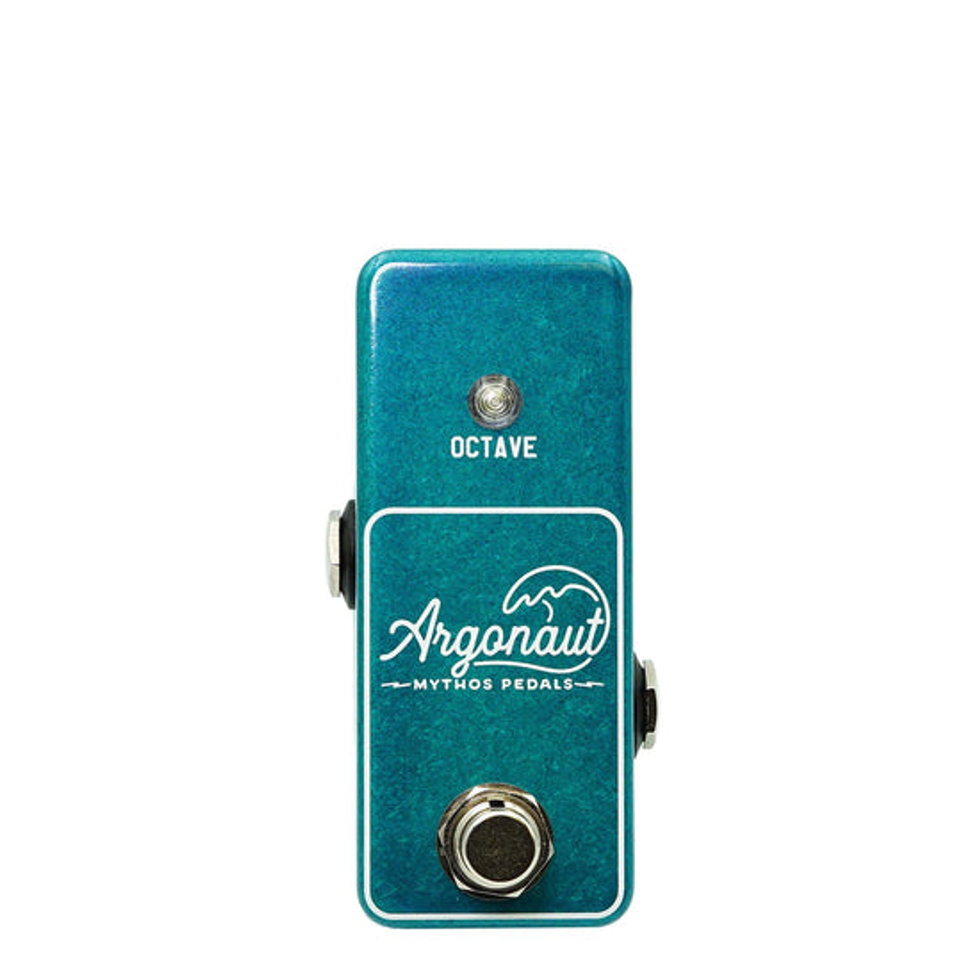
Mythos Argonaut Octave Up
Mythos Argonaut Octave Up
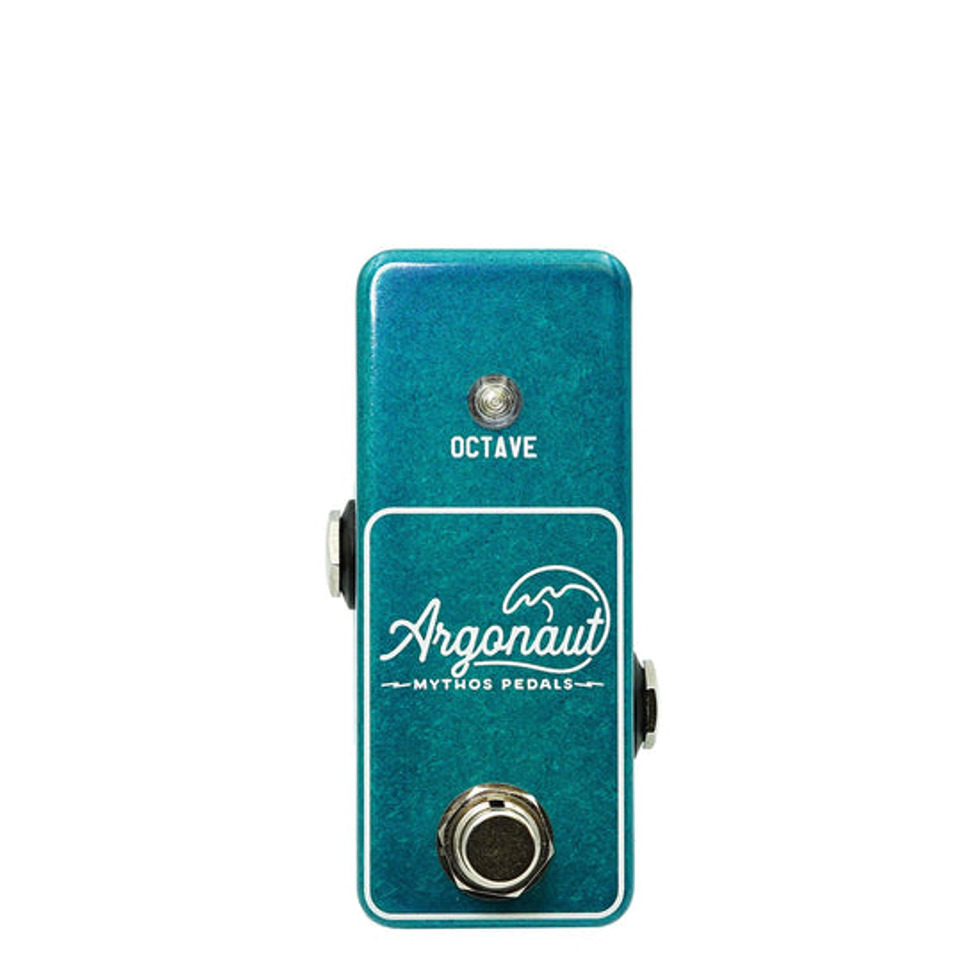
The Argonaut is a no frills pedal offers a clean-ish octave up sound. Using it alone offers you a gnarly, ring mod-esque sound that is pretty funky. The fun begins when you combine it with your favorite overdrive or fuzz pedals. Once combined all the iconic octave tones we know and love begin to jump out of your signal. It’s very touch responsive, weird, and fun all rolled into a small little package. The Argonaut uses a pair of Hand matched NOS Germanium Diodes, this gives the most prevalent octave up effect that is present all over your guitar neck. Unlike traditional octave pedals the octave effect can be heard up and down the guitar neck, so get ready to get weird once you add this bad boy to your setup.
We like the Argonaut after a fuzz pedal but before an overdrive. Like all things though, your mileage may vary and there is no right answer with guitar tones. Experiment and you’ll find what works best with your setup and hands.
.rbm-pick-card { --rbm-border: ; --rbm-accent: ; border: 2px solid var(--rbm-border, #e53e3e); border-radius: 10px; padding: 16px; background: #fff; font-family: inherit; position: relative; } .rbm-pick-badge { position: absolute; top: -10px; left: 12px; background: var(--rbm-accent, #e53e3e); color: #fff; font-size: 12px; line-height: 1; padding: 6px 10px; border-radius: 6px; font-weight: 700; } .rbm-pick-wrap { display: grid; grid-template-columns: 110px 1fr; gap: 16px; align-items: start; } .rbm-pick-img { aspect-ratio: 1 / 1; /* forces square crop */ overflow: hidden; border-radius: 6px; background: #f3f4f6; /* subtle placeholder */ } .rbm-pick-img img { width: 100%; height: 100%; object-fit: cover; /* crops without distortion */ display: block; } .rbm-pick-title { margin: 0 0 4px; font-size: 20px; font-weight: 800; color: #111; } .rbm-pick-sub { margin: 0 0 12px; font-size: 14px; font-weight: 700; color: #334155; } .rbm-pick-btns { display: grid; gap: 10px; max-width: 560px; } .rbm-pick-btns a { display: block; text-align: center; background: #000; color: #fff !important; text-decoration: none; padding: 12px 14px; border-radius: 8px; font-weight: 800; letter-spacing: .3px; } .rbm-pick-btns a span.price { text-transform: none; } .rbm-pick-btns a span.label { text-transform: uppercase; } /* Responsive */ @media (max-width: 560px) { .rbm-pick-wrap { grid-template-columns: 80px 1fr; } .rbm-pick-title { font-size: 18px; } }
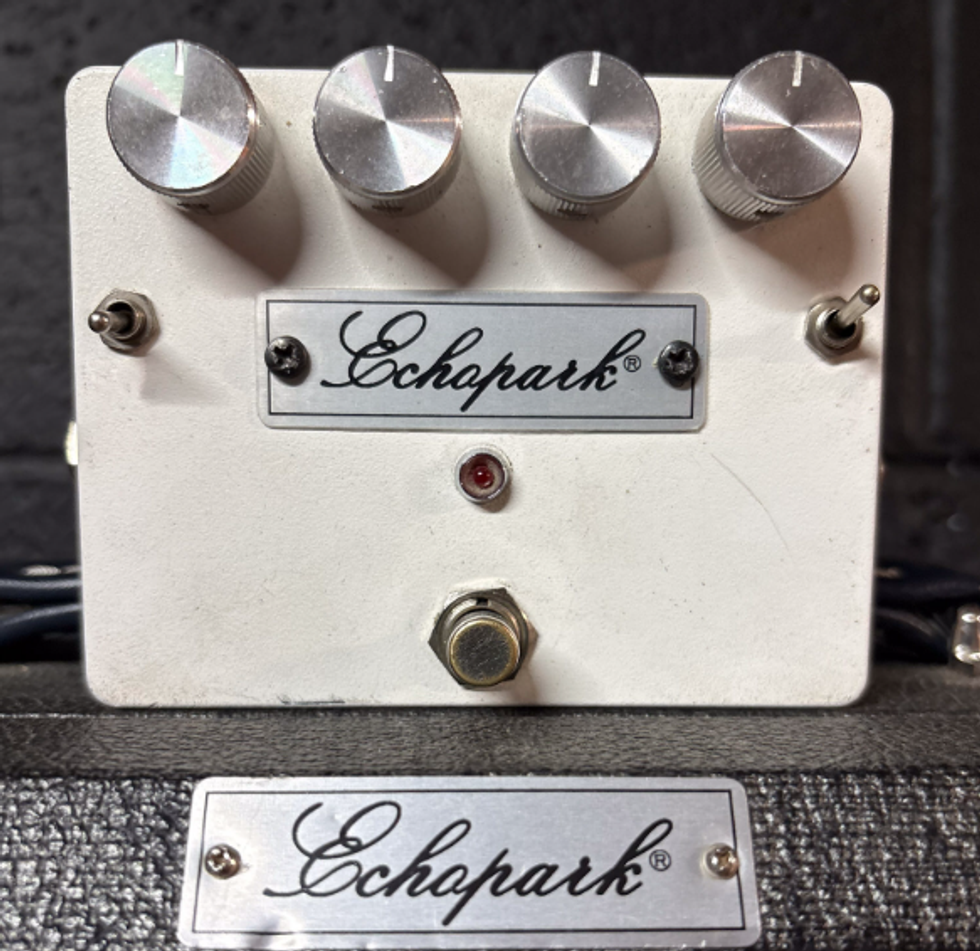
EchoPark Echo Driver
Echopark Echodriver
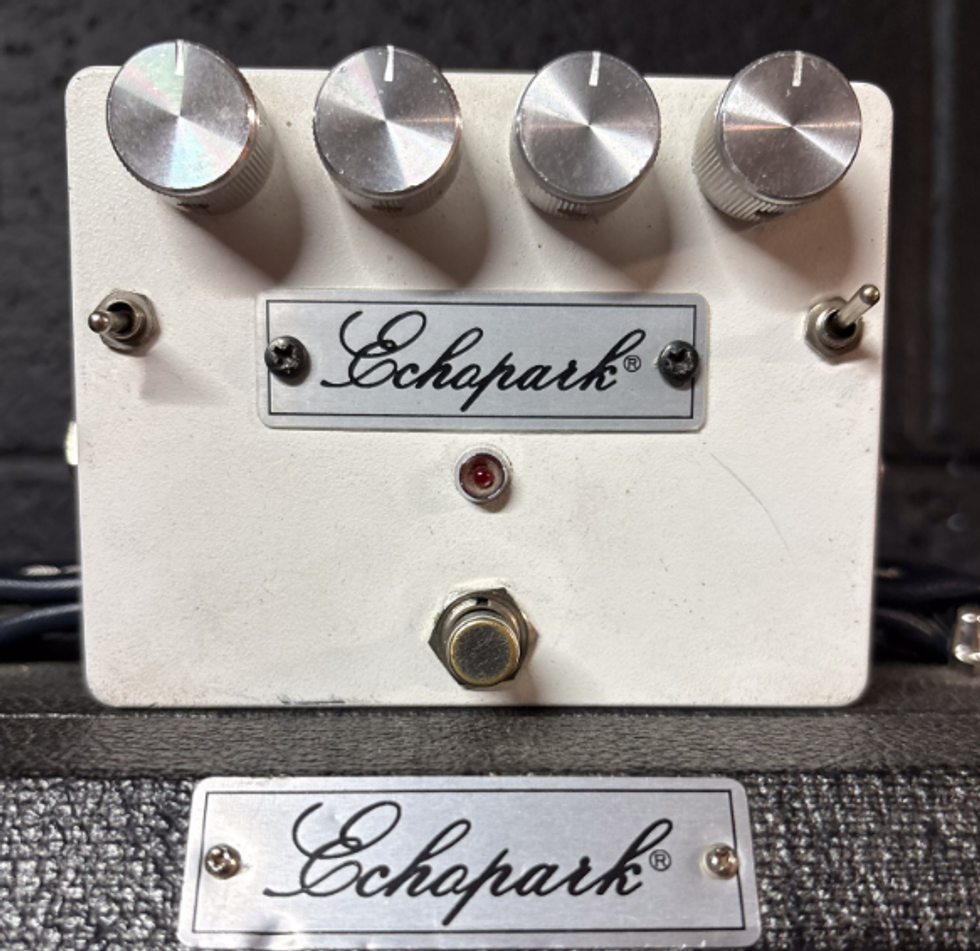
he Echodriver Limited-Edition Reissue has been the core distortion sound of Troy Van Leeuwen (Queens of the Stone Age), delivering a harmonically rich, mid-scooped voice with the clarity and power to cut through any mix over his last few years of touring.
The tone stack uses a notch-style filter, similar to classic fuzz circuits, offering a broad sweep of EQ flexibility. The Tone control scoops mids at center, rolls off low end when turned down, and rounds off highs when pushed up—letting you shape the pedal’s response to your guitar and amp with surgical precision.
Clipping is handled by a dynamic combination of MOSFET and NOS Germanium diodes, producing warm, touch-sensitive gain. A right-side toggle engages Silicon clipping for a more aggressive, compressed response. The left toggle bypasses the tone stack completely, delivering a full-range, unfiltered drive straight to your amp.
Win This Queens of the Stone Age–Inspired Pedalboard!

Win the ultimate Queens of the Stone Age–inspired pedalboard! Built by Premier Guitar and Eastside Music Supply, this custom rig packs fuzz, filter, octave, and echo tones worthy of the desert rock kings themselves. Enter now for your shot at owning this one-of-a-kind board.
Win This Queens of the Stone Age–Inspired Pedalboard!
See the board and full details here:
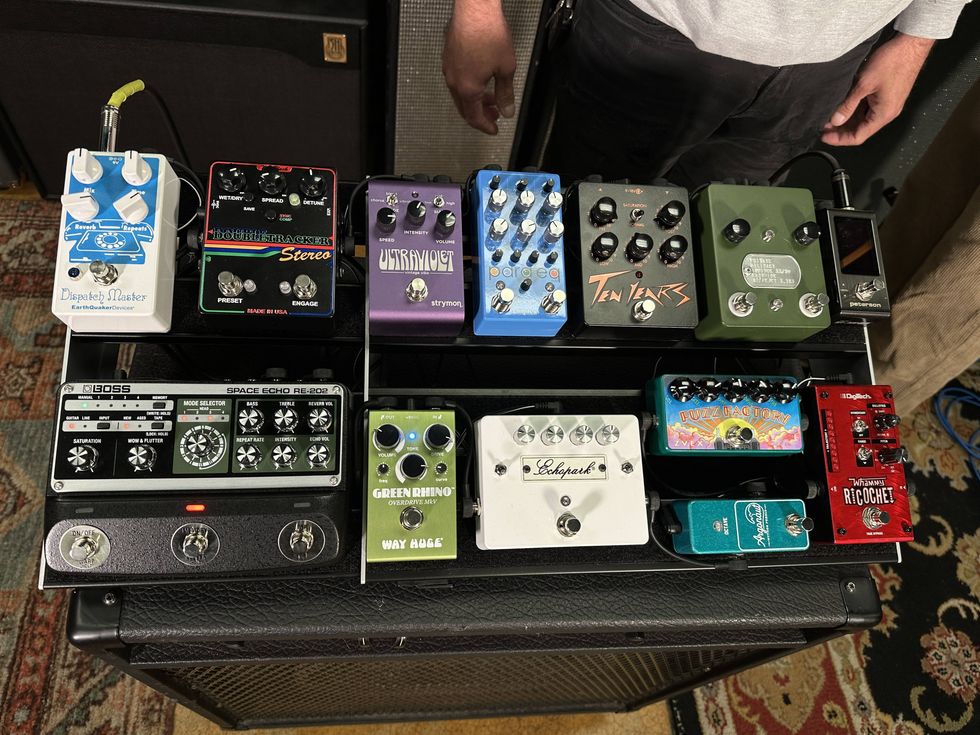
D’Addario Launches the John Lennon Art Series: Picks & Straps

D’Addario announces the John Lennon Art Series Signature Collection, a limited-edition lineup of instrument straps and picks, all honoring the imagination of a legend.
About the Series

The Collection includes two unique strap designs and two pick assortments, each featuring Lennon’s original animal illustrations, as well as drawings inspired by the life and love he shared with Yoko Ono. From playful sketches to bolder, more intimate designs, every item in this Collection honors Lennon’s vision while giving players unique, premium tools they can rely on, all backed by elite D’Addario craftsmanship. The Collection also includes the Imagine Animals small instrument strap, perfect for
kid-sized instruments or adult ukuleles and mandolins, with matching collectible picks.
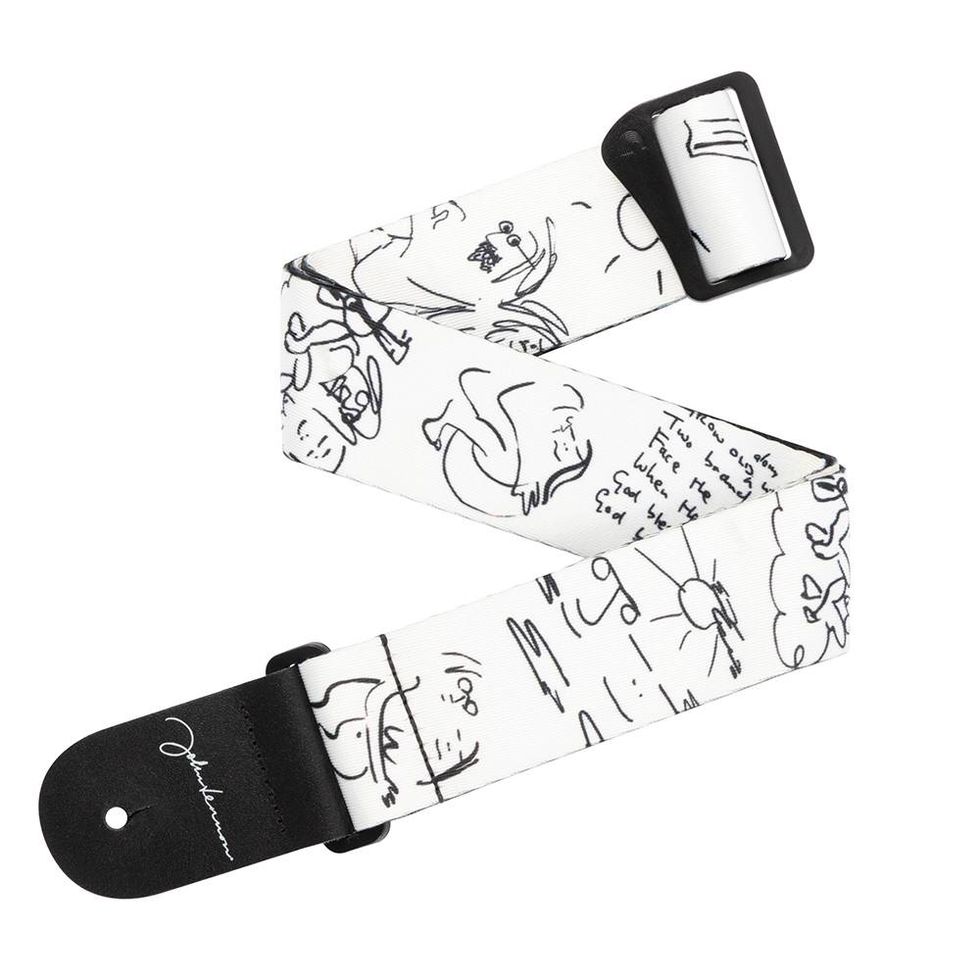
Highlights
- Secure & Reliable Straps. Each strap features durable leather ends for long-lasting security. That means a comfortable and dependable fit for every player.
- Premium Picks for Superior Playability. Crafted from high-quality celluloid, these picks deliver a smooth feel and warm tone that’s perfect for players at any level.
- Exclusive Collectible Items. These limited-edition designs put Lennon’s visual artwork on a new canvas, making them not only perfect tools for players, but one-of-a-kind stocking stuffers for collectors and fans.
D’Addario Celebrates Lennon’s Legacy
“John Lennon’s art was as imaginative and honest as his music,” said Cassie Meloy, Accessories Product Manager. “This Collection celebrates Lennon’s creativity for players of all ages and introduces D'Addario’s first strap designed for kids, perfectly inspired by his playful Animals artwork.”
Availability & Pricing
The John Lennon Art Series is available now through daddario.com and authorized retailers. Pick packs are priced at $7.99, with straps starting at $16.99.
For more information, visit: ddar.io/johnlennon-pr
Behold: Benson The Amp
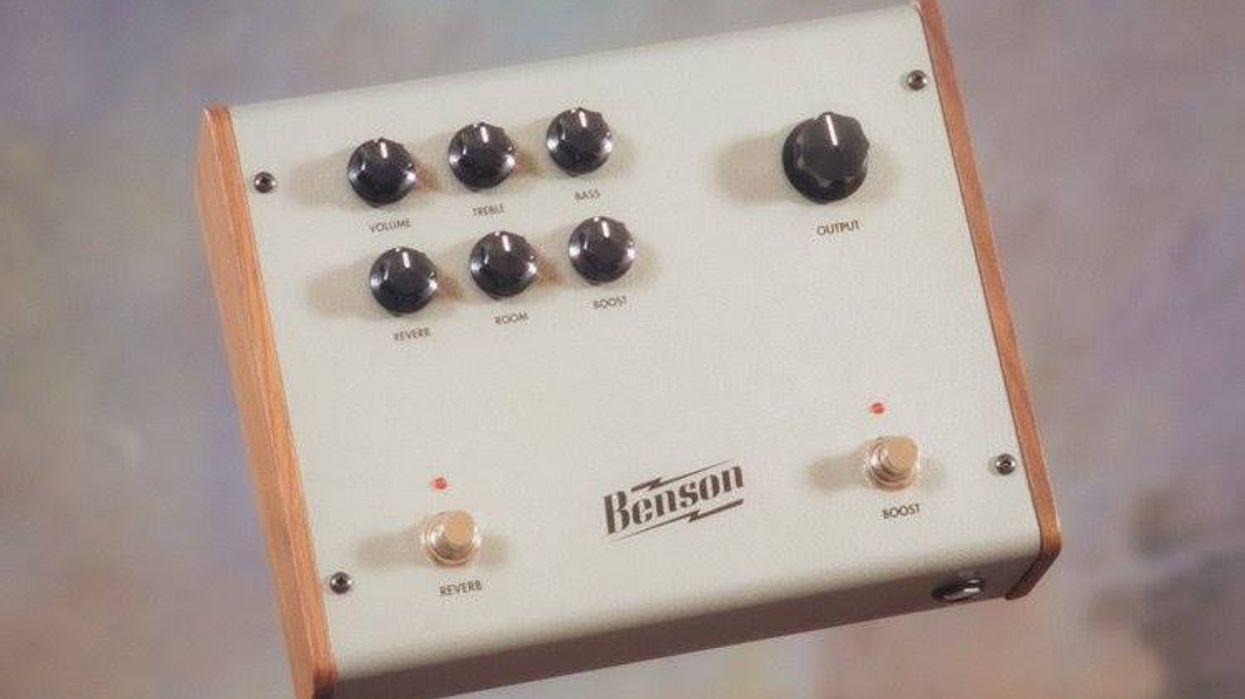
Chris Benson has been designing something cool with Tim Marcus from Milkman Sound. We present to you: Benson The Amp.
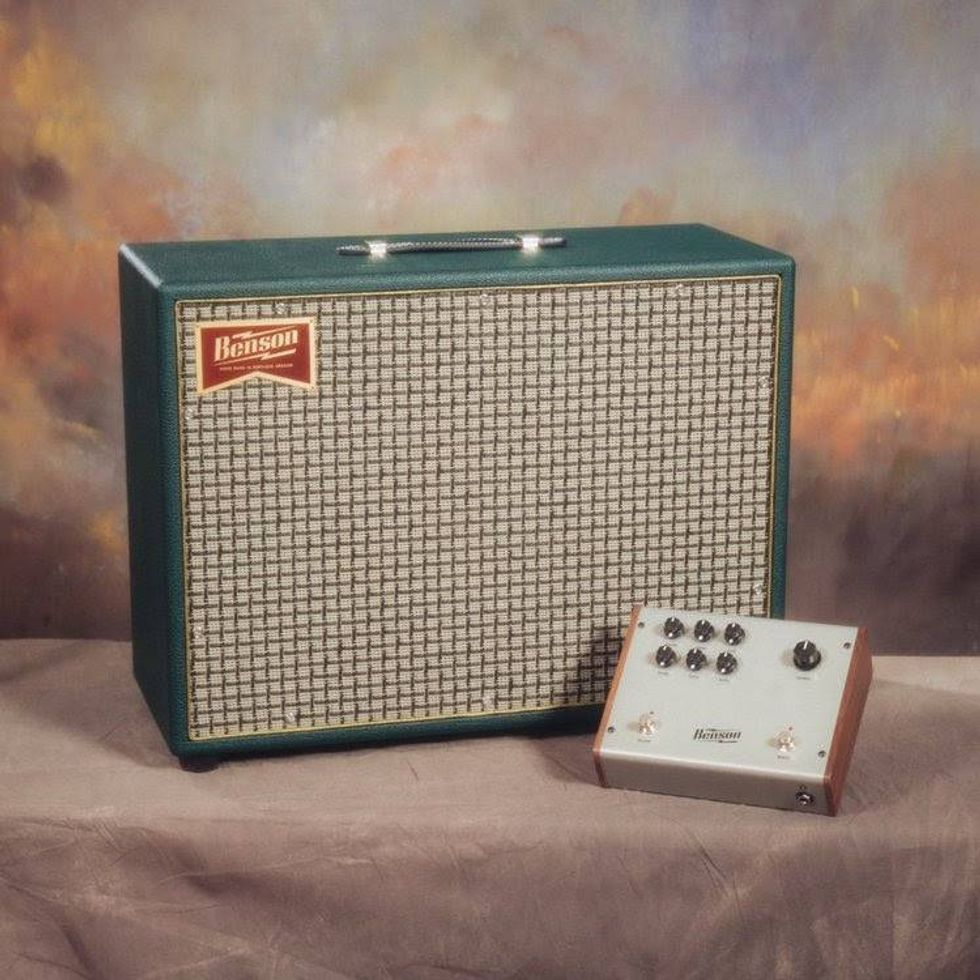
Using the same form factor as Milkman’s The Amp 100, Chris and Tim have combined a high voltage tube Chimera style preamp with a 100 watt class D solid state power amp. It is available from Milkman and Benson dealers today.
Benson The Amp’s feature set makes it versatile enough to handle live shows, silent stages, and direct recording situations with ease:
- High voltage Chimera style tube preamp
- Independent High and Low EQ controls
- Boost with dedicated footswitch (drives the preamp section)
- 100 Watts of class D power
- Built in digital Reverb (designed by Keeley Electronics)
- Direct out with bypass-able analog cab simulation and Room ambience control
- Headphone output
For more details and back story, check out this video from Milkman Sound.
Also, we’d be remiss if we didn’t inform you that our Oversized 1x12 cab with our Custom Ceramic speaker is the perfect companion to The Amp. In fact, it’s what the Benson The Amp’s cab simulation is modeled after (along with an AEA N22 ribbon mic). These two make a potent pairing that works for most any stage volume (we genuinely tried everything to make sure the Custom Ceramic speaker can handle Benson The Amp’s output without failing, and it performed like a champ).
To hear the OS 1x12 A/B’d with the cab sim, check out our latest episode of Bensayin…
For current ordering information on Benson The Amp, visit Milkman Sound here. The Oversized 1x12 cab is available directly from our online store (current build time is 8-10 weeks).
Martin Guitar & Jason Isbell Announce New Signature Guitars & Martin Era Strings
C. F. Martin & Co.® is proud to announce a new collaboration with multi-GRAMMY Award®-winning singer-songwriter Jason Isbell: two signature acoustic guitars and the launch of his first-ever signature set of strings, part of the all-new Martin Era™ line. The guitars, modeled after the 1940 0-17 that accompanied Jason through every track of Foxes in the Snow, bring his unmistakable sound within reach of players everywhere.

The Martin 0-17 Jason Isbell is a limited-edition model crafted to replicate the pre-war 0-17 at the heart of his latest album. Limited to just 50 instruments, it’s built entirely from solid sinker mahogany paired with Adirondack spruce Golden Era scalloped X-bracing for a warm, expressive voice. The sinker mahogany neck, inspired by Jason’s pre-war 0-17, combines with a Brazilian rosewood fingerboard and bridge for classic feel and playability. 17-style appointments and a vintage gloss finish complete its timeless look.
“This one replicates the 1940 0-17 that I used on Foxes in the Snow,” said Jason. “The Brazilian [rosewood] for the bridge and the fingerboard is a really special thing. The fact that Martin was able and willing to do that for these guitars makes me really, really happy… and the neck on this one is pretty identical in shape to the original guitar. It’s a very simple guitar to look at and to play, but certainly not simple to put together.”'
The Martin 0-10E Retro Jason Isbell brings that spirit to the Road Series in a stage-ready form. Featuring a satin-finished all-mahogany 0 14-fret body, scalloped spruce X-bracing, and Martin E1 electronics with a built-in tuner, it delivers warm, focused tone and plug-and-play performance. With East Indian rosewood accents, 17-style inlays, and nickel open-gear tuners, the guitar balances vintage-inspired looks with modern versatility.
“This guitar meets the artist’s criteria that the instrument can’t be the challenge,” Jason said. “They’re well made, they’re easy to play, they sound good, and they don’t scream, ‘Look at me.’ At this price point, a whole lot of people are gonna have access to it—and that’s great because it encourages beginner guitar players and singer-songwriters to have something that is quality. I could take this guitar and just make a living with it.”
In addition to the new guitars, Martin is launching an all-new line of strings: Martin Era™ Strings. Designed to set the standard for acoustic tone and playability, they combine the best of Martin’s string-making innovations into one premium offering. Era strings feature a patented Lifespan® treatment to protect against corrosion, Flexible Core construction to enhance comfort and fretability, and silk-wrapped ball ends to help protect your prized instrument. Together, these features establish a new benchmark for what phosphor bronze acoustic guitar strings can deliver.
Within the Era line is Jason’s first-ever signature set: Martin Era™ Jason Isbell Signature Strings. Developed with a traditional SP® core to match his distinctive sound, this Artist Light set is custom-voiced for strength, balance, and consistency. Finished with distinctive red silk-wrapped ball ends, they reflect his exact touring and studio-tested preferences, giving players direct access to the same feel and performance that inspire his music.
“I’ve used Martin phosphor bronze strings for a long time—12-54 on almost all of my acoustics,” said Jason. “I know how they’re going to react, how many shows I can get out of them, and they don’t take long to break in. You stretch them right when you put them on, they won’t go out of tune. This is a really big honor for me.”
Durability and reliability were essential to the design. “I don’t have to worry about being fragile, being gentle with the strings,” he added. “They sound good for a long time, I don’t have to change every show, which my tech loves, and I love also.”
To learn more about these signature guitars and strings, visit martinguitar.com/jason-isbell.