
Music is the universal language
“Glory to God in the highest heaven, and on earth peace to those on whom his favor rests.” - Luke 2:14
Norse Guitar Feeds
Fender Unveils John Osborne Signature Telecaster Pickup Set
Fender has introduced the John Osborne Signature Telecaster pickup set. Designed to replicate the tone behind Osborne’s signature sound, these custom Telecaster® pickups are specially designed to deliver enhanced clarity and punch, perfectly balanced to cut through the mix with sparkling highs, focused mids, and tight bass response. The open-coil neck pickup adds an extra touch of high-end sparkle, while Alnico 5 beveled magnets and Formvar magnet wire bring added focus, dynamics and brightness.
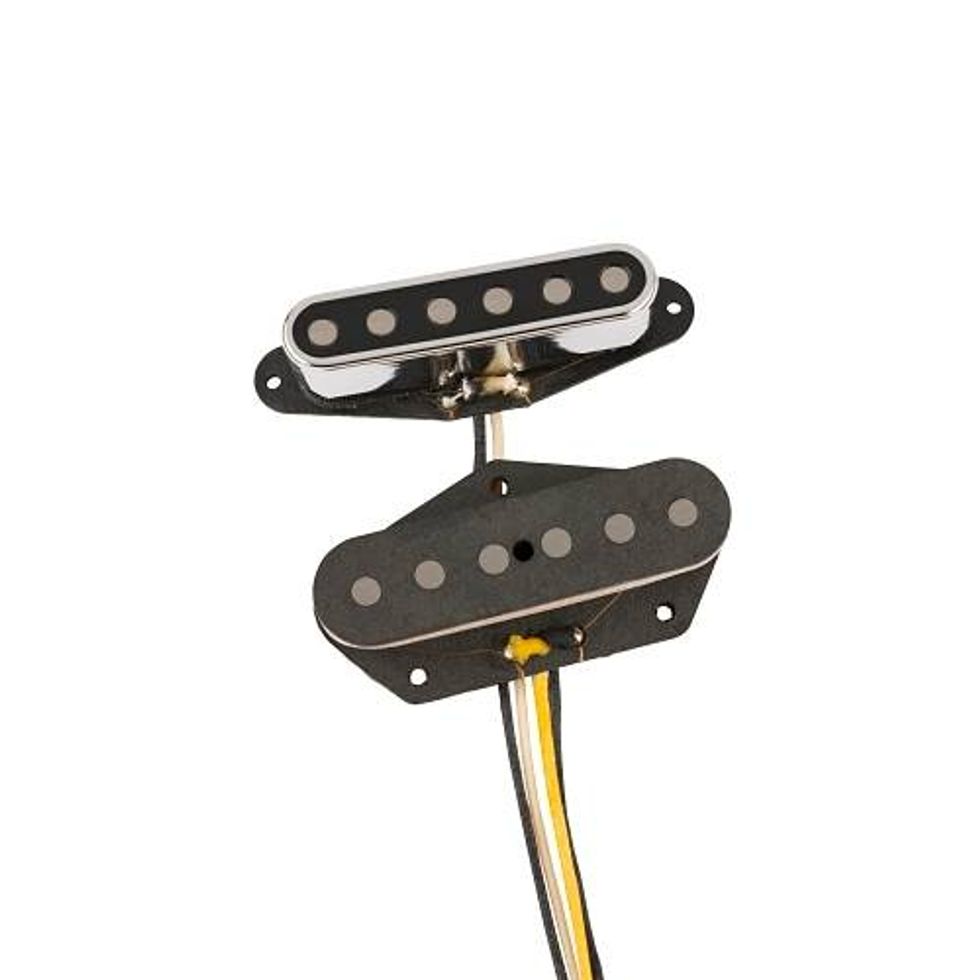
Built with vintage-inspired details including flush-mount polepieces, period-correct cloth wire and fiber bobbin construction, the pickups blend classic Tele character with Osborne’s modern, hard-driving voice.
Key features include:
- Alnico 5 beveled magnets add more focus and enhanced dynamics
- Formvar coated magnet wire for brighter tone with enhanced high-frequency response
- Flush-mount polepieces create vintage-style string-to-string blending
- Wax potted to resist feedback and protect internal wiring
- Period-correct cloth wire and fiber bobbin construction
- Installation hardware included
- Bobbin Material: Fiber
- DC Resistance: Neck: 6.26k, Bridge: 8.2k
- Inductance: Neck: 2.58H, Bridge: 4.6H
- Lead Wire: Cloth-covered
The John Osborne Signature Telecaster pickup set carries a street price of $149.99 . For more information visit Fender.com.
John Osborne Signature Telecaster Pickup Set
September 1, 2026 – Fender has introduced the John Osborne Signature Telecaster pickup set. Designed to replicate the tone behind Osborne’s signature sound, these custom Telecaster® pickups are specially designed to deliver enhanced clarity and punch, perfectly balanced to cut through the mix with sparkling highs, focused mids, and tight bass response. The open-coil neck pickup adds an extra touch of high-end sparkle, while Alnico 5 beveled magnets and Formvar magnet wire bring added focus, dynamics and brightness.
Guitars Currently Available has been Updated!
I updated my Guitars Currently Available page!
I added "Violante", guitar #50 to the list which will be available later this year! I will post updates on this guitar as I finish it!

The Lorenzo Frignani #221 guitar is now listed on Reverb!

Guitar #50, "Violante", Has a New Top!


The back and sides are gorgeous, they are Santos rosewood!


Walrus Audio Highpoint Review
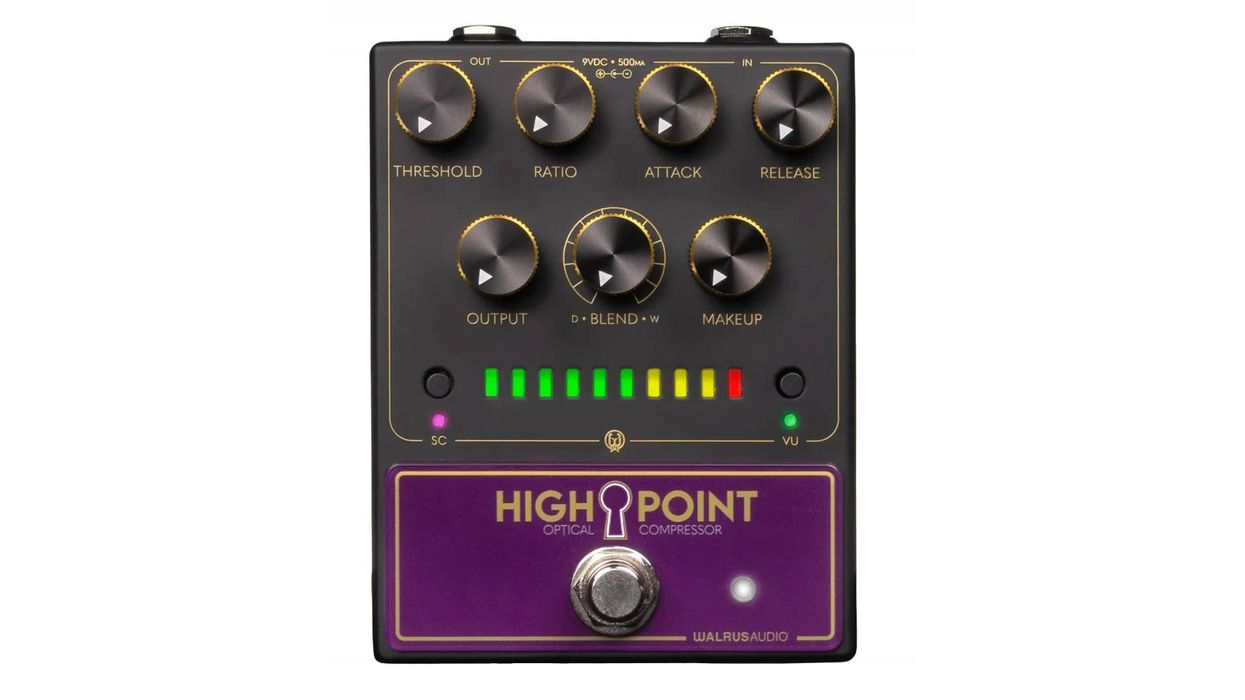
For some players, compression, and compression pedals, are exciting at a level just above a tuner or volume pedal—essential in some cases, but not the kind of thing that gets the blood pumping. For others, compression is an essential facet of their sound, perhaps even the core of it. For these players, the differences between compressors are meaningful and consequential, and separate a true creative device from a joyless, utilitarian tool. Walrus Audio’s Highpoint is more likely to appeal to players who see the painterly possibilities in a compressor. As an optical comp, it offers the smooth, fuzzy, non-linear glow that makes a good opto sound less sterile and bossy than a voltage controlled or FET compressor. It also has a control set that can get surgical. The $349 price reflects the pedal’s power and flexibility, and signals that this isn’t one for compression casuals. But while committed comp nuts might find the most to love here, less experienced users might be very surprised and impressed by what an asset the Highpoint can be.
Light and Sound Sensations
Advanced students of the compression arts can skip ahead here, but for those among you who are new to optical compression, a brief primer: In an optical compressor, changes in gain are communicated through the circuit via a light source and a photoresistor that reads that source’s energy. Photoresistors (which effectively define a compressor’s release characteristics) possess an inherent signal-processing lag—not enough to constitute a pronounced delay, but enough to color the edges of output with a warmish aura and, at the right settings, lend extra dimensionality that other compressors can rob from the signal. (Another famous effect, the Uni-Vibe, also uses an opto-circuit to achieve its warm, round, and chewy qualities.)
As you scan the range of the Highpoint’s seven controls, you have to work to bury the basic warmth in its compression. The Highpoint is a toasty glow additive, even at compression levels that you’d categorize as super squished. I love the effect of super-compressed guitars in certain arrangements and mixing situations, and use compression as a transformative tool as often as I use it as subtle tone sweetener. So, my standards for what constitutes tone suck may differ from those of a hardcore tone naturalist. Still, I found that the Highpoint obliterates a guitar’s voice at only the wettest, lowest-threshold positions. At just about every other combination of controls you tend to hear your guitar’s tone, and the characteristics of upstream effects, loud and clear.
Quality Control
The Highpoint’s knack for keeping an instrument’s essence intact makes using its very interactive, rangeful, sensitive controls extra satisfying. The wet/dry control opens up the possibility of using dramatically compressed tones as subtle shading. But all-wet settings can still generate a wide range of coloration, and shaping those colors in specific ways feels fast and intuitive—a sense enhanced by the smooth, gentle taper of the knobs themselves. This makes the Highpoint very forgiving. I never got the sense that I would get lost—or be unable to get back to where I started—if I wanted to make radical adjustments in the heat of a performance. But this intuitiveness pays double the dividends when crafting song arrangements and mixes. Easing a specific tone and dynamic profile back from an extreme place to a mellower one in small increments always felt effortless, and that means you can close the gap between a sound you imagine and the one you hear with confidence.
The Verdict
Compression is often regarded as an effect that diminishes the sense of touch. But the Walrus Highpoint seems designed to prioritize feel—not just in the way it can seamlessly span subtle and super-compressed tones, but in how easy it is to explore the realms between those extremes. It’s versatile and multi-dimensional, and it’s also fun—an adjective that even devout compressor users would be reluctant to use to describe their favorite comp.
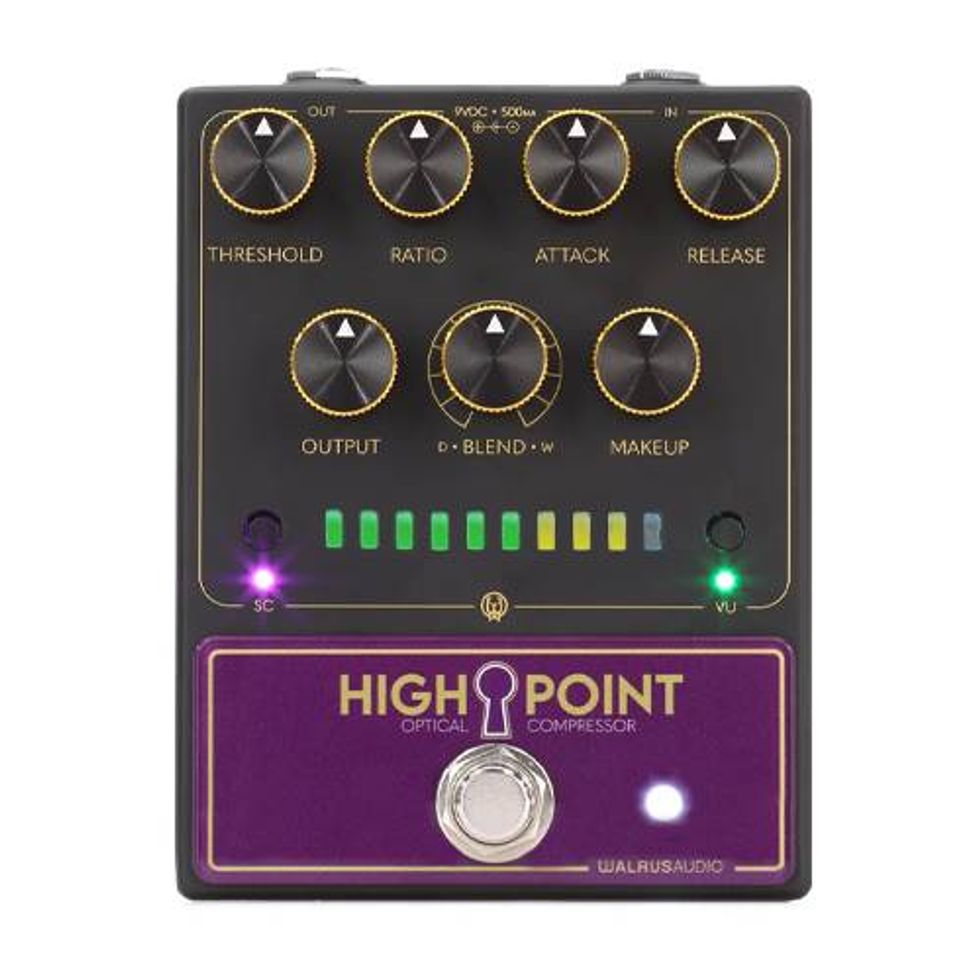
Highpoint Optical Compressor
Optical Compressor Guitar Pedal with Threshold, Ratio, Attack, Release, Output, Blend, Makeup, Sidechain, and VU Controls
NOW LIVE: 15 New Deals From Sweetwater's Biggest Guitar Sale Of The Year
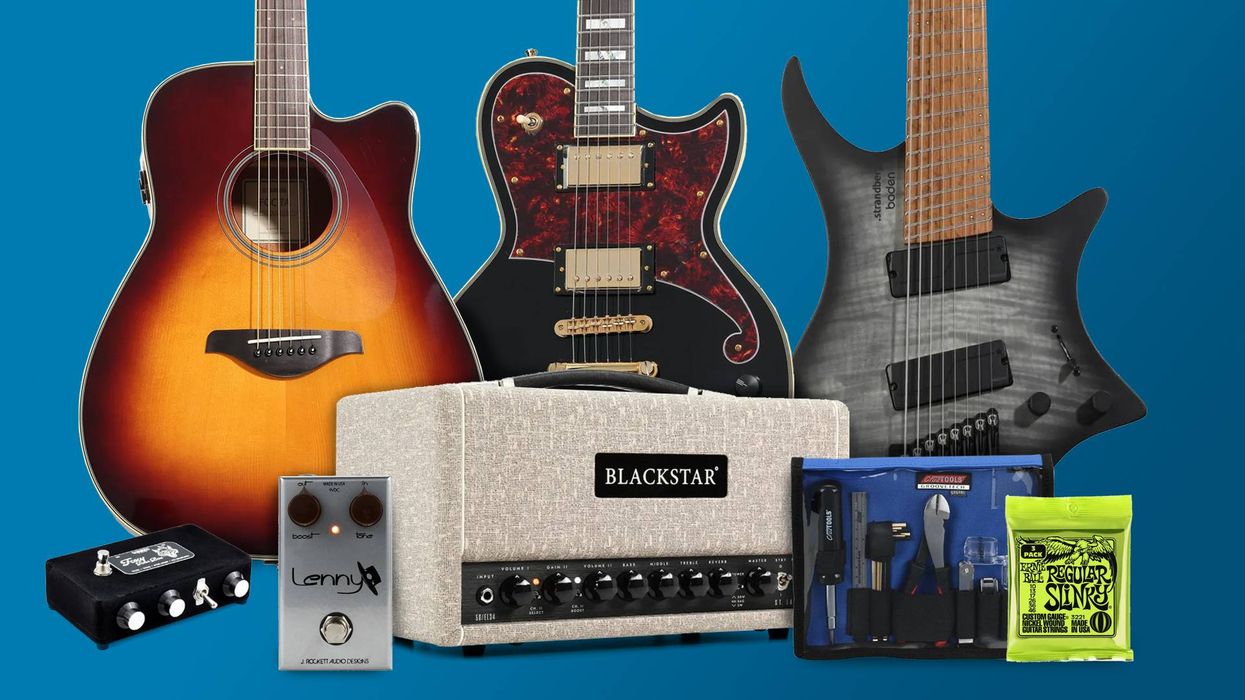
From an 8-string Strandberg to a synth-equipped Boss EURUS, Sweetwater's Guitar Month sale covers axes, amps, and pedals at prices that won't stick around.
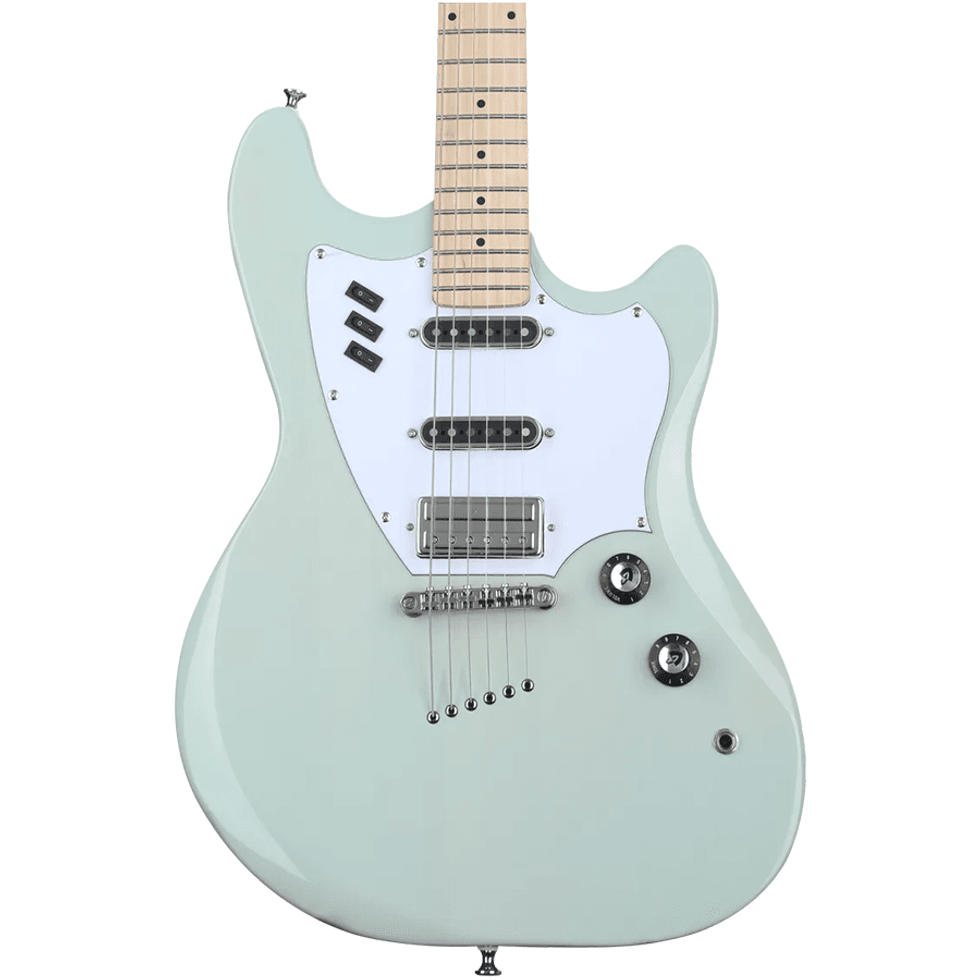
Guild Surfliner Solidbody Electric Guitar - White Sage
A wallet-friendly offset for the masses! Guild’s Surfliner takes the sleek '60s style of a traditional offset guitar and hot rods it with performance-minded features for guitarists who require an instrument with rock-solid stability. The Surfliner’s lightweight poplar body and offset-waist body shape provide an unmatched comfort — both sitting and standing. The smooth maple-on-maple neck’s Narrow Jumbo frets and 10-inch radius ensure smooth playability for players of all stripes. What about versatility? The Surfliner has it in spades, boasting an HSS configuration comprised of two Aersonic single coils and an LB-1 mini humbucker in the bridge, taking you everywhere from surfy drip to all-out crunch. Finally, the string-through body and the Tune-o-matic bridge are ideal for players who love the offset look, but prefer a more streamlined hardware setup.
Sweetwater's Guitar Month sale runs deep across the catalog, and what's below is just a sampling of the deals worth a look. We've got guitars spanning entry-level to high-end, amps built for both bedroom and stage volume, a handful of pedals, and a few accessories thrown in for good measure. Savings range from a few dollars off to over a grand, with some finishes and models exclusive to Sweetwater. Browse what caught our eye below, then head to Sweetwater to see the rest of what's on sale this month.
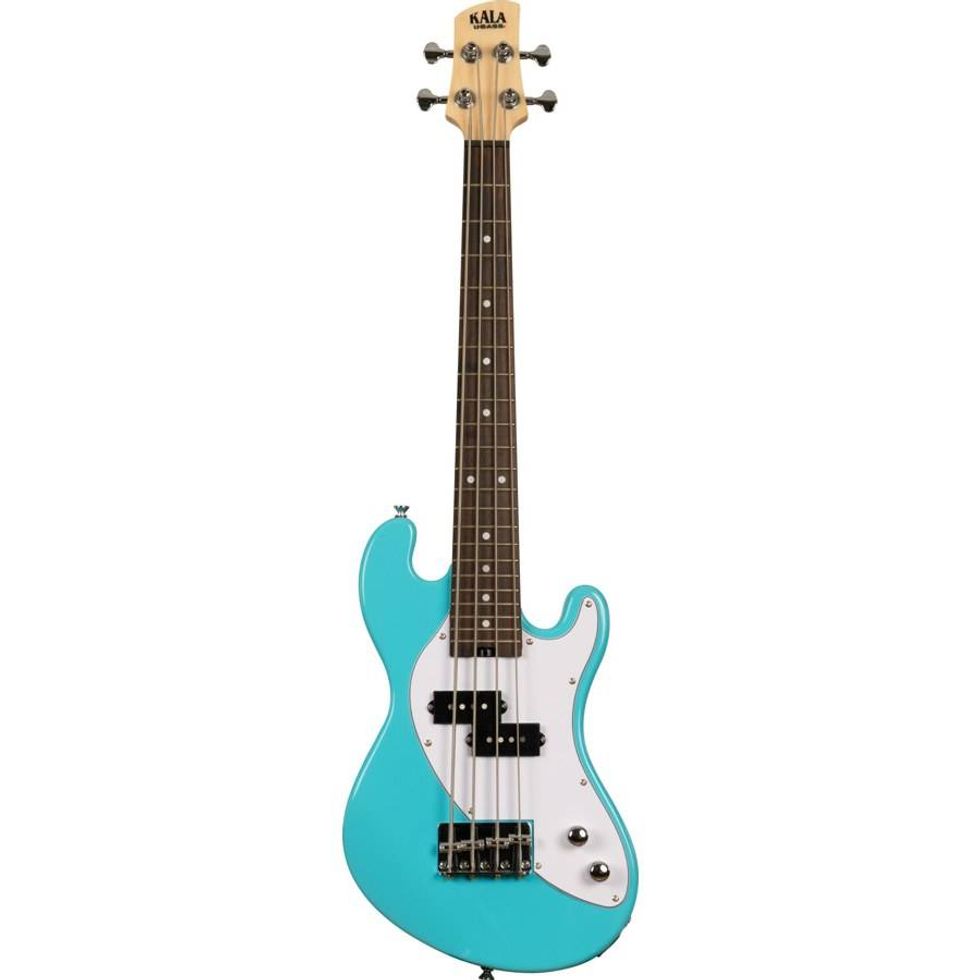
Kala Solidbody U-Bass Electric Bass Guitar - Surf Blue
This compact 4-string electric U-Bass features a 23.5-inch short scale, Okoume body, and a passive split-coil pickup for a warm, punchy, articulate bass tone in a lightweight, easy-to-play package.
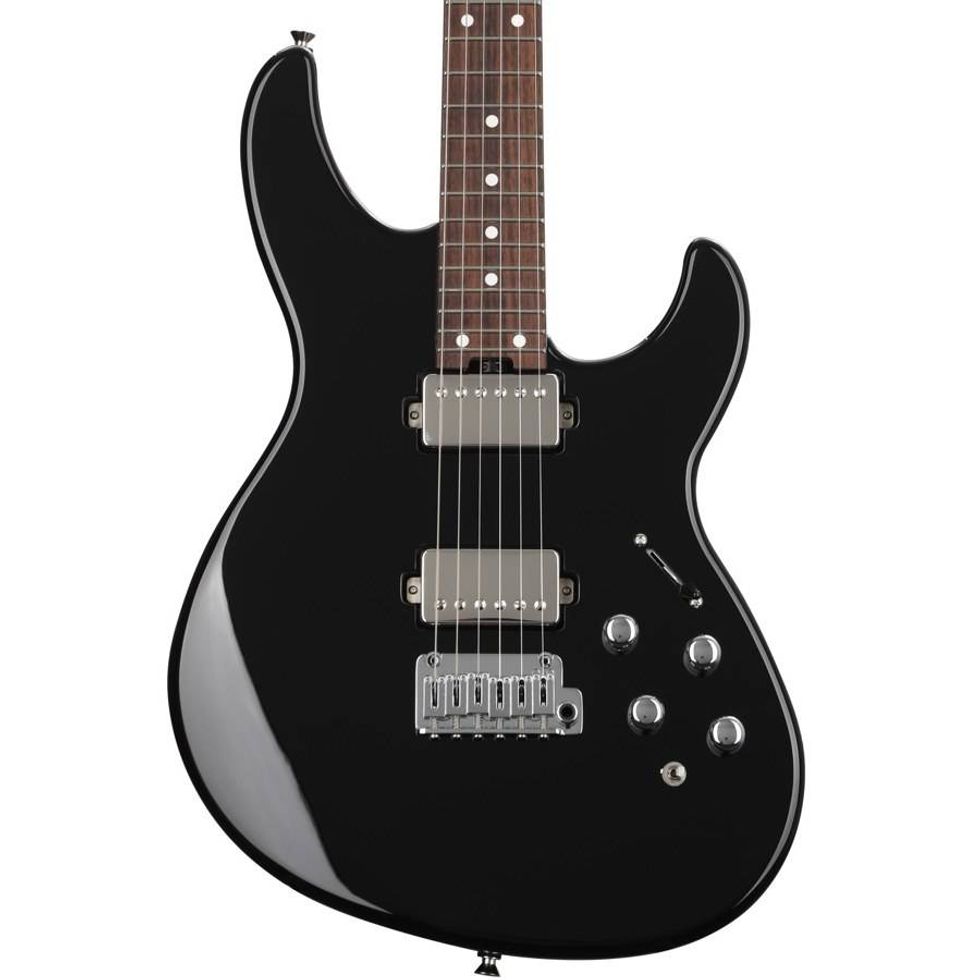
Boss EURUS GS-1 Electronic Guitar with Onboard Guitar Synthesizer - Black
The EURUS GS-1 packs a pair of custom EURUS-CTM humbuckers plus an onboard polyphonic synthesizer with six recallable presets and separate guitar/synth outputs, so you can dial in synth tones with the flip of a switch — no extra pedals or special pickups required.
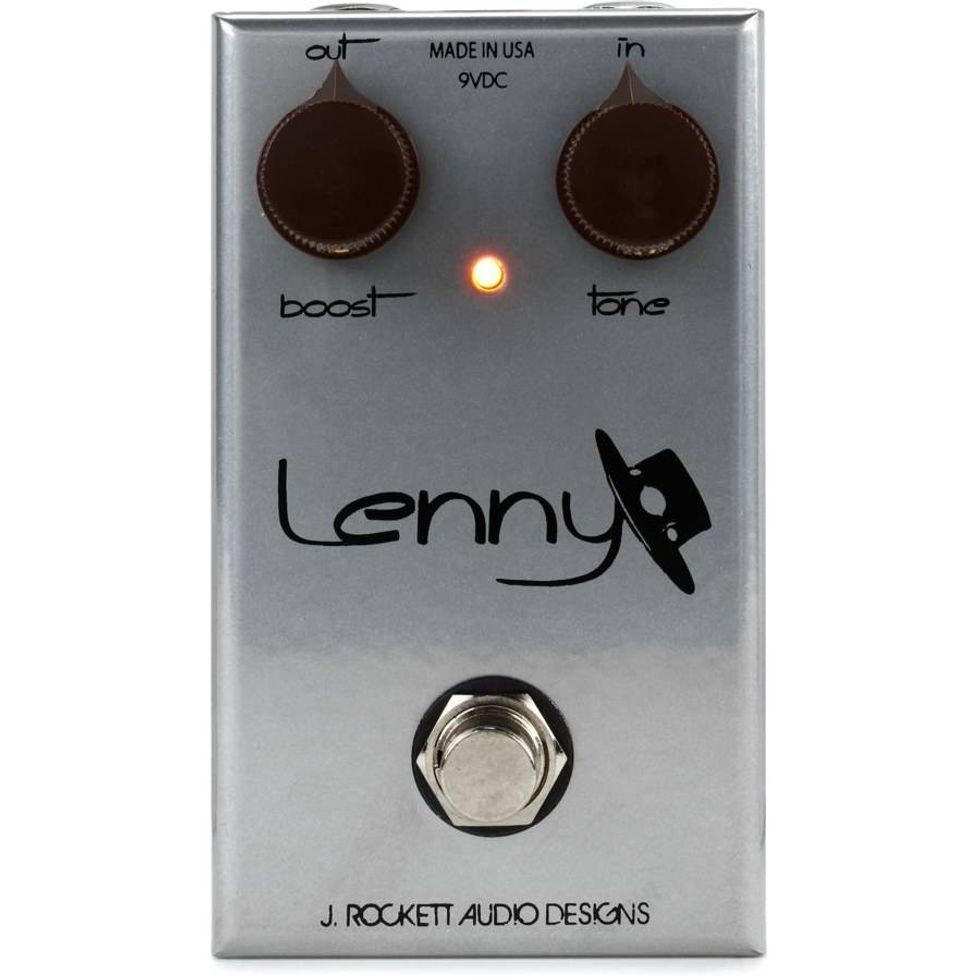
J. Rockett Audio Designs Lenny Boost/Overdrive Pedal
Built to capture the sound of a dimed boutique amp, Lenny's simple 2-knob layout adds musical mid-forward boost and sustain to a clean tone, or pushes an already-overdriven signal into a tight, singing “superdrive.”
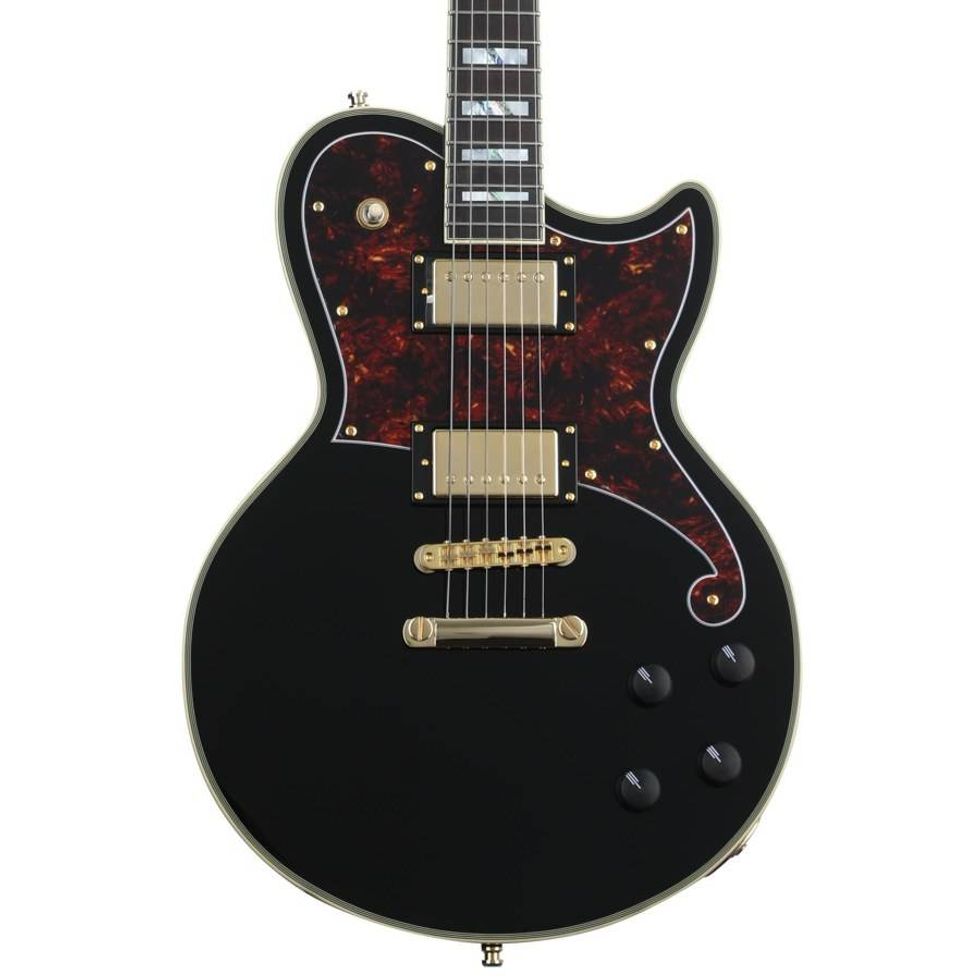
D'Angelico Deluxe Atlantic Electric Guitar - Solid Black
This single-cut solidbody pairs an alder body and maple/walnut neck with Seymour Duncan Seth Lover A4 humbuckers and push-pull coil-splitting, delivering classic D'Angelico style with modern tonal versatility and all-day playing comfort.
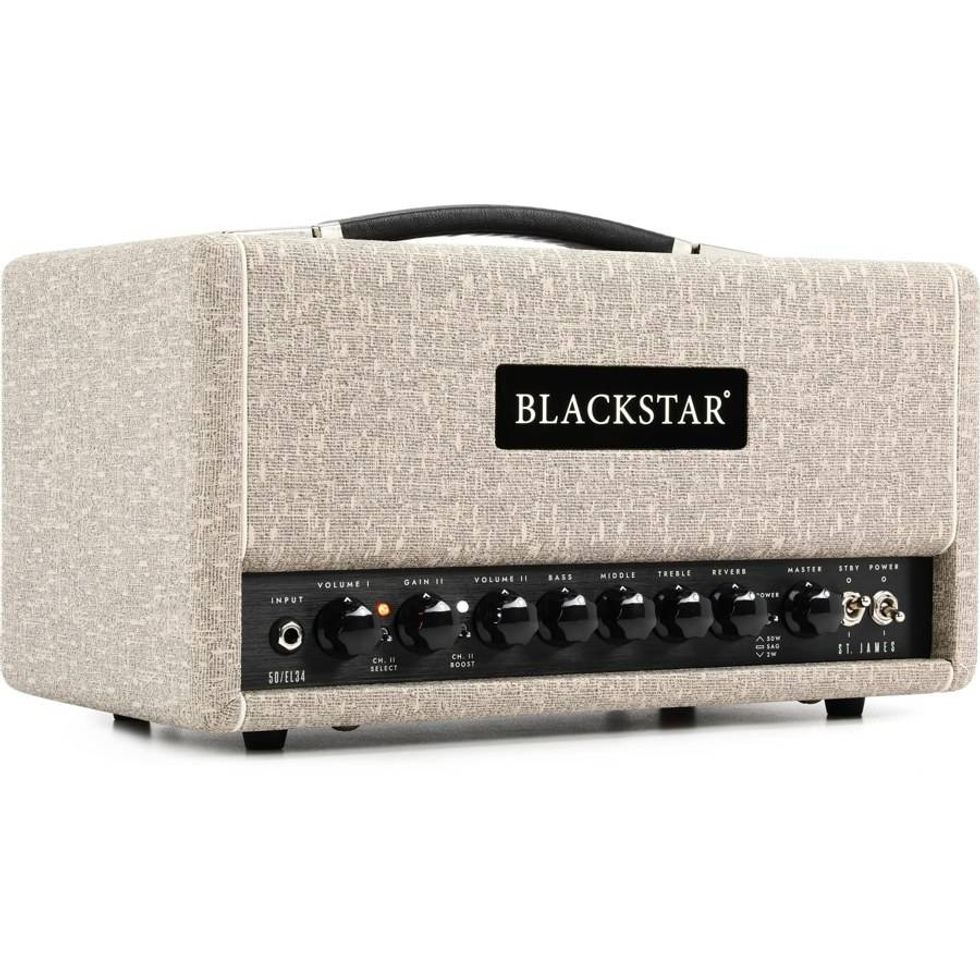
Blackstar St. James 50-watt Tube Head with EL34 Tubes - Fawn
Blackstar's lightest 50-watt head yet pairs EL34 power tubes with onboard Cab Rig cabinet simulation and a 3-step power reduction switch, giving two full channels of glassy cleans through vintage crunch at stage or bedroom volume.
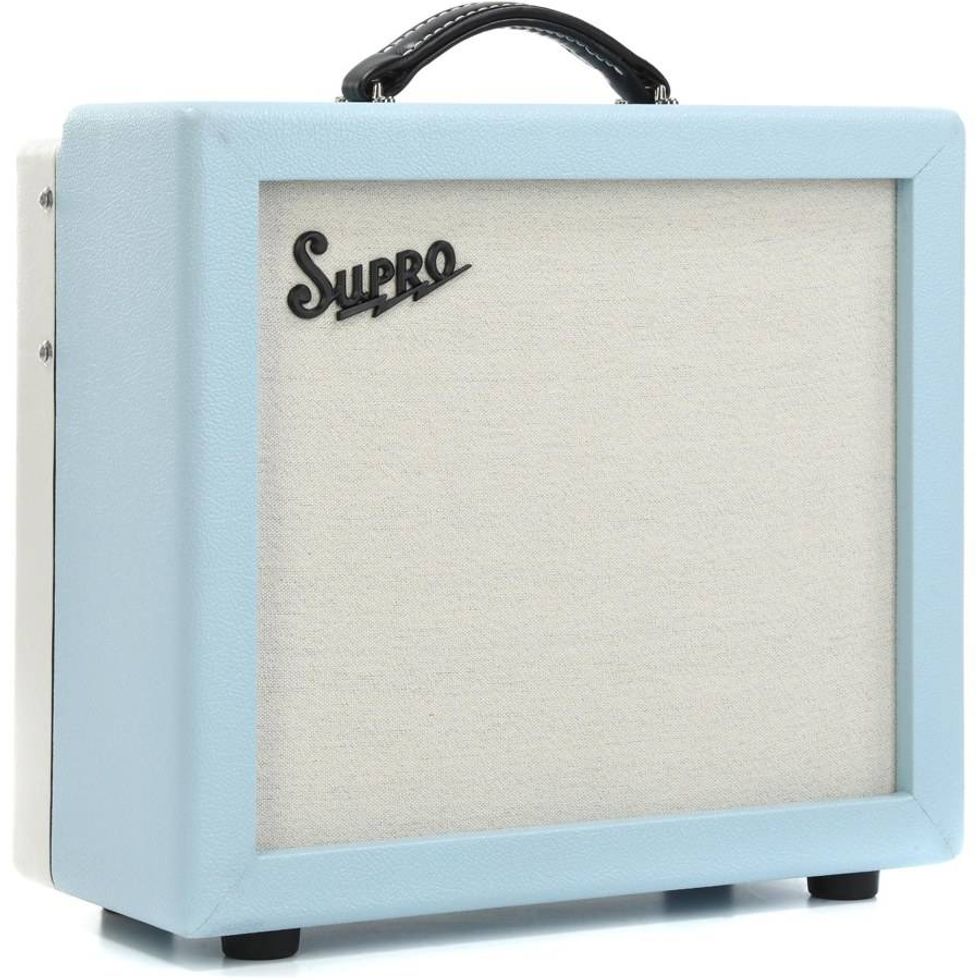
Supro Amulet 1x12 15-watt Tube Combo Amp - Baby Blue, Sweetwater Exclusive
Exclusive to Sweetwater in a Baby Blue finish, the Amulet delivers 15 watts of vintage-style Supro overdrive through a Celestion G12M Creamback, with a 3-step power attenuator plus splashy spring reverb and tremolo baked in.
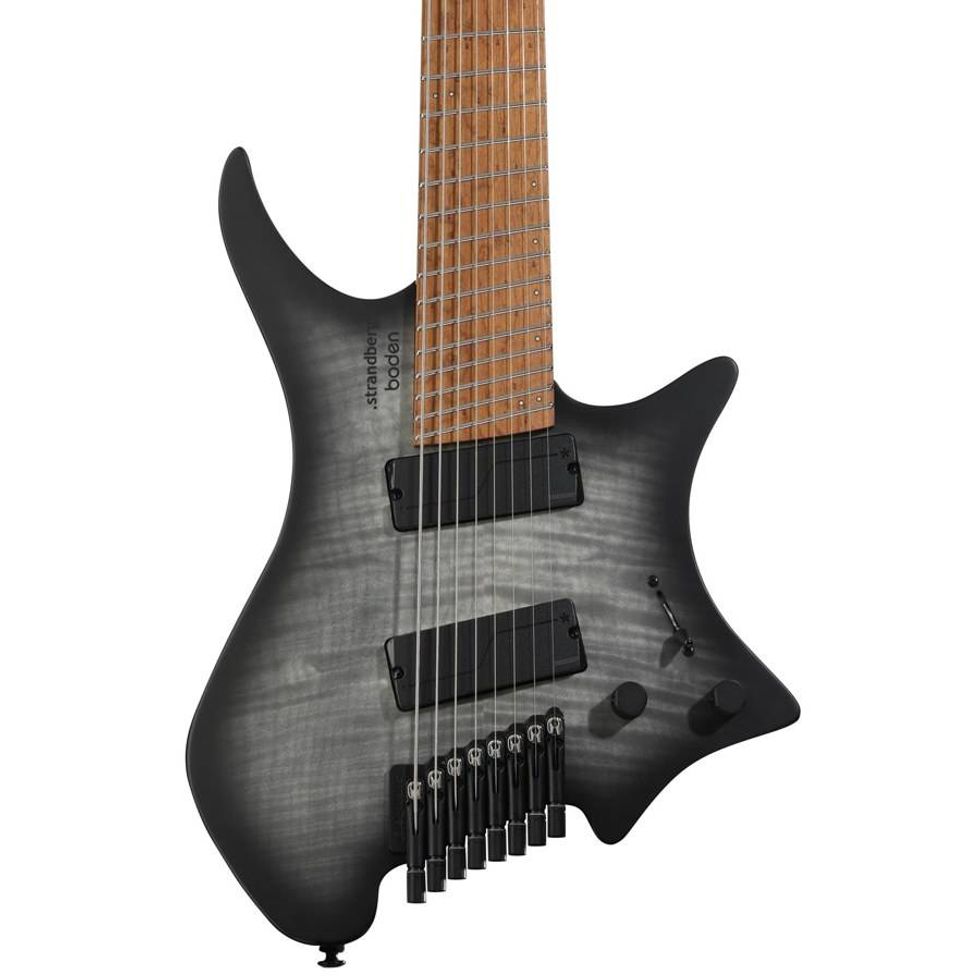
Strandberg Boden Original N2.8 8-string Electric Guitar - Black Denim Burst Satin
A multi-scale 8-string built from swamp ash, walnut, and roasted/flame maple, featuring Strandberg's EndurNeck profile, EGS Arc hardware, and POWR:D by Fishman active pickups with selectable voicing from passive-style headroom to modern-metal aggression.
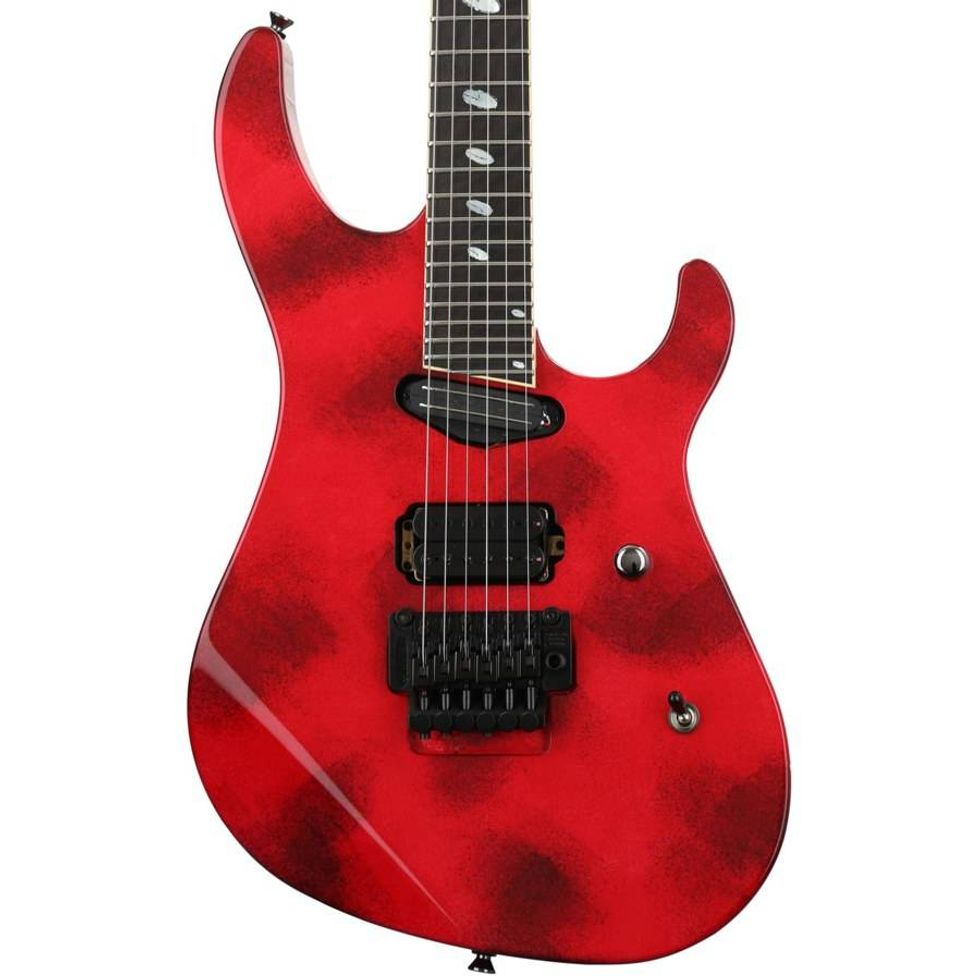
Caparison Guitars Horus-M3 - Carnelian with Ebony Fingerboard
A mahogany/maple solidbody with a 5-piece maple/walnut neck and ebony fretboard, the Horus-M3's precise 15-degree headstock angle eliminates string trees while its fast, smooth 27-fret neck stands up to the most demanding technical playing.
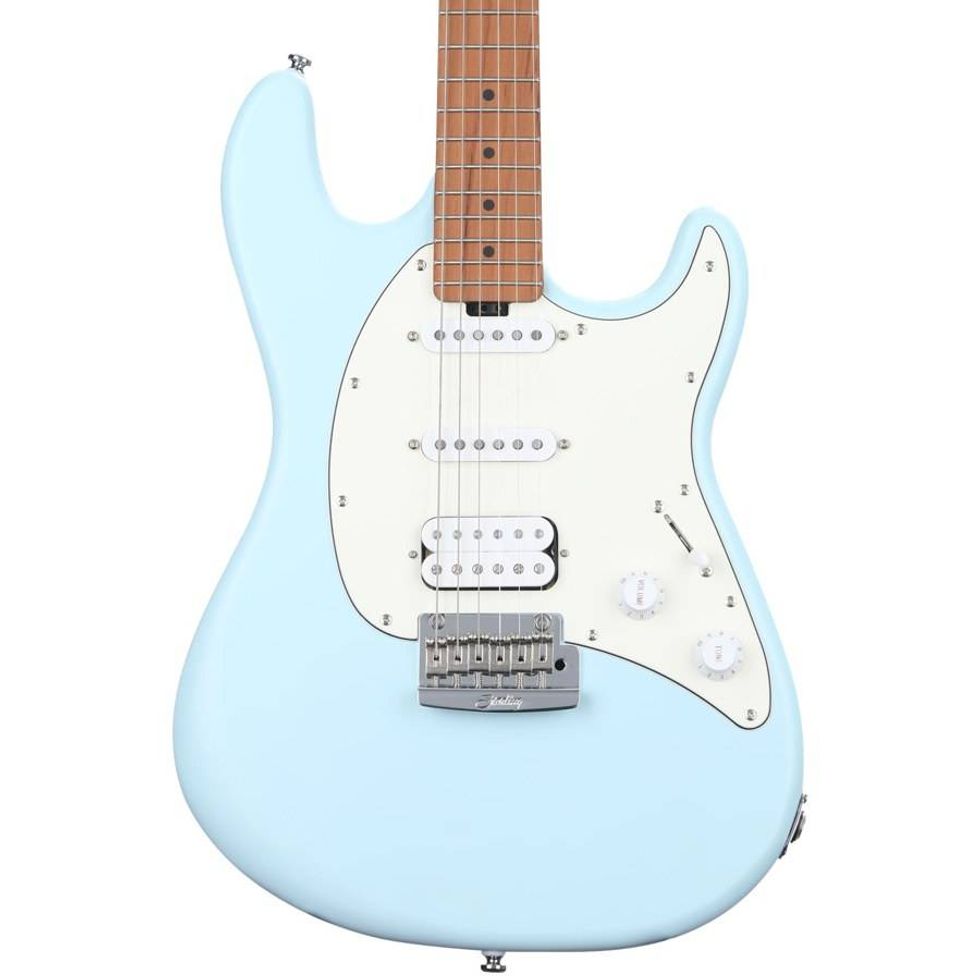
Sterling By Music Man Cutlass CT50HSS Electric Guitar - Daphne Blue Satin
A poplar body and roasted maple neck deliver a bright, resonant, well-balanced tone, while the H/S/S pickup configuration and 5-way blade switch offer plenty of tonal range for the price.
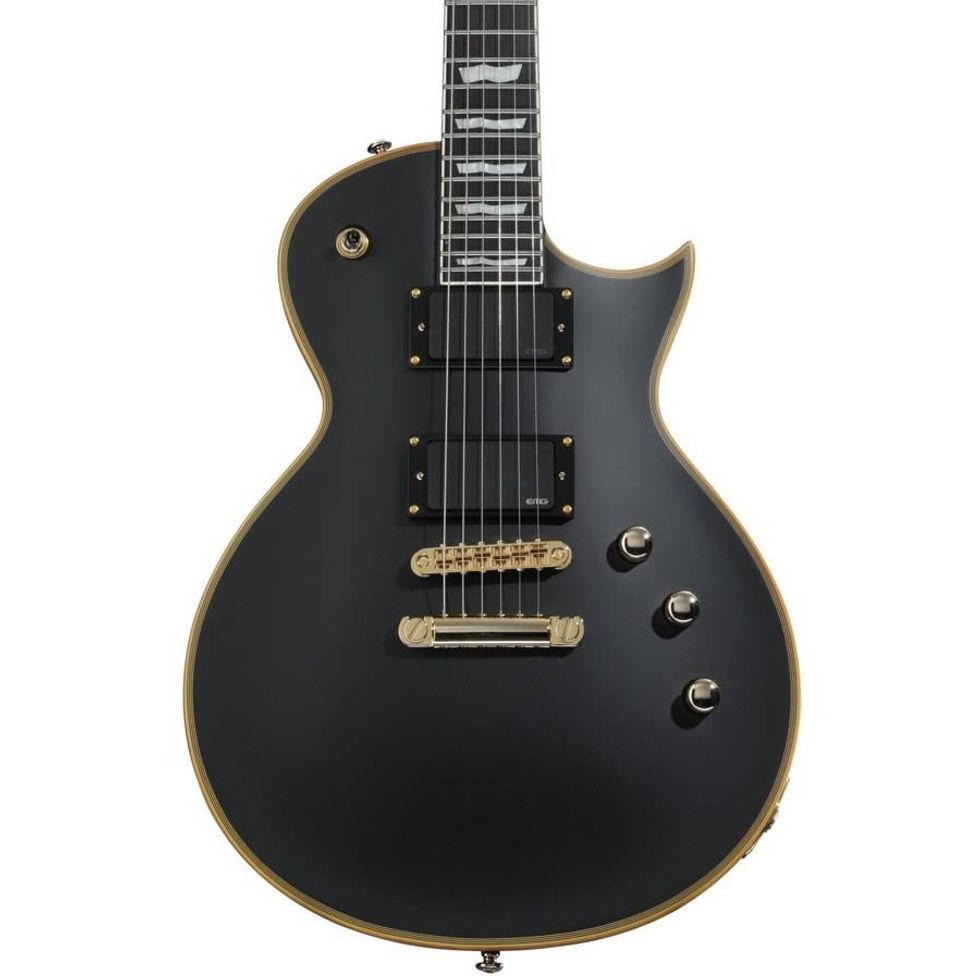
ESP LTD EC-1000 Electric Guitar - Vintage Black (Dent and Scratch)
A mahogany-bodied, set-neck Eclipse-style guitar with an ebony fingerboard and EMG humbuckers for articulate tone from chiming cleans to growling high-gain — this blemished dent-and-scratch unit is deeply discounted off the $1,099 list.
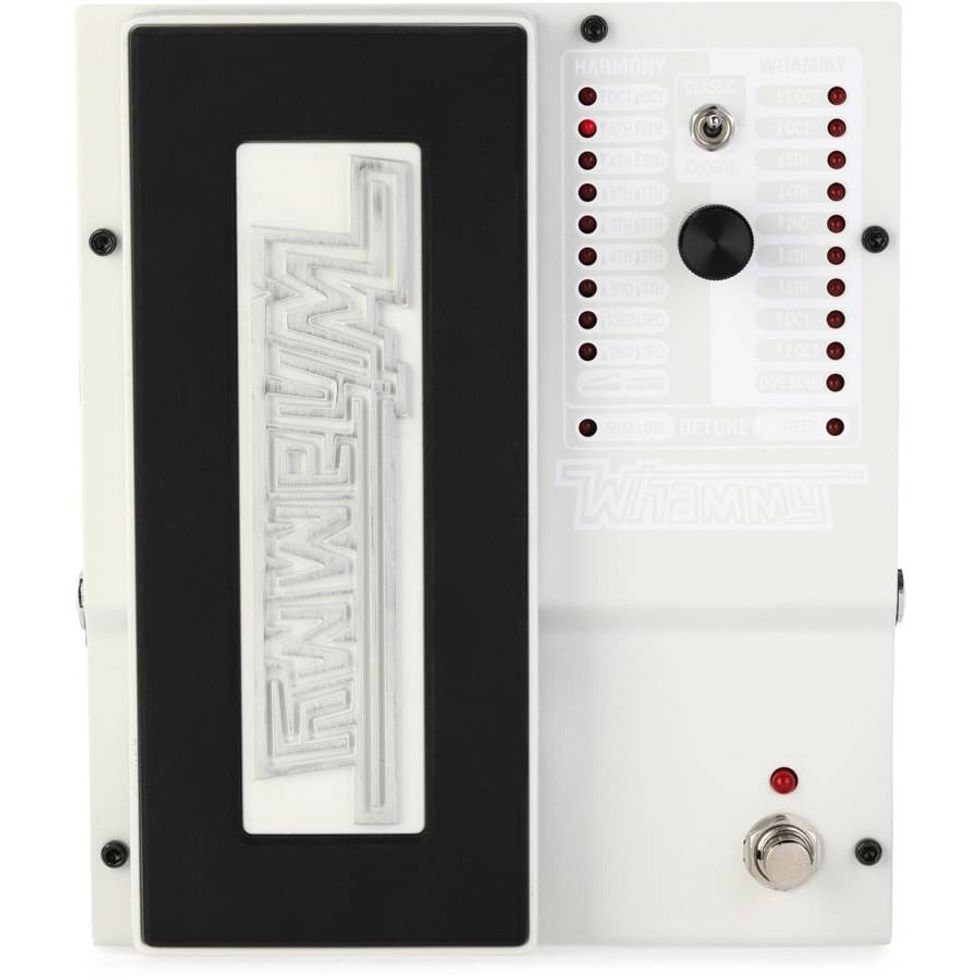
DigiTech Whammy 5 Pitch-shifting Pedal - White, Sweetwater Exclusive
A polyphonic pitch-shifting pedal with an expression treadle and MIDI input, in a limited white finish exclusive to Sweetwater that won't be restocked once it sells out.
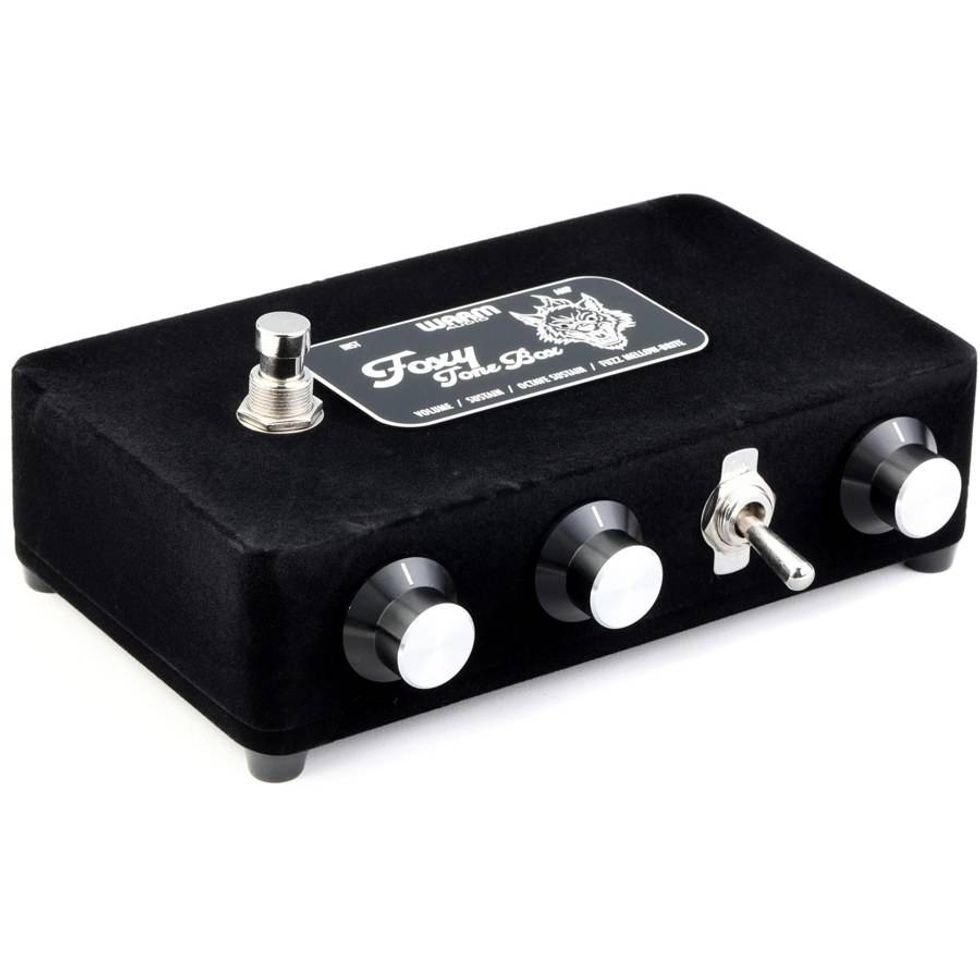
Warm Audio Foxy Tone Box Fuzz Pedal - Werewolf Black, Sweetwater Exclusive
Hand-assembled with premium NOS parts for vintage-correct tone, this limited-edition octave fuzz pedal recreates a beloved '70s circuit with volume, sustain, and fuzz controls plus a switchable octave-up mode.
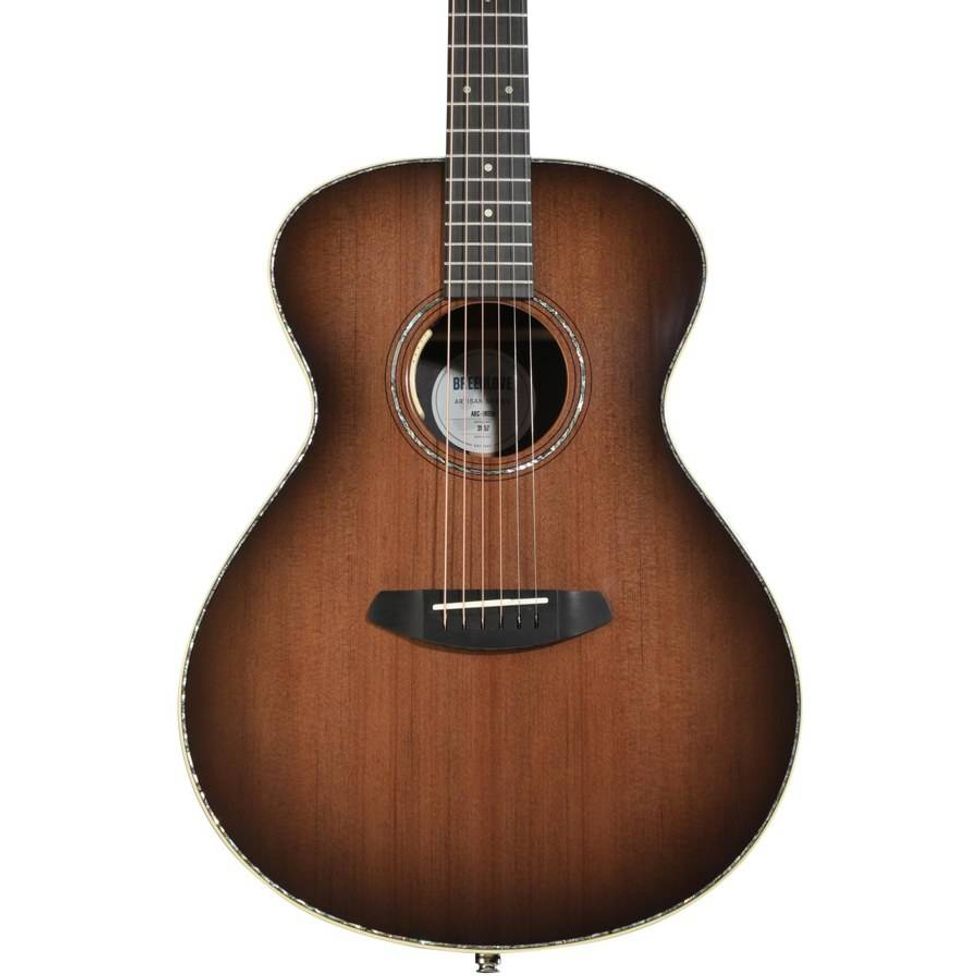
Breedlove Artisan Concert E Adirondack/Rosewood Acoustic-electric Guitar - Edgeburst
A concert-body acoustic-electric with a redwood top over rosewood back and sides, mahogany neck, and ebony fingerboard — premium tonewoods built for detailed, balanced amplified performance.
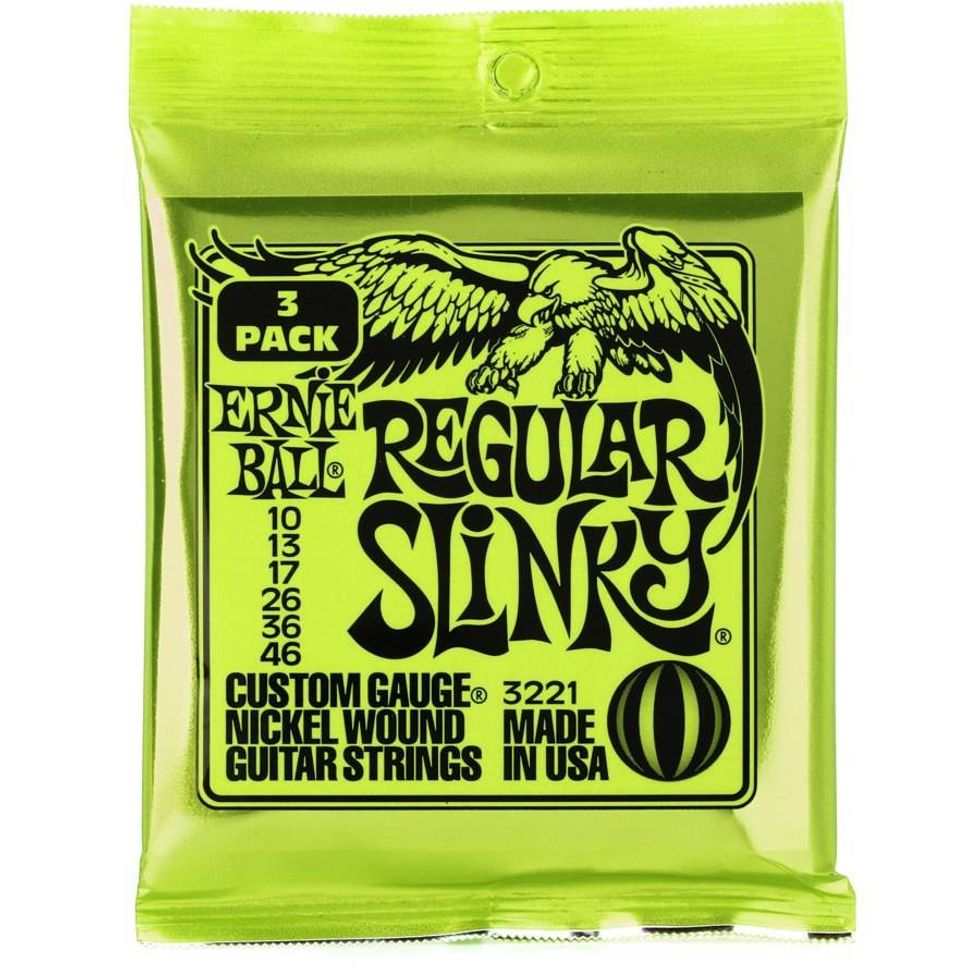
Ernie Ball 3221 Regular Slinky Nickel Wound Electric Guitar Strings - .010-.046 Factory 3-pack
Nickel-plated steel wire wrapped around a tin-plated hex core for balanced tone across highs, mids, and lows — the industry-standard Regular Slinky gauge (.010-.046) in a factory-sealed 3-pack.
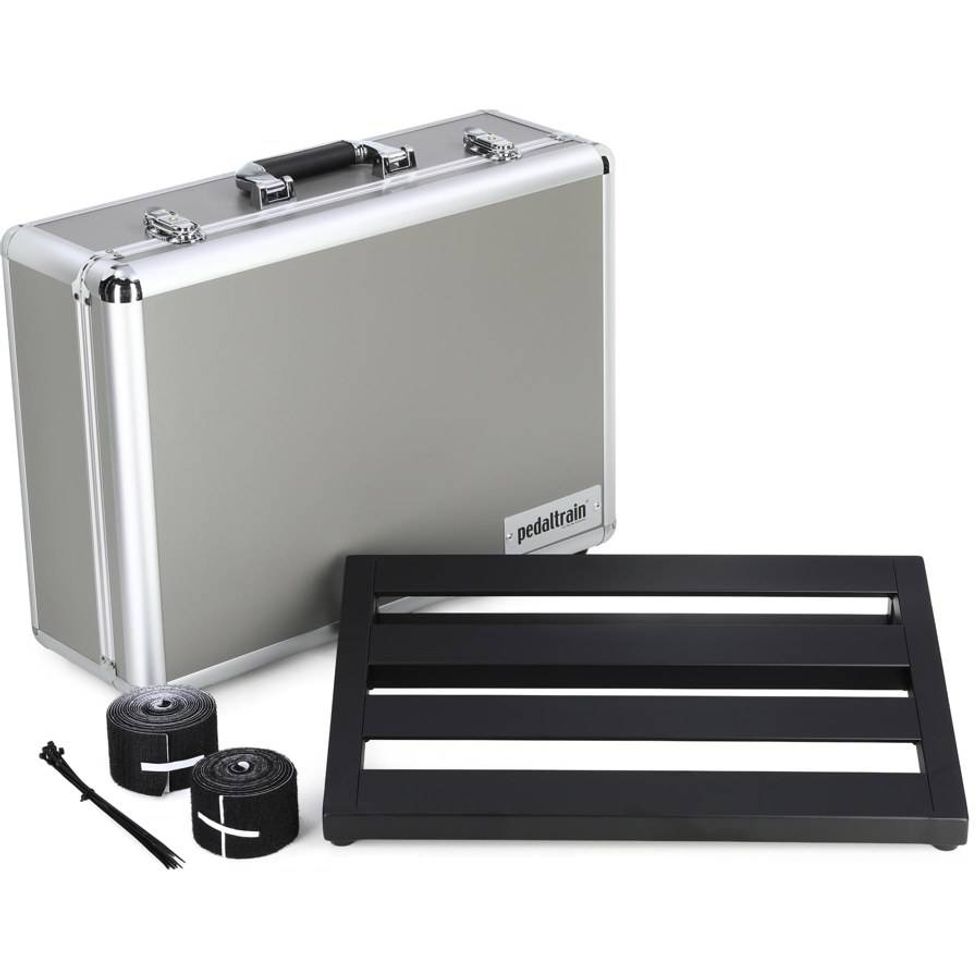
Pedaltrain Classic Jr Pedalboard with Slim Line Hard Case
The Classic JR's wider stance and extra inch of elevation fit just about any power supply, built on Pedaltrain's featherweight aircraft-grade aluminum rails, now bundled with a low-profile hard case for the road.
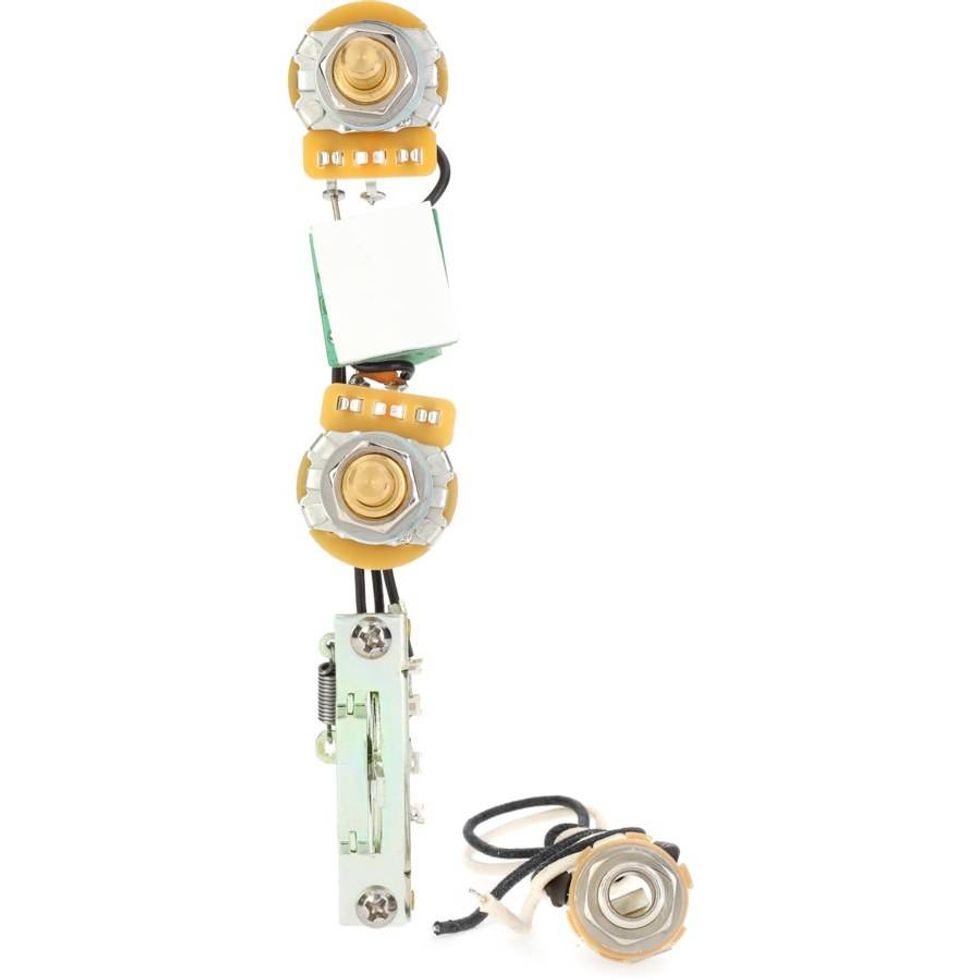
Mojotone Solderless Tele Standard Guitar Wiring Harness
A drop-in, solder-free wiring harness with CTS potentiometers, a Dijon capacitor, and treble-bleed circuit — swap out your stock electronics in minutes without a soldering iron.
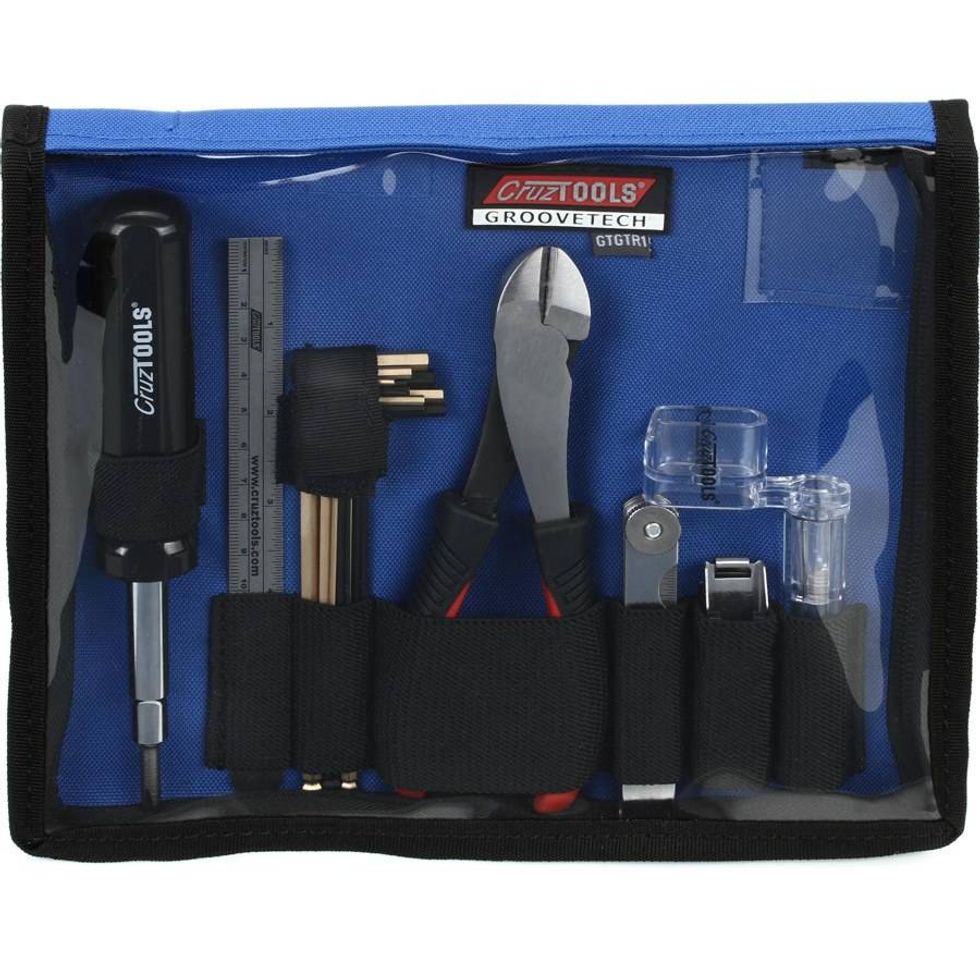
GrooveTech Guitar Player Tech Kit
A compact guitar setup kit with hex keys, a 6-in-1 screwdriver, thickness gauge, ruler, string cutters, capo, and an easy setup guide — everything needed to adjust action, intonation, and truss rod without paying a tech.
Keeley Electronics Introduces Tube Drive Twin Triode Dual Overdrive
Keeley Electronics has introduced the Tube Drive Twin Triode Dual Overdrive, a powerful dual-drive pedal built around a real high-voltage tube circuit and one of Keeley’s most celebrated overdrive voices. The standard Tube Drive features a Russian 12AX7 tube at the heart of its tube-driven preamp side, delivering warm, touch-sensitive grit, natural compression, and the unmistakable feel of real glass in the signal path.
The second side of the pedal is based on the legendary Keeley Super Phat Mod, adding thick, amp-like overdrive with punch, sustain, and harmonic depth. Players can use either side independently, stack them together for bigger gain tones, or switch the effect order on the fly with a simple foot gesture. From responsive tube breakup to saturated stacked drive, the Tube Drive is designed to cover a wide range of gain sounds while keeping the feel immediate and musical.
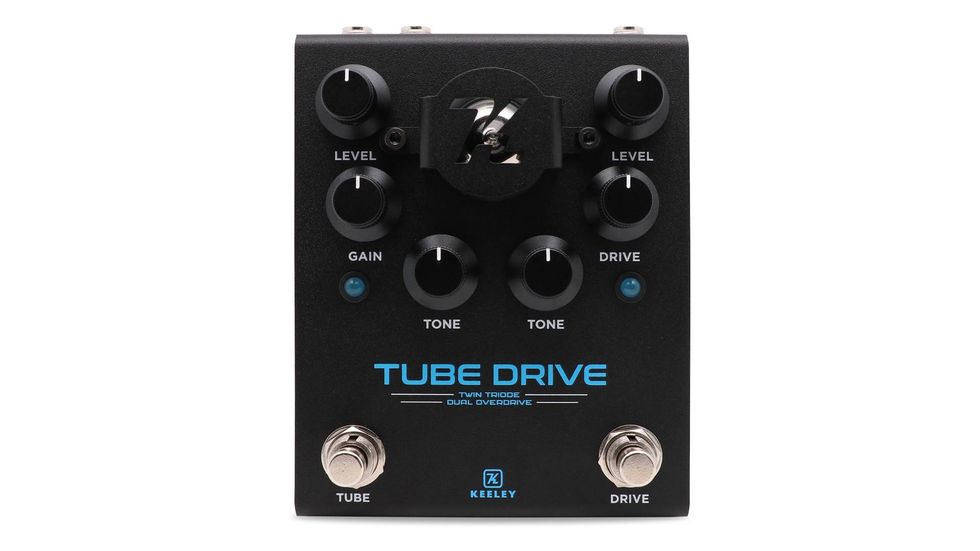
Built from start to finish at Keeley Electronics in Oklahoma City, the Tube Drive also includes selectable true-bypass or Keeley silent buffered switching, rugged construction, and a custom tube shield that proudly displays the tube at the center of the design. With real tube warmth and modern pedalboard flexibility, the Tube Drive Twin Triode Dual Overdrive is designed to be the heart of your gain section.
Like every Keeley pedal, the Tube Drive is designed and manufactured in Oklahoma, USA. Key features include:
● Real high-voltage tube-driven preamp side with Russian 12AX7 tube
● Keeley Super Phat Mod overdrive side for thick, amp-like drive
● Two independent overdrive voices in one rugged enclosure
● Stack both sides together for richer, higher-gain tones; Switch effect order on the fly with a simple foot gesture
● Selectable true-bypass or Keeley silent buffered switching
● Warm, touch-sensitive grit with natural tube compression, offering everything from low-gain breakup to saturated stacked overdrive
● Made in USA
Keeley’s Tube Drive Twin Triode Dual Overdrive carries a $399 street price. For more information visit robertkeeley.com.
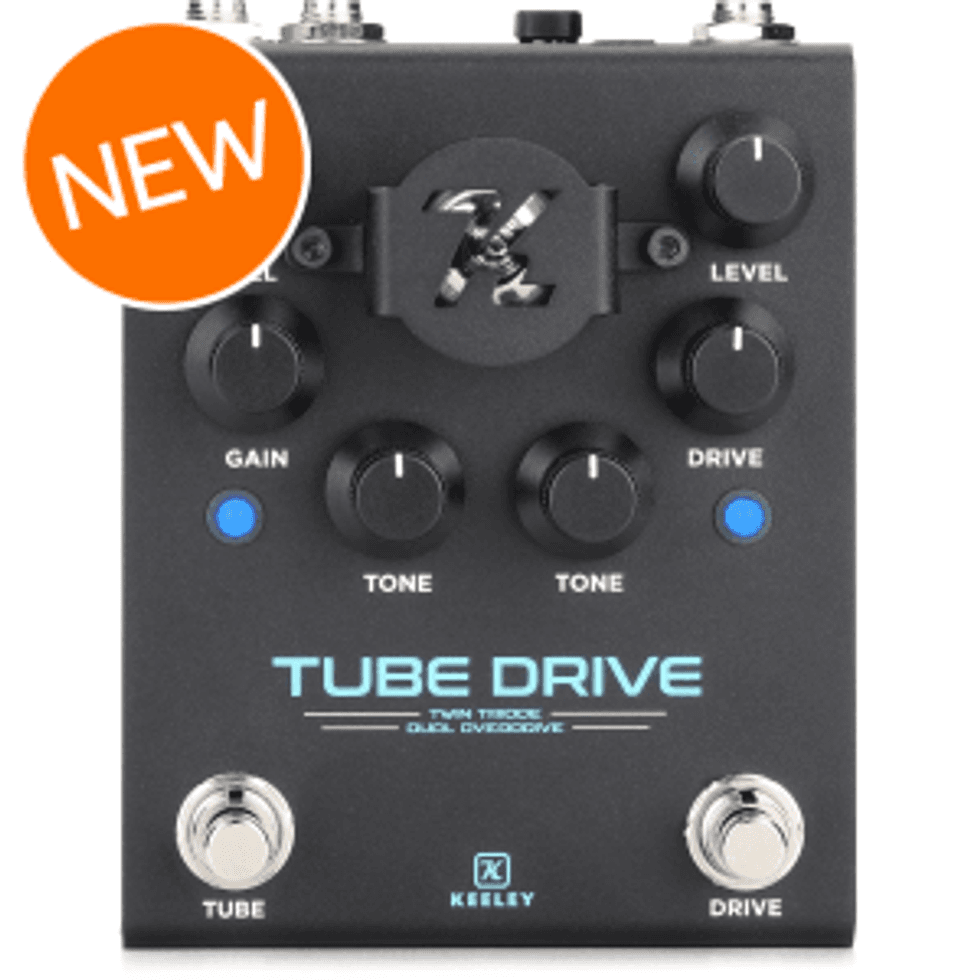
Tube Drive
Dual Overdrive Guitar Pedal, with Per-channel Level, Tone, and Gain Controls, FX Order Switching, 12AX7 Vacuum Tube, TRS Remote Jack, and True/Buffered Bypass - Black
TONE3000’s new free plugin gives you access to over 700,000 guitar tone captures

TONE3000 has spent the last few years building what it claims is the world’s largest library of guitar tones. And we’ve been hugely impressed when we’ve used it. Now, instead of making you hunt them down one by one, it’s putting the whole thing inside a plugin.
The company has launched the free, open-source TONE3000 plugin, giving guitarists and bassists direct access to more than 700,000 Neural Amp Modeler (NAM) captures and Impulse Responses (IRs) from within their DAW – or through a standalone app.
- READ MORE: New firmware update lets HeadRush users tap into a world of open-source guitar tone captures
Until now, using a tone from TONE3000 involved a little more work than you might expect: find the capture online, download it, unzip it, organise the file and load it into a separate NAM plugin. Want to try another? You’ll have to do it all again.
The new plugin cuts out that faff. Musicians can now browse TONE3000’s library from inside the plugin, with captures covering amps, pedals, speaker cabinets, full rigs, outboard gear, acoustic spaces and even some weird experimental setups.
Log into your TONE3000 account and you can also access your saved favourites, recently used tones, your own creations and private tones without leaving the plugin.
And because the library is constantly growing, you don’t have to wait for a plugin update to get your hands on new sounds. Every new tone added to TONE3000 becomes available through the plugin immediately, with no additional purchase required.
Unlike the traditional amp-sim model, where you buy a plugin and get a fixed collection of sounds, here, the TONE3000 plugin acts more like a gateway to a library that keeps expanding as the community adds to it.
Under the hood, everything is powered by NAM A2, the latest generation of Neural Amp Modeler technology developed by TONE3000 with NAM creator Steve Atkinson. For the uninitiated, NAM is free, open-source technology that uses AI to model analogue gear by learning from recordings of physical amps, pedals and other equipment.
“Because the TONE3000 Plugin is open source, right now is the worst it will ever be,” says the company’s co-founder and CEO Stanley Vergilis. “We’re excited to see what the community does with it.”
“With A2 we made captures dramatically more accurate, but accuracy doesn’t matter if loading a tone is a chore,” adds TONE3000 co-founder and CTO Woodbury Shortridge. “The plugin is where the architecture, the community library, and players finally meet in one place. Every layer is open source by design. We’re betting the future of tone belongs to the people creating it, not to whoever owns the technology.”
The plugin also goes considerably further than simply being a tone browser. You can stack unlimited NAM A2 captures and IRs to build signal chains, run dual chains with branching and panning, create stereo images and apply EQ at different points in the chain.
The TONE3000 plugin is available now for macOS, Windows and Linux, with VST3, AU, AAX, CLAP and LV2 support, as well as a standalone version. It works with major DAWs including Ableton Live, Logic Pro, Pro Tools, FL Studio, Cubase, Reaper and Bitwig Studio.
And, importantly, it’s free. Of course, if you want to take these tones into the real world, there are myriad options, from Blackstar’s impressive BEAM practice amp, to the more gig-ready situation of Headrush’s full stable of amp modelling pedals – NAM is truly taking over the world of guitar modelling in 2026.
Download the plugin today at TONE3000.
The post TONE3000’s new free plugin gives you access to over 700,000 guitar tone captures appeared first on Guitar.com | All Things Guitar.
Real Tube Tone with Dual Overdrive Personalities
John Bohlinger headed west to visit Robert Keeley who shows off an impressive dual drive that includes the company's heralded Super Phat Mod circuit paired with high-voltage drive that rocks with a Russian 12AX7 preamp tube. As Keeley explains to Bohlinger, there's a lot going on under the hood including a function that allows you to reverse the stacking order that gives the growl a whole new gnashing character.
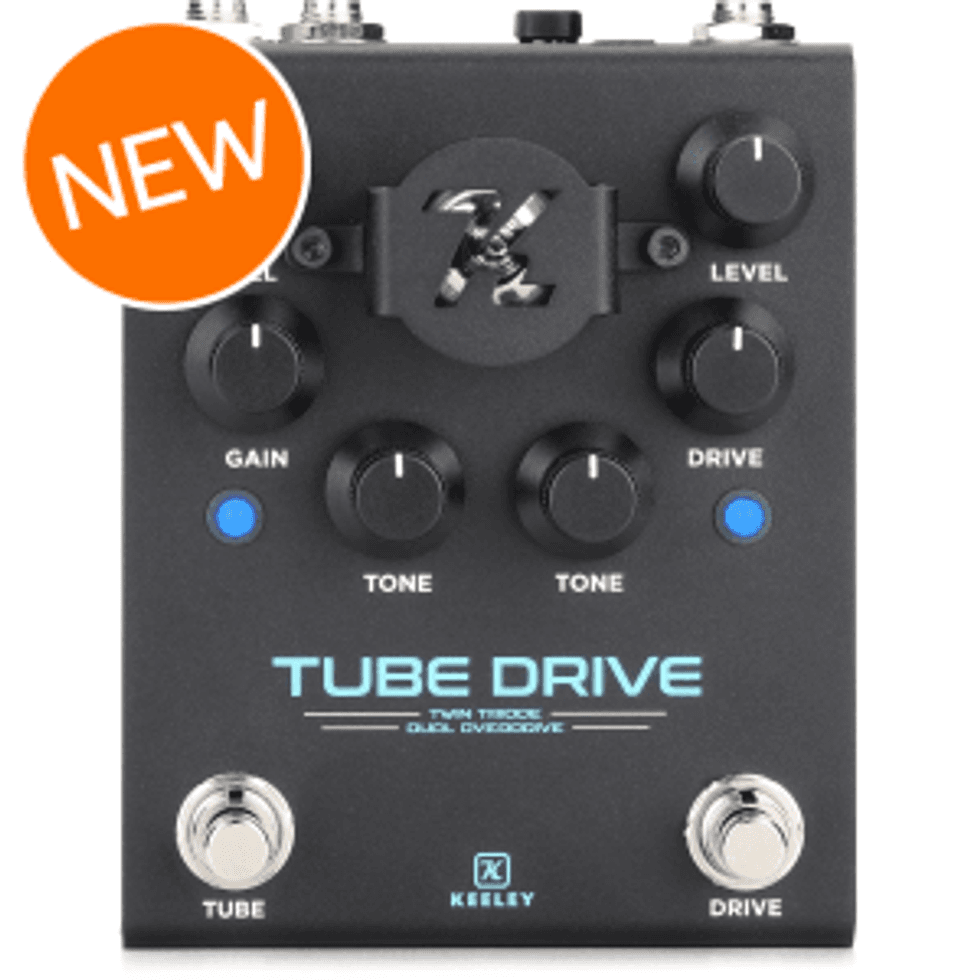
Tube Drive
Dual Overdrive Guitar Pedal, with Per-channel Level, Tone, and Gain Controls, FX Order Switching, 12AX7 Vacuum Tube, TRS Remote Jack, and True/Buffered Bypass - Black
Headrush brings real amp looks to the powered cab game with new FRFR Cab Series

If you’ve wanted to use your digital guitar unit of choice in a live context, but still want the authentic experience of moving real air, Headrush has pretty much been the standard-setter for some time now.
The company pretty much invented the market for FRFR (Full Range, Flat Response) guitar cabs that has exploded as the likes of Neural DSP, Fractal, Kemper and Helix have offered us a wealth of new ways to sound good in the digital sphere. But as the market has grown, so the competition has increased for your powered cab dollar – and it’s perhaps no surprise that the king of the sector has come back firing on all cylinders.
- READ MORE: New firmware update lets HeadRush users tap into a world of open-source guitar tone captures
The most striking thing about the new FRFR Cab series is their look and form factor. When the original FRFR-108 launched back in 2019, it made sense that the brand would envision it primarily as monitors for guitarists going direct into a PA, and as such they were shaped like classic speaker wedges.
Of course, a LOT has changed in the world of digital guitar acceptance in the seven years since, and it was notable how many guitarists had their interests piqued by Fender’s Tone Master FR-12, with its traditional amp aesthetics, when it launched alongside the Tone Master Pro back in 2023. In fact, the FR-12 has been such a hit with guitarists who want the look of a real amp while still running their Quad or their Helix, they even made a tweed one.
 Image: Headrush
The new FRFR Cabs lean heavily into this, with both an 8-inch and 12-inch versions that have the classic closed-back look of a combo amp, complete with a vintage Marshall-style split grille cloth, black tolex, and a top-mounted control panel with classic gold amp knobs. The cab’s wooden now too, as opposed to the plastic of old. If you want to retain the aesthetic of a classic guitar amp on stage while still having the full-on Headrush experience, this is the cab for you. And if you do still need to tilt them back in the manner of old, each cab has a pair of tilt back legs so you can set them up at the angle of your choosing.
Of course, it’s not just about the looks here – the sound is why people love Headrush FRFR cabs, and they’re not messing around. Joining the single eight- or 12-inch speaker in your chosen cab, you’ll find a custom-designed low-frequency woofer with a 1-inch high-frequency compression driver and a wide 90° conical horn. All that means you’ll get a full, rich frequency response across the spectrum, and if you want to use your cab to run backing tracks or other non-guitar sounds, it’ll do it with aplomb.
And did we mention these suckers are loud? Headrush never spare the wattage when it comes to their FRFR cabs, and these are no exception, the FRFR-8 will deliver a monster 480W Peak/240W RMS (200W LF/40W HF) of pure power, while the FRFR-12 gets even more ridiculous with 750W Peak/325W RMS (285W LF/40W HF).
 Image: Headrush
You also get the quality of life stuff like bluetooth 5.3 connectivity, a XLR/TRS combo input for easy hooking up to any modelling pedal, a 3-band Baxandall EQ with high-cut filter to adapt your sound on the fly to the room you’re in, and rugged, road ready build quality.
“Guitarists and bassists building their sound in a modeling pedal deserve a cabinet that gets out of the way and lets that tone come through, on stage, in the studio, wherever they play,” said John Boudreau, HeadRush Director of Product Development. “The FRFR CAB Series pairs that accuracy with the feel of a real amp cabinet, so the rig sounds and feels like home no matter where you’re plugging in.”
The FRFR-8 CAB is $399/£279 while the FRFR-12 CAB is $499/£359 – both are available now.
Head to headrushfx.com for more.
The post Headrush brings real amp looks to the powered cab game with new FRFR Cab Series appeared first on Guitar.com | All Things Guitar.
HeadRush Introduces FRFR CAB Series of Amps
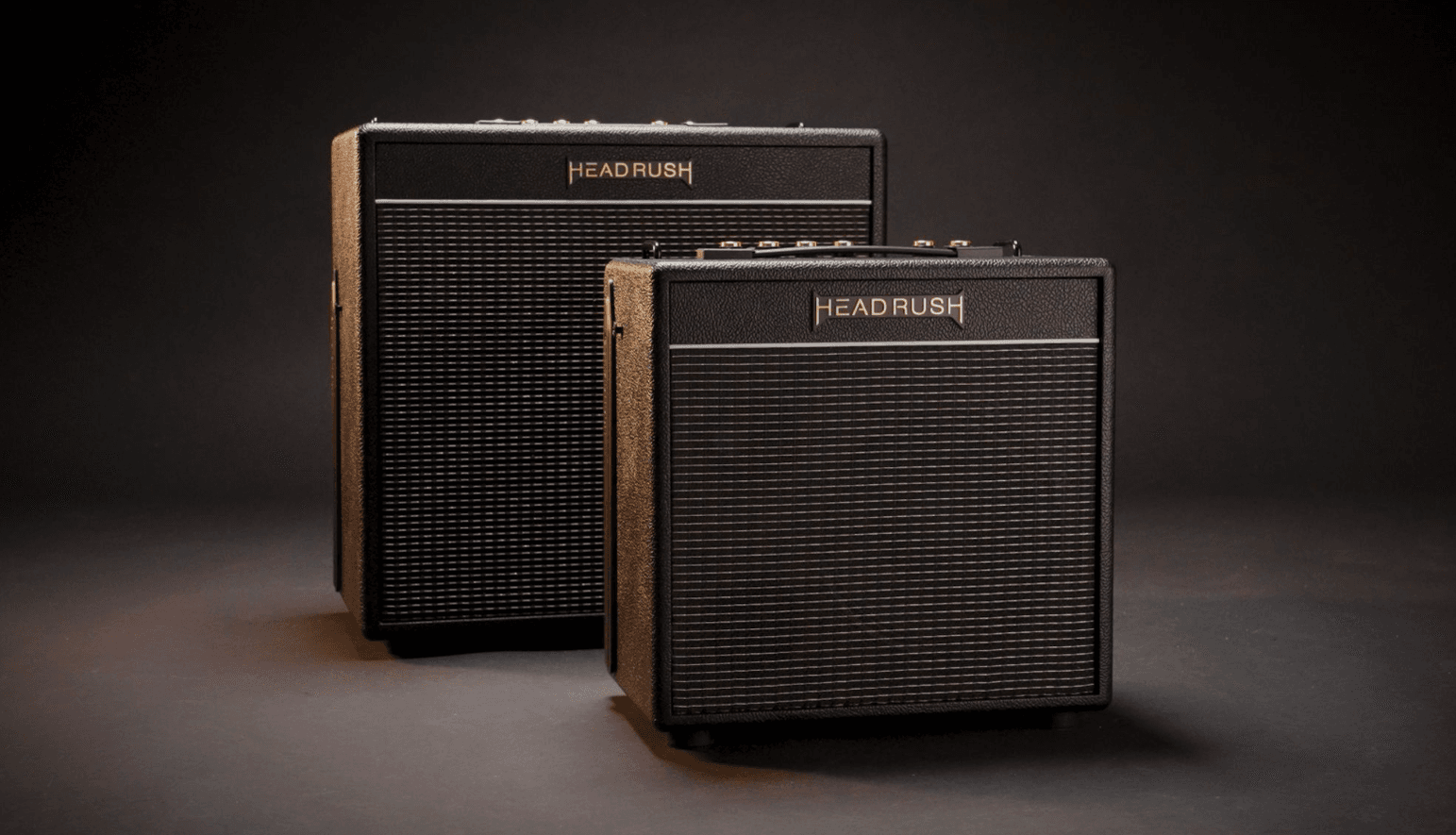
HeadRush has introduced its FRFR CAB Series, a new line of full-range, flat-response guitar amp cabinets purpose-built for players who build their sound around modeling pedals. With a traditional amp-style cabinet format and Bluetooth® connectivity, they’re ideal for practice, rehearsal and live performance.
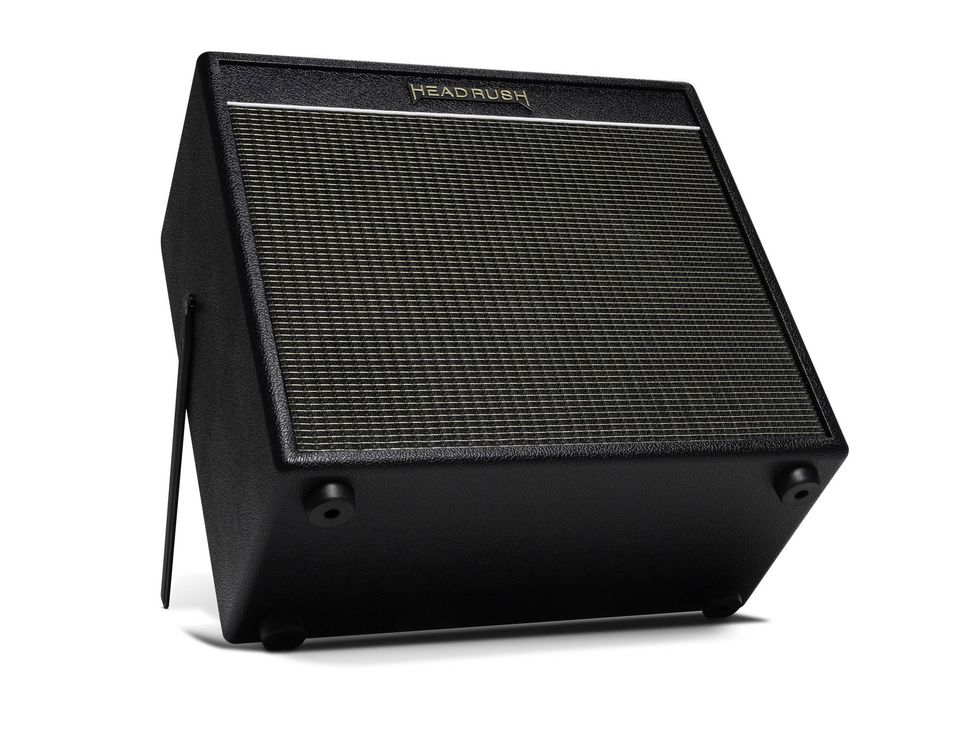
Available in two sizes, the compact FRFR-8 CAB and the higher-output FRFR-12 CAB offers guitarists and bassists a cabinet that faithfully amplifies the tones they've already dialed in.
For players who have moved their sound into modeling pedals, amp profiles, 3rd party IRs, Neural Amp Modeler, and other capture technology, finding an amplification solution that reproduces tone accurately, without recoloring it, is essential. The HeadRush FRFR CAB Series delivers HeadRush’s custom-tuned full-range, flat-response performance within a traditional guitar cabinet. The series includes the compact 8-inch FRFR-8 CAB, offering up to 480 watts of peak power, and the larger 12-inch FRFR-12 CAB, delivering up to 750 watts for higher-output stage settings.
Both cabinets pair a custom-designed low-frequency woofer with a 1-inch high-frequency compression driver and a wide 90° conical horn, delivering clear, even coverage that lets modeled tones translate accurately in any room. A legendary 3-band Baxandall EQ with a variable high-cut filter makes it fast to dial in the cabinet for a new rehearsal space, stage, or studio, without ever having to rebuild the tone built inside the modeling pedal.
Connectivity is straightforward: a combo XLR/TRS line-level input connects to virtually any modeling pedal, profiler, or digital guitar processor, while an XLR line output feeds a clean signal to the PA system or links multiple cabinets. Combine two FRFR CABs for stereo rigs built from the stereo outputs of a modeling pedal. Built-in Bluetooth® 5.3 rounds out the package, letting players stream backing tracks, rehearse with band mixes, and learn new songs directly through the cabinet.
“Guitarists and bassists building their sound in a modeling pedal deserve a cabinet that gets out of the way and lets that tone come through, on stage, in the studio, wherever they play,” said John Boudreau, HeadRush Director of Product Development. “The FRFR CAB Series pairs that accuracy with the feel of a real amp cabinet, so the rig sounds and feels like home no matter where you're plugging in.”
A Cabinet for Every Rig
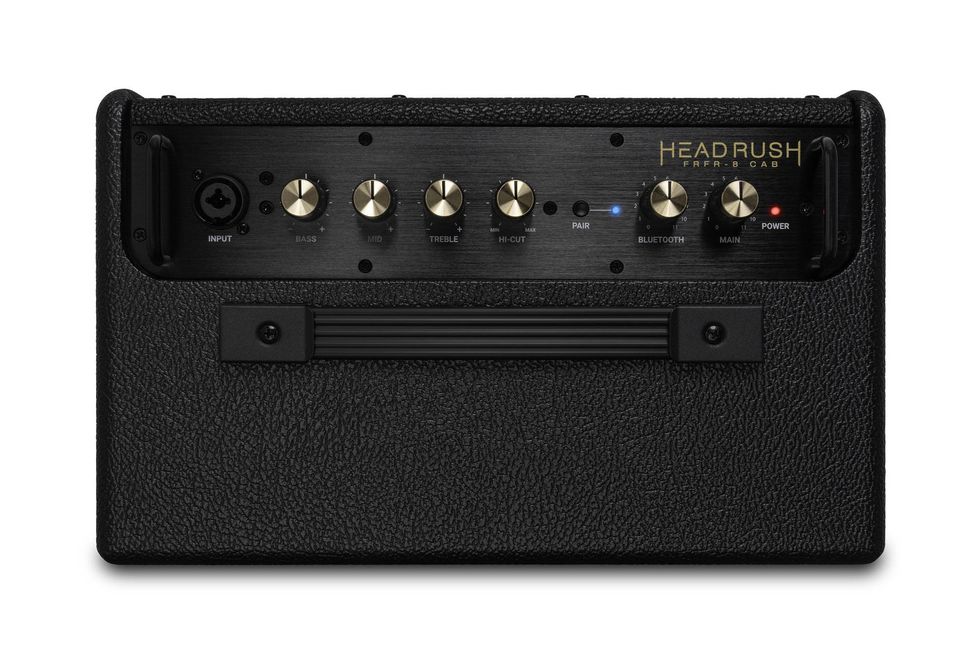
The FRFR-8 CAB is built for home players, recording setups, rehearsals, and smaller venues where portability matters but true feel still counts. At 14.3" x 14.1" x 8.5", it's an easy companion for any modeling rig. The FRFR-12 CAB steps up to 18.4" x 19.1" x 9.6", delivering the output and stage presence musicians need for louder performance environments. Both cabinets are housed in a rugged, closed-back wooden cabinet with a built-in kickstand for an optimal monitoring angle onstage.
A Cabinet for Every Rig
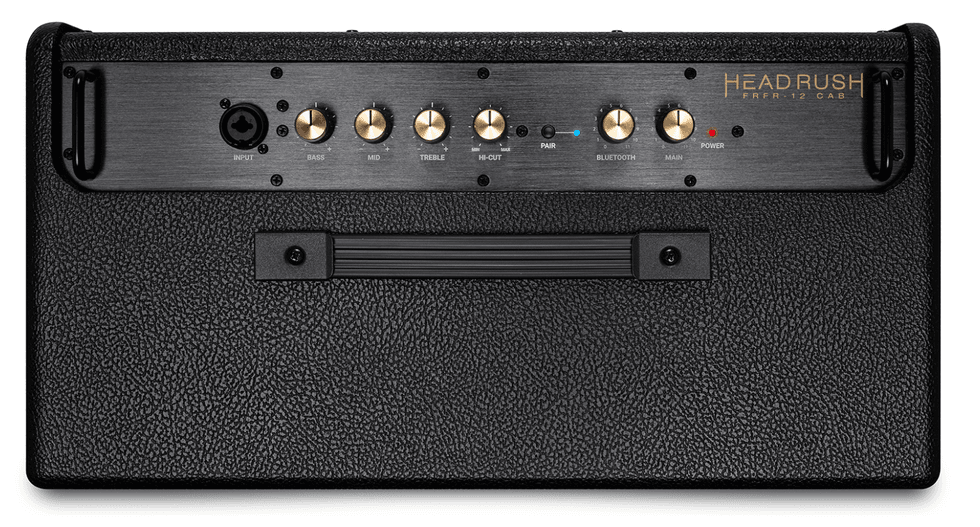
Key Features Include
- Purpose-Built for Modeling Pedals: Full-range, flat-response amplification preserves modeled tones with accuracy, without the coloration of a traditional guitar amp
- Traditional Amp Aesthetics: Classic amp-style cabinet design delivers a familiar look and stage presence
- Two Configurations: Available in the compact FRFR-8 CAB and higher-output FRFR-12 CAB
- Custom Drivers: A custom-designed woofer and 1" compression driver provide clear, balanced sound reproduction
- Wide Coverage: A 90° conical horn helps distribute sound evenly across the room
- Legendary 3-Band Baxandall EQ: Variable high-cut filter adapts the cabinet to any room, stage, or studio
- Flexible Connectivity: XLR/TRS combo input connects easily to modeling pedals and processors; XLR line output simplifies PA integration and cabinet linking
- Bluetooth® for Musicians: Built-in Bluetooth® 5.3 audio supports practice, rehearsal, and playback
- Built-In Kickstand: Provides an improved personal monitoring angle onstage
- Road-Ready Construction: Rugged, closed-back wooden cabinet built for regular transport and performance
The HeadRush FRFR-8 CAB is priced at $399 and the FRFR-12 CAB is priced at $499. To learn more, visit www.headrushfx.com.
Fender Telecaster: 75 Years Of History

Fender Telecaster: 75 Years Of History
[shorthand url=”https://nme-networks.shorthandstories.com/fender-telecaster-75-years-of-history/index.html”]
The post Fender Telecaster: 75 Years Of History appeared first on Guitar.com | All Things Guitar.
Gretsch G5260 Electromatic Jet Baritone review: more long-scale chaos from Gretsch

$549/£519, gretschguitars.com
By the end of this year, I’ll most likely have reviewed more baritone guitars than regular-scale instruments. There are a bunch of reasons that guitar culture is thoroughly embracing the whole baritone thing these days, but enough wrangling on about Loathe and Sleep Token has been done in these reviews alone to fill a nine-volume encyclopaedia. So, let’s take the fervent appetite for baritones as a given, and look at another of this year’s new heavy-focused Gretsch instruments: the Jet Baritone.
 Image: Adam Gasson
What is it?
The Jet Baritone is the sibling instrument to the CVT Baritone, which I reviewed a short while ago, and also absolutely bloody loved. That guitar was treading some new ground for Gretsch, in that it was utilising the niche, recently-revived Corvette body shape, and working with a 27” scale length. The Jet, on the other hand, is much more within Gretsch’s established wheelhouse of baritones – it follows the G5260 from a little while ago, the thing that arguably kicked off this whole accidental association between Gretsch and modern metal. Like that guitar, we’ve got the more vintage 29.75” scale here – just a quarter-inch short of a Bass VI.
So what’s different this time? Well, like with the CVT, Gretsch has abandoned its more vintage, restrained sonic palette – lest we forget that the Loathe-featuring demo video featured more pummelling downtuned riffs than you could shake a long-scale stick at, calling to attention a spec-sheet that’s more metal than a Slayer gig in an industrial blast furnace.
Both of the 2026 Gretsch baritones have launched with the new Twin Six humbuckers, full-bodied things that will handle heavy sounds a lot better than the vintage-output pickups more commonly found in Gretsches. There’s also a more neutral, flat stop-bar tailpiece, rather than the vintage-style V stop-bar, and we’ve got coil-splitting push-pulls controls for both pickups if that’s your thing.
The Jet shape is still quite classically Gretsch – dating back all the way to 1953 when the brand went “oh crap, everyone seems to be buying a hell of a lot of solidbody guitars these days” – but the aesthetic touches here bring it into a classy modern metal mould fairly seamlessly. It’s all nickel hardware and dark wood (I much prefer the Imperial Stain here to the Bristol Fog of the CVT) with nice cream binding that has the secondary effect of keeping the outline of the guitar present and readable when you invariably play it wearing a black t-shirt.
The only headscratcher is that the pickup rings are made of a slightly tinted clear plastic. It’s subtle and by no means ruins the look, but it smacks of “we had a few extra boxes of translucent magenta pickup rings lying about” more so than “this will be a cohesive addition to this guitar’s aesthetic”.
 Image: Adam Gasson
Build quality and usability
The Jet, like its sibling guitar, is built in a way that belies its mid-level price tag – this thing feels very premium for something that costs £549. The electronics are high quality, with all-metal knobs and push-pull posts that give a reassuring clunk upon operation. The tuners are fairly prosaic sealed ones, but they’re more than functional and even with some silly tuning experiments, I never have the guitar drift out of tune.
Ergonomically, it’s an interesting thing – it takes, as you’d imagine, some getting used to, even for me, who plays a baritone basically every day. The 29.75” scale is well into Bass VI territory, which means quite a hefty span. The benefit is that a set of Bass VI strings and the right setup could absolutely see this thing stay stable down to double drop C# (IE, with the lowest string a casual 15 semitones lower than regular E standard).
As it stands, I stay between B standard and drop F, and have a perfectly pleasant time in doing so – tunings around B and A feel very taught indeed, while Drop F is obviously a bit slacker, the extra scale means the guitar handles it very well.
The body is relatively heavy, but what it loses in lightweight chuckability, it gains in feeling solid and well-balanced. The neck, which feels hilariously long (and makes standard-scale guitars feel like ukuleles after a week or so of testing) , always presents properly, and even if your arms and shoulders have to get used to a slightly wider stance. Not absurdly so, though – in converting the guitar to a baritone, the bridge has thankfully been moved quite far down the body, which means the string length isn’t totally off-centre.
The neck profile is a very middle-of-the-road thing, and while middle-of-the-road is seldom a ringing endorsement, it’s no bad thing here. Despite the metal focus, this is not a shred machine; it’s a riff machine. So there’s enough meat that it feels substantial and meaningful in your hands as you shift around power-chords, but it’s not thick enough that you’re just fighting it the whole time. It’s a little sticky and glossy, sure, but that’s really just its one concession to its price point – given that it’s in the £550 range, I’d have no bones about taking some Scotch-Brite to it too if you wanted a more satin feel.
 Image: Adam Gasson
Sounds
The Twin Sixes are, in my view, pretty damn good pickups. However, while the extra scale length here brings out a bit more punch in higher tunings like B and A standard, that extra punch highlights that the pickups are a little on the sludgy side, particularly if you venture down towards the Bass VI range. This is great for playing, well, sludge metal, but their meatier output is pretty full-spectrum, and compared to their performance in the CVT they get just a touch less controlled in the low end if you want tighter chugs.
While it’s perhaps unfair to compare this guitar to something almost ten times its price, I’m reminded of the LSL Baribone I recently looked at – specifically the Bareknuckle Impulse that was chosen for its bridge position. That was a pickup voiced for heavy-focused baritones, and you could really hear it – here, the limitations of a slightly more broadly-voiced thing become a little bit more apparent.
The good news is that you can split the Twin Sixes, and while that brings some extra noise, setups that seek that chuggier, brighter sound will invariably be using a gate anyway. The split-coil sounds here through high-gain are actually really engaging, with a super twangy, djenty feel that brings back some extra articulation – although this may be a little too far the other way for some.
Of course, these split-coil sounds are well-suited to clean and ambient sounds as well. They won’t win any awards for outstanding depth and clarity, but they do the job well enough. As with the CVT, they remain pretty full-sounding and loud even in split-coil mode, so they won’t do a true impression of something like a Fender Bass VI – but that’s likely not your use-case for a guitar like this. For ambient textures and clean intros, they’ll get you there.
 Image: Adam Gasson
Should I buy one?
There’s clearly an audience for this kind of guitar, and I think Gretsch has absolutely delivered for them – the longer scale means it’s flexible from tight standard-baritone things all the way down to truly extreme tunings, with electronics that are more than ready to handle heavier sounds.
The build quality and general togetherness of the instrument would make it an easy recommendation anyway, but it helps that it’s also pretty unique in its space. Realistically, if you’re enamoured with the vibe and aesthetics and are looking for an instrument of this scale length, I’d heartily recommend – the sounds are great at the moment, and as the pickups are easily-swapped humbuckers, they could get even greater down the line.
 Image: Adam Gasson
Alternatives
An obvious alternative is of course the CVT equivalent ($/£599.99) with much the same specs but a shorter scale of 27” and a double-cut body. For a more offset vibe but staying in the HH mode, Squier has just released the Paranormal Jazzmaster HH baritone ($/£479.99), and the Fender Player Fusion Jaguar Baritone ($1,299.99/£1,049).
If you’d rather a more vintage set of sounds but want the same long scale, there’s both the Fender Vintera III Early ‘60s and Classic Vibe Bass VIs ($1,499/£1,229 and $569.99/£509 respectively), or the Danelectro ‘56 Baritone ($599).
If you’ve dry-heaved every time you’ve read the word ‘vintage’ in this review, and you play in the kind of band that has a separate budget for sacrificial goats, there are plenty of more explicitly metal baritone options out there with a more minimal, sharper aesthetic – such as the ESP LTD M-201HT ($599).
The post Gretsch G5260 Electromatic Jet Baritone review: more long-scale chaos from Gretsch appeared first on Guitar.com | All Things Guitar.
Wintergrass Sessions: Woody Platt and the Bluegrass Gentlemen
At the 2026 Wintergrass festival in Bellevue, Washington, the Fretboard Journal teamed up with filmers I Know We Should to capture some of our favorite artists (and talk gear).
In this session, we hear from Woody Platt and the Bluegrass Gentlemen.
In this video, we get a rundown on the band’s favorite gear, including Platt’s Collings and mandolin player Darren Shumaker’s Gilchrist.
Register now for Wintergrass 2027. The lineup in 2027 will include Sierra Hull, Jerry Douglas Band, East Nash Grass and other bluegrass favorites.
Video by Brad Wagner, audio by Juan M Soria.
We’ll be sharing more highlights from Wintergrass 2026 on a weekly basis here and on our YouTube channel.
The post Wintergrass Sessions: Woody Platt and the Bluegrass Gentlemen first appeared on Fretboard Journal.
Truth About Vintage Amps, Ep. 170
New Truth About Vintage Amps discount from Amplified Parts on all Apex matched-tube products: TAVAAPEX10gets you a one-time discount of 10% off Apex products now through October 31. So stock up! https://www.apexmatching.com
It’s the 170th episode of the Truth About Vintage Amps, the call-in show where amp tech Skip Simmons fields all of your guitar amplification questions (or at least the ones involving tubes).
Thank you to our sponsors: Grez Guitars; Emerald City Guitars; and Amplified Parts / Mod Electronics.
Some of the topics discussed this week:
:32 What’s on Skip’s Bench: A Voice of Music 8810
2:40 Jason’s Fretboard Summit 2026 report
10:13 Recommended reading: Willie Dixon’s ‘I Am the Blues,’ ‘Bo Diddley: Living Legend,’ and ‘Buzz Busby: Father of Washington DC Bluegrass’
12:35 Is this Fender Super Champ safe to use?
20:06 Aotearoa New Zealand Amplifier History Project (support it here); New Zealand pop and punk; building guitars in the Congo (Fretboard Journal #56)
25:19 MusicMan HD130; Sun O))); a typewriter at the 2027 Summit?
33:34 Who made Rickenbacker amps? Talk to me about my Rickenbacker M11
41:14 Bix Beiderbecke’s birthday (August 6); conversing with your amp heroes; frozen udon noodles and mushroom stock powder; Red Norvo’s “In a Mist”; Donald Brosnac’s ‘Guitar Electronics for Musicians’
50:06 Warming up a two-pronged amp through a Variac; if a Jenson speaker has been re-coned, can I stop worrying about its value?
55:35 Listener recommendation: A cheap Amazon wall outlet meter (link)
57:36 Mark Bartel’s prototype line-out interface (see Instagram pic!)
58:24 The magic of purslane
1:00:29 Why a vibrator? (on old DC amps/PAs)
1:04:19 The Savage Croaker amp; Bloodstone’s “Natural High;” Mesa Boogie Mark I repairs and Jim Washburn
Want to be a part of the show? Join us by sending your voice memo or written questions to podcast@fretboardjournal.com! Include a photo, too.
Hosted by amp tech Skip Simmons and co-hosted/produced by Jason Verlinde of the Fretboard Journal.
Above: Listener Bryan’s Fender Super Champ.


The post Truth About Vintage Amps, Ep. 170 first appeared on Fretboard Journal.
He Fixed Randy Rhoads’ Guitar. Then Eddie Van Halen Called.
You might not know his name, but you know Jim DeCola's work. The longtime luthier and influential industry staple sits down with John Bohlinger to discuss his repairman beginings (including an impactful fix for Randy Rhoads), to designing the Peavey EVH Wolfgang for Eddie Van Halen, and his lengthy career that includes both guitar giants -- Fender and Gibson. Plus, DeCola shares how his first love of skateboarding is a parallel to guitar building and explains why dropping into half pipes and empty pools fill his heart as much as working on guitars and play music.
TONE3000’s new free plugin gives you access to over 700,000 guitar tone captures

TONE3000 has spent the last few years building what it claims is the world’s largest library of guitar tones. Now, instead of making you hunt them down one by one, it’s putting the whole thing inside a plugin.
The company has launched the free, open-source TONE3000 plugin, giving guitarists and bassists direct access to more than 700,000 Neural Amp Modeler (NAM) captures and Impulse Responses (IRs) from within their DAW – or through a standalone app.
- READ MORE: New firmware update lets HeadRush users tap into a world of open-source guitar tone captures
Until now, using a tone from TONE3000 involved a little more work than you might expect: find the capture online, download it, unzip it, organise the file and load it into a separate NAM plugin. Want to try another? You’ll have to do it all again.
The new plugin cuts out that faff. Musicians can now browse TONE3000’s library from inside the plugin, with captures covering amps, pedals, speaker cabinets, full rigs, outboard gear, acoustic spaces and even some weird experimental setups.
Log into your TONE3000 account and you can also access your saved favourites, recently used tones, your own creations and private tones without leaving the plugin.
And because the library is constantly growing, you don’t have to wait for a plugin update to get your hands on new sounds. Every new tone added to TONE3000 becomes available through the plugin immediately, with no additional purchase required.
Unlike the traditional amp-sim model, where you buy a plugin and get a fixed collection of sounds, here, the TONE3000 plugin acts more like a gateway to a library that keeps expanding as the community adds to it.
Under the hood, everything is powered by NAM A2, the latest generation of Neural Amp Modeler technology developed by TONE3000 with NAM creator Steve Atkinson. For the uninitiated, NAM is free, open-source technology that uses AI to model analogue gear by learning from recordings of physical amps, pedals and other equipment.
“Because the TONE3000 Plugin is open source, right now is the worst it will ever be,” says the company’s co-founder and CEO Stanley Vergilis. “We’re excited to see what the community does with it.”
“With A2 we made captures dramatically more accurate, but accuracy doesn’t matter if loading a tone is a chore,” adds TONE3000 co-founder and CTO Woodbury Shortridge. “The plugin is where the architecture, the community library, and players finally meet in one place. Every layer is open source by design. We’re betting the future of tone belongs to the people creating it, not to whoever owns the technology.”
The plugin also goes considerably further than simply being a tone browser. You can stack unlimited NAM A2 captures and IRs to build signal chains, run dual chains with branching and panning, create stereo images and apply EQ at different points in the chain.
The TONE3000 plugin is available now for macOS, Windows and Linux, with VST3, AU, AAX, CLAP and LV2 support, as well as a standalone version. It works with major DAWs including Ableton Live, Logic Pro, Pro Tools, FL Studio, Cubase, Reaper and Bitwig Studio.
And, importantly, it’s free.
Download the plugin today at TONE3000.
The post TONE3000’s new free plugin gives you access to over 700,000 guitar tone captures appeared first on Guitar.com | All Things Guitar.
The Power Of 3 Announce Self-Titled Debut Album Due December 11
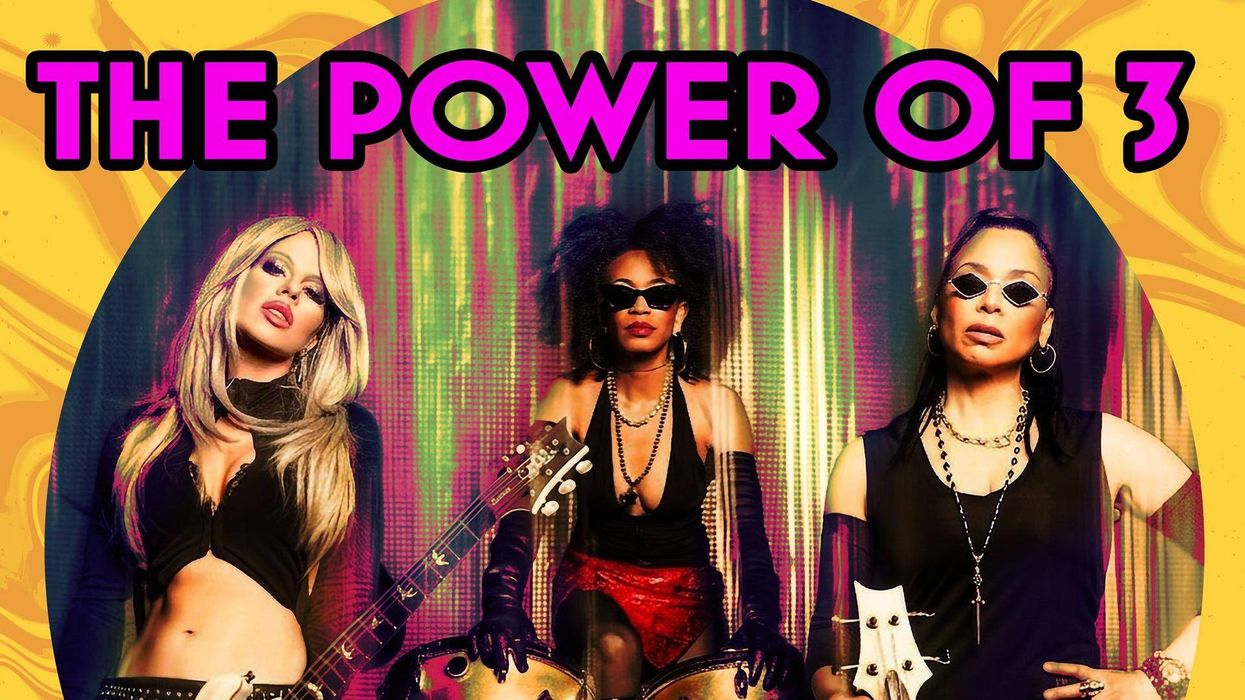
The Power of 3, the powerhouse new trio featuring acclaimed singer-guitarist Orianthi, drummer Cindy Blackman Santana, and bassist Rhonda Smith, announce their self-titled debut album today along with the release of their debut double single, “War In The Streets” b/w “Treat Me Like A Lady,” available now on all streaming platforms. The album is due out December 11th via She2Music, was produced by legendary producer Eddie Kramer (Jimi Hendrix, David Bowie, KISS, The Rolling Stones), and features a special guest appearance from Carlos Santana. Recorded entirely in analog, the album captures the raw chemistry of three world-class musicians whose collective careers have included collaborations with Michael Jackson, Prince, Jeff Beck, Alice Cooper, Beyoncé, Lenny Kravitz, Santana, and Pharoah Sanders.

Lead single “War In the Streets” is one of The Power of 3's defining statements. It’s a rousing rallying cry for unity in a time of unrest and division. Driven by a churning rock groove and a searing Orianthi guitar solo, the track reflects the chaos of the current moment while calling for people to come together. The chorus was penned by Mark Davis, owner of the Las Vegas Raiders and a longtime supporter of the band, and The Power of 3 wrote the verses and music before the song took shape in the studio with Kramer.
The double single also features “Treat Me Like A Lady,” a groove-heavy, feel-good track propelled by Rhonda Smith's bouncing Motown-inspired bass line. Sensual, playful, and empowering, the song showcases the band's soulful side while maintaining the confidence and firepower of three musicians at the top of their game.
The roots of The Power of 3 stretch back several years, when Raiders owner Mark Davis encouraged Orianthi to assemble a Band of Gypsys-inspired power trio. Orianthi turned to Cindy Blackman Santana, renowned for her work with Carlos Santana, Lenny Kravitz, and Pharoah Sanders, and together they recruited Rhonda Smith, whose legendary career includes performances with Prince, Jeff Beck, Beyoncé, and who currently plays with The Cletones, the house band for Jimmy Kimmel Live!
The trio has already performed twice at Allegiant Stadium in Las Vegas, most recently before the Raiders-Cowboys game last November, and is now preparing to bring the project to audiences around the world.
“I know people all over the world want to see us,” said Orianthi. “And we can't wait. It'll be so much fun to get out there. Playing together with Cindy and Rhonda, this is like a powerhouse. It's not just me... this is a real band.”
The Power of 3 is out December 11th; preorder/presave HERE.
“If you’re prepared to take a chance, so am I”: how working with David Bowie helped lure Robert Fripp out of an early retirement

When King Crimson first disbanded in 1974, it seemed like Robert Fripp was ready to settle down in the Sherbourne countryside and withdraw from the limelight. However, David Bowie’s request for Fripp to feature on 1977’s Heroes put a halt to his temporary retirement – because, when Ziggy Stardust comes a-knocking, you can hardly turn him down.
While Fripp’s feedback-heavy, multi-layered guitar performance on Heroes is now iconic, Fripp thought that Bowie “took a chance” when he first enlisted him to feature on the track. “I didn’t view myself as a working player at that time, having just been in retreat for 10 months with no intention of going back to anything like that,” he admits in a new interview with Guitar World.
Although the King Crimson frontman wasn’t too optimistic, Bowie was adamant that he wanted Fripp. “When David asked me to provide guitar, I just said, ‘Well, I don’t know… but if you’re prepared to take a chance, so am I,’” the guitarist recalls.
The recording session saw Fripp flying out to Berlin’s Hansa Studios with his Les Paul, no amplifier, and a small selection of pedals (a volume pedal, a wah and a fuzz box). Despite his stripped back arsenal, Fripp still impressed Bowie and his producer, Tony Visconti; in a January interview with Guitar Player, Visconti recalled Fripp’s innovative ability to utilise studio monitor feedback as an instrument in and of itself.
That’s right – the EBow-like effect on Heroes is Fripp utilising monitor feedback. “Fripp had a technique in those days where he measured the distance between the guitar and the speaker where each note would feed back,” the producer explained. “For instance, an A would feed back maybe at about four feet from the speaker… He had a strip that they would place on the floor, and when he was playing the note F sharp he would stand on the strip’s F sharp point. and F sharp would feed back…”
Needless to say, Fripp nailed the job. Bowie loved his work so much that he even tried to bag Fripp as his full-time live guitarist – but Fripp kindly turned him down. He had ran away to a country home to escape touring, and even Bowie couldn’t tempt him to return to the stage just yet: “I just said, ‘No… I’ve just come off the road after six years of touring!’”
Despite his rejection, Bowie was keen to work with him again, asking Fripp to perform lead guitar parts across his 1980 record, Scary Monsters (and Super Creeps). On their second collaboration, Bowie knew he could ask anything of the talented Fripp – even if that meant asking him to embody the energy of another player.
“I remember I asked David, ‘Any suggestions?’ because there’s any number of ways you can go,” Fripp recalls in conversation with Guitar World. “He said, ‘Think Ritchie Blackmore’. I didn’t expect that, but I understood what he meant.”
Rather than outright copying Blackmore’s tone, Fripp captured the same aura and swagger of the Deep Purple legend. “Did I sound like Ritchie Blackmore? No,” he admits. “But I’d seen Ritchie in the Outlaws in Poole when I was 17, and his playing was phenomenal! He had all the moves. So I’d seen Ritchie, I’d heard Ritchie, and I wasn’t going to play like Ritchie would… but I knew what David meant!”
The post “If you’re prepared to take a chance, so am I”: how working with David Bowie helped lure Robert Fripp out of an early retirement appeared first on Guitar.com | All Things Guitar.
Alex Lifeson on the self-doubt that crept in before Rush’s reunion tour: “There were times I was sitting on the edge of my bed at two o’clock in the morning thinking, ‘Can I do this?’”

After more than a decade away from the stage, even Alex Lifeson wasn’t sure he was ready to step back into Rush. The guitarist says the pressure of preparing for the band’s Fifty Something reunion tour became so intense that, at times, he found himself questioning whether he had made the right decision.
In a recent interview with Rolling Stone, Lifeson opens up about the nerves and “self-doubt” that crept in during the final weeks of the band’s 14-month rehearsal period.
“14 months of rehearsal, it was difficult,” says Lifeson. “In the last month of rehearsals, there were times I was sitting on the edge of my bed at two o’clock in the morning thinking, ‘Did I make the right decision? Can I do this? Can I play? Am I good enough?’”
As Lifeson explains, getting back to Rush wasn’t just about relearning the songs. After so long away from the stage, there was the physical challenge of playing a full show again, along with the pressure of meeting the standard he had set throughout his career.
Geddy Lee felt much the same pressure. The singer and bassist says the band’s return demanded more preparation than anything he had done before, with the full show being rehearsed 24 times in 27 days during the final month and a half.
“In my history as a musician, I don’t think I’ve ever rehearsed quite as much as an individual, and also as a band,” Lee says. “Of course, we needed to, because it was a monumental task.”
“Coming back at this age, your fear is that you can’t do it anymore, and you’re going to be a compromised version of yourself. And I don’t want that,” Lee continues.
Thankfully for Lifeson, those nerves finally gave way once the band actually stepped onstage.
“It wasn’t really until Sunday, when we played that gig, that it all kind of came down this funnel and spilled out,” he says. “It was at that moment that I thought, ‘Yeah, this has all been worth it. This is where I really am happy to be.’ I’m tired this week. But I’m really, seriously happy.”
Watch the full interview below.
The post Alex Lifeson on the self-doubt that crept in before Rush’s reunion tour: “There were times I was sitting on the edge of my bed at two o’clock in the morning thinking, ‘Can I do this?’” appeared first on Guitar.com | All Things Guitar.
Jeff ‘Skunk’ Baxter recalls the time Dolly Parton asked for “fireworks” on a guitar solo: “She said, ‘Can you just make it, like, reds and greens and sparkles?’”

With decades of session work under his belt, Jeff “Skunk” Baxter is no stranger to unusual requests in the studio. The guitarist, best known for his work with Steely Dan and the Doobie Brothers, recently recalled one particularly colourful brief from country legend Dolly Parton, who passed away last week at the age of 80.
Speaking to Guitar Player, Baxter looks back on the session for Parton’s 1978 song Baby, I’m Burnin’, where she asked him for “fireworks” on a guitar solo.
“Dolly Parton asked me to make fireworks one time,” he says. “I was working with my Roland guitar synthesizer, and she said, ‘Can you just make it, like, reds and greens and sparkles?’”
“So I thought about it for a second, and then with one hand I played as many notes as I could while the other hand was working the Roland’s [pitch] transposer, slapping it back up and down,” Baxter recalls. “She was going, ‘Yeah, yeah, that’s it. Whee!’”
As unusual as the request might sound, Baxter says this is simply part of being a session player. Artists don’t always explain what they want in technical terms, so it’s often up to him to work out what an abstract or non-musical description actually means in guitar terms – and turn it into something that works on the record.
“Sometimes you get requests like, ‘Can you make it more green?’ or, ‘I need it to ooomph more,’” he says. “So you say, ‘Okay,’ and think about all the times you’ve ever done sessions and people have said to you, ‘Boy, that really ooomphs,’ or ‘That sounds really green,’ and you start from there.”
“There have been a couple of dates like that. I enjoy it,” Baxter continues. “I get a lot of calls for steel guitar where they say, ‘Can you make it not sound like a steel guitar?’ That’s always a request. They want something different. They want a sound that has the fluidity of the steel guitar but doesn’t sound like Six Days on the Road.”
The post Jeff ‘Skunk’ Baxter recalls the time Dolly Parton asked for “fireworks” on a guitar solo: “She said, ‘Can you just make it, like, reds and greens and sparkles?’” appeared first on Guitar.com | All Things Guitar.
Pages
